Are custom window treatments worth it?
Often, for the right windows. Custom fits odd sizes, covers gaps and can add insulation: the Department of Energy says window attachments can save 15% of annual HVAC energy use compared with vinyl blinds. Stock products are fine for standard windows. Custom blinds must now meet federal cord-safety rules, so ask for a cord-safe design in writing.
Free to ask. Local shops send quotes, and you pay only when you book one.
By Kasra Taheri, Founder, LoclisPublished
Researched and drafted with AI, then checked claim by claim against the sources listed below before it was published. Prices and rules change; the dates beside each source say when it was last checked.
Step by step
Read when to stop and call a pro, further down this page, before you start.
Step 1: Sort your windows
Note which windows are standard sizes and which are unusual, very wide or in rooms where privacy and light matter most.
Step 2: Decide what the treatment must do
Choose between privacy, light control, glare and insulation, since the energy benefit is largest from insulating shades.[1]
Step 3: Price stock for standard windows
Compare ready-made options for windows that fit standard sizes, since stock products are fully or substantially made before sale.[3]
Step 4: Reserve custom for the hard windows
Spend on made-to-measure shades where size, shape or insulation make stock a poor fit.
Step 5: Require cord-safe operation
Specify cordless or otherwise cord-safe operation in the order, which custom products must now provide.[3]
Step 6: Get itemized written quotes
Ask for per-window pricing, measuring and installation shown separately, and the remake policy if a blind is the wrong size.
Custom window treatments are worth it for windows that stock products fit badly, for rooms where light and privacy matter, and when you want real insulation. They are not worth it for a standard window that only needs a basic cover. The honest test is what you need the window to do and whether a ready-made product will do it.
Where custom earns its price
Odd sizes and big windows. A stock window covering is one that is completely or substantially fabricated before it is distributed in commerce.[3] That works for common sizes. Wide, tall, arched or deep-set windows are where a made-to-measure product fits cleanly instead of leaving gaps.
Energy. The Department of Energy says windows are often a weak point in a home's energy efficiency,[1] and that cellular shade coverings achieve higher energy savings than all other types of shading devices.[1] It adds that installing window attachments can save 15% of a household's annual HVAC (heating, ventilating, and air cooling) energy use compared to vinyl blinds.[1] In a controlled test home, cellular shades saved up to 20% on heating energy and up to 15% on total energy from heating and cooling compared to scenario without any shades.[1]
Those savings are conditional. Federal laboratory testing found that the savings decrease considerably if the larger view windows of a home remain uncovered during the day.[2] A premium shade only helps when it is used. To compare products, look for the AERC energy improvement label on certified products.[1]
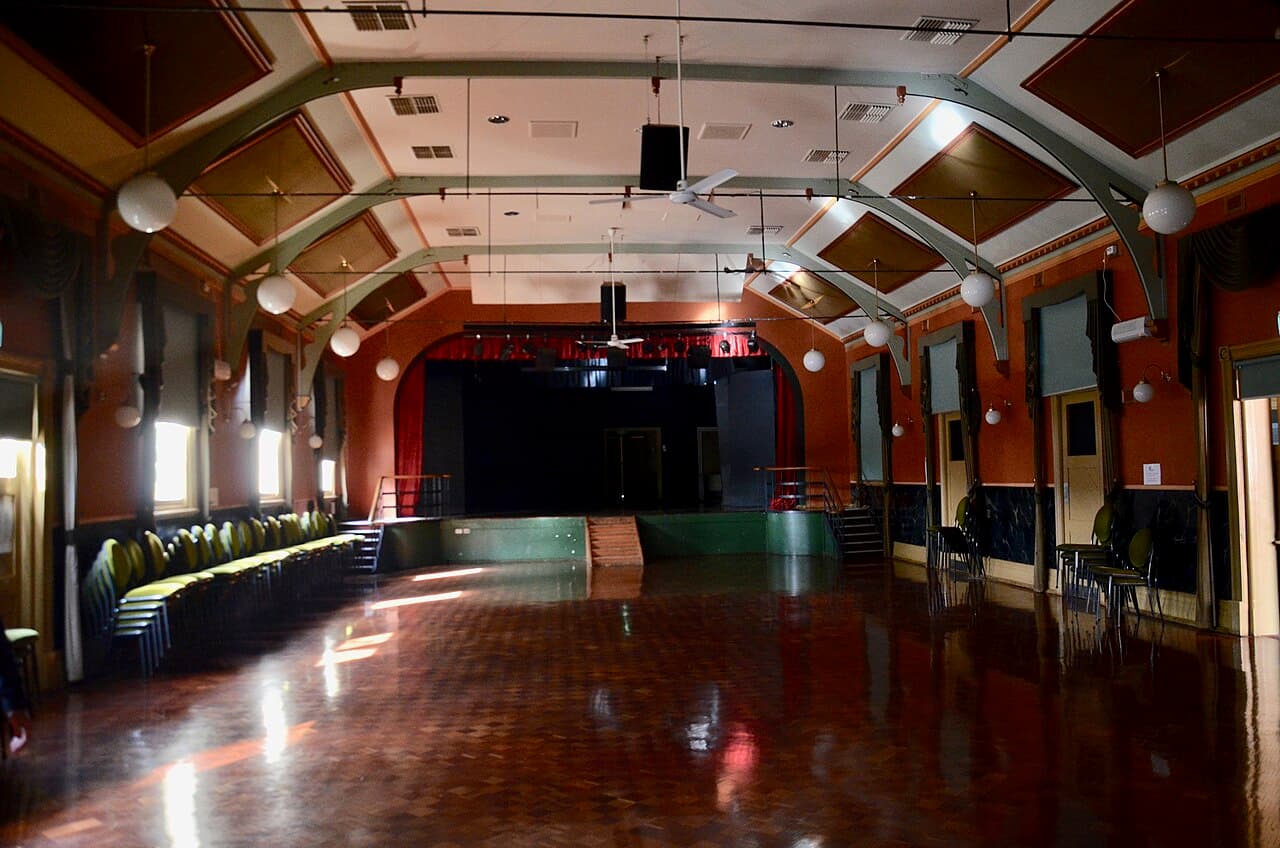
Privacy and light control. Custom lets you choose exactly how much light comes through, the stack height and whether the blind clears a window handle or crank. For bedrooms, nurseries and media rooms, that precision is often the main reason to spend more.
Where stock is enough
Standard-size windows in rooms where you only need basic privacy or to block glare rarely need custom. Rentals, rooms you plan to redecorate soon and hallways are other cases where ready-made is the practical choice. Spend the difference on the windows that matter.
Safety is not optional
The federal rule is blunt about the hazard: operating cords on custom window coverings present an unreasonable risk of strangulation, including death and serious injury, to children 8 years old and younger.[3] The Consumer Product Safety Commission's database held 209 reported fatal and nonfatal strangulations on window coverings among children eight years and younger, from January 2009 through December 2021.[3]
Custom products must now meet the same cord rules as stock ones. Put the operating system in writing on any order, and choose cordless where children live or visit.
How to decide
Sort your windows, decide what each needs to do, price stock where it fits, and reserve custom for the hard windows. Ask each seller for itemized quotes, with measuring and installation separate, and the policy if a blind arrives the wrong size. Our guides to what custom blinds cost in Virginia and how to measure your windows will help you compare quotes and avoid ordering errors.
Stop and call a pro if
- The window is arched, angled or very large. Ask for a professional measure so a mistake does not mean a remake.
- The blinds are motorized. Any wiring is for a licensed electrician.
- Installation means drilling into masonry, cutting trim or working from a tall ladder. Hire an installer.
- A seller will not put the cord-safety design in writing. Choose a different seller.
Getting help in Virginia
Browse more interiors answers or see interiors services. When you are ready, describe your windows and local businesses can send written quotes.
Common questions
- Do insulating shades really cut energy bills?
- They can. The Department of Energy says window attachments can save 15% of a household's annual HVAC energy use compared to vinyl blinds, and its test of cellular shades found up to 20% on heating energy. Results depend on the home and on keeping the shades closed when it matters.
- Is stock good enough for standard windows?
- Often, yes. If the window is a common size and you only need privacy or light control, a ready-made blind can do the job. Custom earns its price on odd sizes, big windows, special materials or when you want better insulation.
- Are custom blinds safe around children?
- Only if the operating system is. The federal regulator says accessible cords on custom coverings present an unreasonable strangulation risk to children 8 and younger, and custom products must now meet the cord requirements. Choose cordless.
- What is the AERC label?
- The Attachments Energy Rating Council rates the energy performance of window attachments. The Department of Energy points shoppers to the AERC energy improvement label on certified products.
Sources
- [1] Interior Cellular Shades Boost Home Energy Performance (DOE/EE-2519), U.S. Department of Energy, Building Technologies Office. Checked October 27, 2026.
- [2] Testing the Performance and Dynamic Control of Energy-Efficient Cellular Shades in the PNNL Lab Homes (PNNL-27663 Rev.1), Pacific Northwest National Laboratory for the U.S. Department of Energy. Checked October 27, 2026.
- [3] 16 CFR Part 1260, Safety Standard for Operating Cords on Custom Window Coverings, U.S. Consumer Product Safety Commission, Code of Federal Regulations. Checked October 27, 2026.
Want a pro to handle it?
Describe the job once. Licensed local businesses send quotes, and you pay only when you book one.
Get a quote from a local pro