Do you need a permit to replace a water heater in Virginia?
For a gas or oil water heater, yes: Virginia's building code only waives permits for replacing appliances that are not fueled by gas or oil, so a gas swap needs one even like for like. An electric replacement in a house may be exempt, but your local building official decides, so call them first and have the licensed plumber pull the permit.
By Kasra Taheri, Founder, LoclisPublished
Researched and drafted with AI, then checked claim by claim against the sources listed below before it was published. Prices and rules change; the dates beside each source say when it was last checked.
The short version
Virginia has one building code for the whole state, the Uniform Statewide Building Code, and every city and county building department enforces it. Under it, a permit is needed before work starts on any equipment the code regulates, and on the water supply and distribution system.[1] A water heater is both.
The code then lists work that needs no permit. For a water heater, the entry that matters is replacing mechanical appliances that are not fueled by gas or oil, in single-family homes and similar dwellings.[1] That is why the answer splits by fuel.
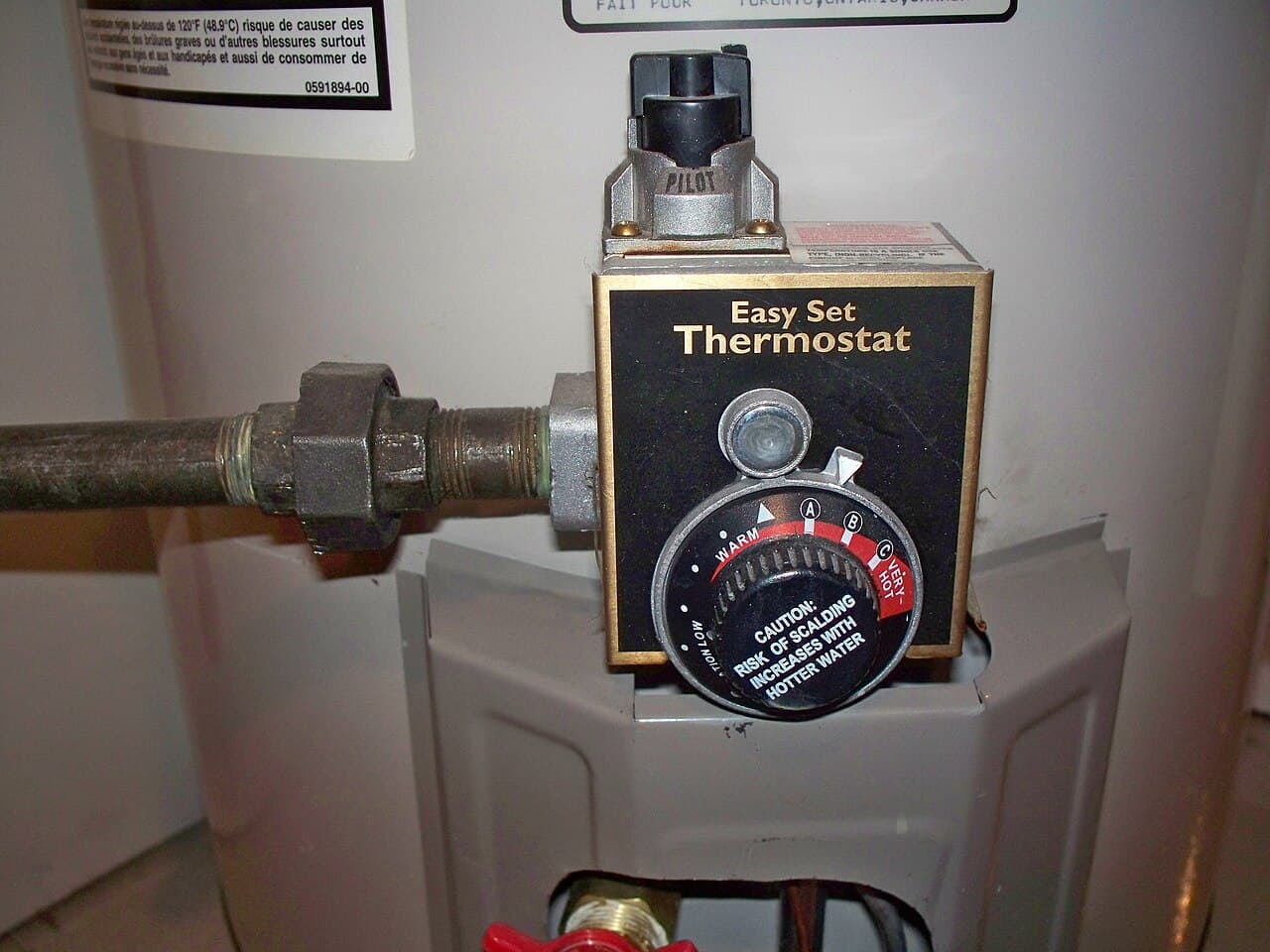
Gas or oil: get the permit
A gas or oil-fired water heater is outside that exemption, so replacing one needs a permit. Fairfax County puts it plainly: any gas appliance installation or replacement, including a water heater, needs a permit even when it is like for like.[2] If the job adds new gas piping, Fairfax asks for a residential plumbing permit instead of an appliance permit.[2] Other counties name their permits differently, but the rule underneath is the same statewide code.
Electric: ask your building department
An electric tank in a house may fall inside the exemption, and two other entries can also apply: replacing plumbing fixtures without altering the water supply, drainage or vent systems, and other repair work the building official deems minor and ordinary.[1] Whether your swap counts is the local building official's call, and localities differ. Moving the heater, changing its size or type, going tankless, or adding a heat pump unit can change the answer, so describe the job exactly when you call.
Two things make the call easy:
- If you ask for a permit for exempt work, the building official has to issue one and inspect it.[1] An inspection is cheap insurance on an appliance that holds hot water under pressure.
- When a water heater fails and has to be replaced at once, the code lets the permit application follow by the end of the first working day after the work starts.[1] You do not have to go without hot water while you wait.
Let the plumber pull it
Virginia's Board for Contractors says the contractor should apply for and get any building permits the job needs, and to put that in the contract.[3] Be wary of anyone who suggests you pull the permit yourself: whoever holds the permit takes on responsibility for the job as its general contractor.[3]
Before you hire, check the plumber's licence on DPOR's record, and make sure its specialty covers plumbing.
Find a plumber who will handle it
Loclis lists licensed businesses from Virginia's DPOR register. Browse plumbing repair, look up plumbers in Christiansburg or another town, or describe the job and local plumbers quote it. Ask each one whether the quote includes the permit and the inspection.
Common questions
- Is a permit needed for a like-for-like gas water heater in Virginia?
- Yes. The statewide code only exempts replacing appliances that are not fueled by gas or oil, so a gas water heater needs a permit even when the new one matches the old. Fairfax County, for example, says so in as many words.
- Do I need a permit for an electric water heater replacement?
- It depends on your locality. The code exempts replacing mechanical appliances that are not gas or oil fired in single-family homes, and leaves minor and ordinary repairs to the building official's judgment. Call your city or county building department before the work starts.
- My water heater failed. Can it be replaced before the permit is issued?
- For an emergency replacement, Virginia's building code lets the permit application be filed by the end of the first working day after the work starts, so you are not left without hot water while you wait.
- Who should pull the permit, me or the plumber?
- The contractor. Virginia's Board for Contractors advises that the contractor apply for every permit, because whoever holds the permit takes responsibility for the job.
Sources
- [1] 13VAC5-63-80, Virginia Uniform Statewide Building Code, Section 108 Application for permit, Virginia Administrative Code, Legislative Information System. Checked October 14, 2026.
- [2] Household Appliance (HAPL) permit, Residential, Fairfax County Land Development Services. Checked October 14, 2026.
- [3] What You Should Know Before You Hire a Contractor, Virginia Board for Contractors, DPOR. Checked October 14, 2026.