What is Virginia's Contractor Transaction Recovery Fund, and who can claim from it?
It is a state fund, paid for by licensed contractors, that covers part of a court judgment a homeowner cannot collect from a contractor who was licensed at the time. The judgment has to rest on improper or dishonest conduct on work on your Virginia home, not a mere breach of contract, and one claim is capped at $30,000.
By Kasra Taheri, Founder, LoclisPublished
Researched and drafted with AI, then checked claim by claim against the sources listed below before it was published. Prices and rules change; the dates beside each source say when it was last checked.
What the fund is
The Virginia Contractor Transaction Recovery Fund pays Virginia homeowners part of what a licensed residential contractor owes them under a court judgment, when the contractor cannot or will not pay it. It is run by the Board for Contractors at DPOR, the Department of Professional and Occupational Regulation. The fund is supported entirely by assessments paid by licensed contractors, not by tax revenues.[1] It is a last resort: assistance comes only after all other civil legal remedies are exhausted, and DPOR says filing a claim is no promise of payment.[1]
Who can claim
Two kinds of claimant qualify: an individual whose contract with the contractor was for their own residence in Virginia, or a property owners' association whose contract was for improvements to the common areas it owns.[3] State law shuts out an employee or vendor of the contractor, another licensee, the contractor's spouse or child, a financial or lending institution, or anyone whose business is building or developing real property.[3]
The contractor matters too. The contractor has to have been licensed by the Board for Contractors during the period when the conduct happened.[3] A contractor holding only the commercial building contractor classification is outside the fund.[2] So the fund cannot help with an unlicensed contractor, which is one more reason to check the licence before anyone starts.
What counts as "improper or dishonest conduct"
The judgment has to rest on conduct the statute defines narrowly: the wrongful taking or conversion of money, property or other things of value which involves fraud, material misrepresentation or conduct constituting gross negligence, continued incompetence, or intentional violation of the Uniform Statewide Building Code.[2] It does not include mere breach of contract.[2] DPOR adds that disciplinary action against the contractor does not, by itself, meet the requirements for a claim.[1]
The judgment does not have to use the words "improper or dishonest conduct". Instead, the Board uses any language in the order that supports that finding, and if the order is silent it may decide the question from the evidence in your claim.[5]
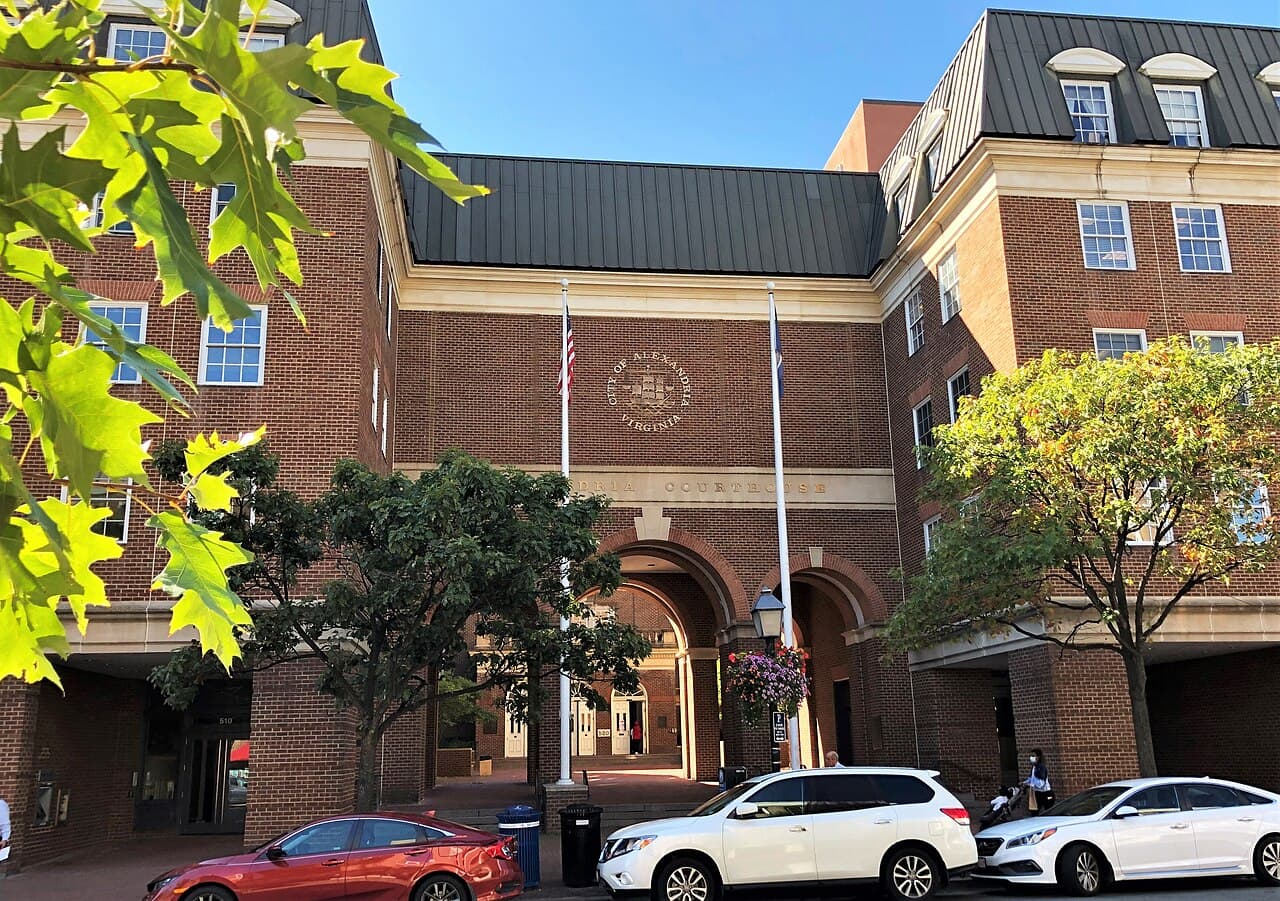
The steps, in order
- Get a judgment. The fund pays on a judgment from a Virginia court. A judgment that confirms an arbitration award can also qualify.[3] Note that anyone who sues a licensed contractor in a Virginia court has to serve a copy of the complaint on the Board by certified mail or the equivalent, and send the Board copies of later pleadings and documents as they are received.[3]
- Try to collect. Before claiming, you must conduct, or make a reasonable attempt to conduct, debtor's interrogatories to find out whether the contractor has assets, and take every legally available step to sell or apply any assets they reveal.[3]
- Use the bond or bankruptcy court first, if either applies. A claimant whose judgment is against a bonded contractor must seek recovery through the bond,[1] and the suit on the surety bond has to be brought within 12 months after the judgment becomes final.[4] If the contractor has filed for bankruptcy, you file with the bankruptcy court first; the claim has to reach the Board within 12 months of the bankruptcy discharge or dismissal.[3]
- File the claim. File the claim with DPOR no later than 12 months after the final judgment from which there is no further right of appeal.[3] The claim form has to be attested before a notary public.[2] With it, send the contract and all written change orders, or an affidavit of the terms if there is no written contract; the pleadings and court orders, including the final judgment order; the transcript of the debtor's interrogatories or an affidavit that they were conducted or attempted; and a statement of how much of the judgment is still unpaid.[5]
How much it pays
One claimant's claim for a single transaction is limited to $30,000, and that includes any amount paid from the contractor's surety bond.[6] All claims involving one contractor are limited to $100,000 in a biennium; if they add up to more, the $100,000 is prorated among the claimants.[6] The fund does not pay interest, punitive damages or anything that is not an actual monetary loss, but it can include court costs and attorney fees.[6] If the fund ever runs short, claims are paid in the order they were filed.[6]
What happens after you file
DPOR staff review the claim for eligibility, and the full Board for Contractors decides whether to approve it, and for how much, at a regularly scheduled meeting.[1] The Board meets approximately every other month to review Recovery Fund claims.[1] If the actual loss or eligibility is in question, the claim may go to an Informal Fact-Finding Conference with a Board member presiding.[1] The Board's findings are a case decision that can be taken to court for judicial review.[5] Before you are paid, you assign the Board your rights against the contractor, to the extent the fund pays you.[7]
DPOR says a lawyer is not necessary to file a claim, though some claimants use one.[1] Whether to sue in the first place is a question for a lawyer. The Recovery Fund Office is at 9960 Mayland Drive, Suite 400, Richmond, VA 23233, on (804) 367-1559 and at RecoveryFund@dpor.virginia.gov.[1] If you have not yet reported the contractor, see how to file a complaint against a contractor in Virginia.
Hiring the next one
Every business in the Loclis directory is listed from DPOR's register with its licence number, class and the date the record was read, so you can check it before anyone starts work. How Loclis checks businesses explains what "verified" means here. To finish the job, browse remodeling or describe the job and licensed local businesses quote it.
Common questions
- How much can I get from the Virginia Contractor Recovery Fund?
- Up to $30,000 for one claimant on a single transaction, counting anything already paid from the contractor's surety bond. All claims against one contractor share a $100,000 limit per biennium, and the fund does not pay interest or punitive damages, though it can include court costs and attorney fees.
- Can I claim from the Recovery Fund without going to court?
- No. The fund pays on an unpaid judgment from a Virginia court, or a judgment confirming an arbitration award. A complaint to the Board for Contractors or disciplinary action against the contractor does not, by itself, meet the requirements for a claim.
- Does the Recovery Fund cover an unlicensed contractor?
- No. The contractor has to have been licensed by the Board for Contractors when the conduct happened, and a contractor holding only the commercial building classification is excluded.
- How long do I have to file a Recovery Fund claim?
- 12 months after the final judgment from which there is no further right of appeal. If the contractor went bankrupt, the claim has to reach the Board within 12 months of the bankruptcy discharge or dismissal.
Sources
- [1] Contractor Transaction Recovery Fund, Virginia Department of Professional and Occupational Regulation (DPOR). Checked October 16, 2026.
- [2] § 54.1-1118, Definitions, Code of Virginia, Legislative Information System. Checked October 16, 2026.
- [3] § 54.1-1120, Recovery from Fund generally, Code of Virginia, Legislative Information System. Checked October 16, 2026.
- [4] § 54.1-1120.1, Recovery on bond, Code of Virginia, Legislative Information System. Checked October 16, 2026.
- [5] § 54.1-1122, Consideration of applications for payment, Code of Virginia, Legislative Information System. Checked October 16, 2026.
- [6] § 54.1-1123, Limitations upon recovery from Fund, Code of Virginia, Legislative Information System. Checked October 16, 2026.
- [7] § 54.1-1125, Assignment of claimant's rights to Board; payment of claim, Code of Virginia, Legislative Information System. Checked October 16, 2026.