Why isn't my house selling even after staging?
Staging fixes how a house looks, not what it costs or what is wrong with it. If showings are few, the usual causes are price and online photos. If showings are many but no offers, it is price or a visible flaw. If offers fall through, suspect inspection findings such as radon, moisture or lead paint. Check your showing numbers first, then your listing, then the house.
Free to ask. Local shops send quotes, and you pay only when you book one.
By Kasra Taheri, Founder, LoclisPublished
Researched and drafted with AI, then checked claim by claim against the sources listed below before it was published. Prices and rules change; the dates beside each source say when it was last checked.
Step by step
Read when to stop and call a pro, further down this page, before you start.
Step 1: Count showings and offers
Ask your agent how many people viewed the listing online, how many toured the house and how many made offers. Where the drop happens tells you what to fix.
Step 2: Read your listing as a stranger
Look at the cover photo and first five photos on a phone. If the best room is not first, or photos are dark, ask your agent to reshoot them once the house is staged.
Step 3: Compare prices honestly
Ask your agent for recently sold and currently pending homes near yours, and compare your asking price with what actually closed, not with other asking prices.
Step 4: Collect showing feedback
Ask for written feedback from every showing and look for the same comment appearing three times.
Step 5: Walk the house as a buyer
Open every closet and cabinet, smell each room on entering, and note stains, sticking doors, dripping faucets or damp spots.
Step 6: Check for moisture
Look under sinks, around windows and in the basement for dampness, and fix leaks and dry wet materials quickly.[4]
Step 7: Test for radon
Have the house tested, and if the result is 4 pCi/L or higher, get it fixed.[2]
Step 8: Reread your disclosure
With your agent, check that the property disclosure statement is complete and matches the house.[1]
Step 9: Change one thing at a time
Adjust price, photos or repairs, then give the change a full week of showings before changing the next.
Staging changes how a house looks. It does not change the price, the neighborhood or what an inspector will find. When a staged house sits, the cause is usually one of three things: the price, the listing photos, or a flaw buyers can see or an inspection turns up. Find out which before spending another dollar.
Start with where buyers drop off
Your agent can pull the numbers: online views, showings and offers. Each pattern points somewhere different.
- Few online views. The price or the photos are failing at search. Buyers filter by price, then scroll photos; if yours do not earn a click, nobody comes through the door.
- Views but few showings. Photos or the description do not match the price. Dark photos, a weak cover image or a bedroom shown before the kitchen all cost showings.
- Many showings, no offers. Buyers see the house and decide it is not worth the asking price. That is a price or a condition problem, and staging has already done what it can.
- Offers that fall through. The contract stage found something: a home inspection, a radon result, a lead paint question or a financing issue.
Price against what actually sold
Asking prices are hopes; sold prices are facts. Ask your agent for homes that closed near you in the last few months, and for the ones now pending, then compare with your own. If you are above them, no amount of staging closes the gap. A price change is the most direct fix, and you can ask for a written pricing rationale with sold comparables.
Reshoot and rewrite the listing
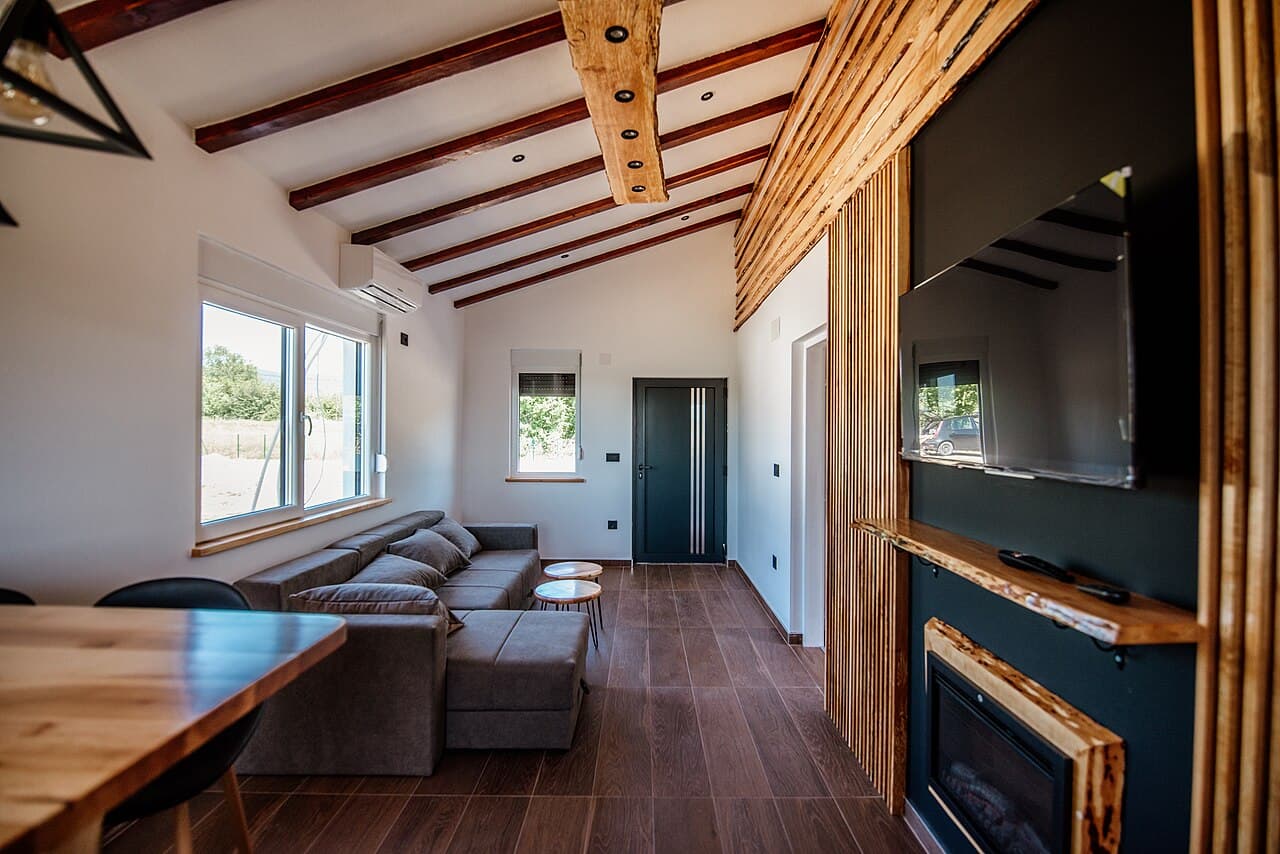
If you staged after the first photos were taken, the listing may still show the cluttered version. Ask for new photos with every light on and the blinds open, lead with the best room, and keep the description to what buyers can verify. Look at the listing on a phone, since that is where most buyers first see it.
Walk the house like a buyer
Open every closet and cabinet. Smell each room as you enter it. Look for stains on ceilings, soft spots, sticking doors and dripping faucets. Staging hides clutter, but it does not hide a stain or a smell, and a buyer who spots one will wonder what else is wrong.
Moisture deserves extra attention. EPA's guidance is that if wet or damp materials or areas are dried 24-48 hours after a leak or spill happens, in most cases mold will not grow.[4] It also notes that condensation can be a sign of high humidity.[4] A damp basement or a musty bathroom is a common reason buyers walk away.
Problems that surface at inspection
Virginia's residential property disclosure statement tells buyers that purchasers are advised to exercise whatever due diligence a particular purchaser deems necessary, including obtaining a home inspection.[1] Assume yours will be inspected, and look at what an inspector is likely to find first.
Radon. EPA recommends that you test your home before putting it on the market and, if necessary, lower your radon levels.[2] Its threshold is blunt: fix the home if the radon level is 4 picocuries per liter (pCi/L) or higher.[2] Its advice to sellers is to save the test results and all information you have about steps that were taken to fix any problems, which could be a positive selling point.[2]
Lead paint. For most pre-1978 homes, federal rules require you to disclose known lead-based paint information and give buyers a 10-day period to conduct a paint inspection or risk assessment for lead-based paint or lead-based paint hazards.[3] EPA says deteriorating (peeling, chipping, chalking, cracking, or damaged) lead-based paint is a hazard and needs prompt attention.[3] Leave the paint alone and hire a qualified lead-safe contractor to deal with it.
The disclosure itself. In Virginia, the owner of the residential real property shall furnish to a purchaser a residential property disclosure statement.[1] Go through it with your agent so it matches the house as it stands.
Change one thing at a time
Pick the likeliest cause, change it, and give it a full week of showings. If you change price, photos and repairs at once, you will not learn which one worked.
Stop and call a pro if
- You find active moisture, mold-like staining or a musty smell you cannot trace. Have a licensed contractor or plumber find the source before you paint over it.
- A radon test comes back at 4 pCi/L or higher. EPA recommends fixing the home;[2] ask a certified radon professional for a written quote.
- The house was built before 1978 and paint is peeling or chipping. EPA says it needs prompt attention, so bring in a qualified lead-safe contractor rather than scraping it yourself.[3]
- A buyer's inspector flags structure, roof, electrical or plumbing. Those need a licensed trade, not a touch-up.
Next steps in Virginia
For the basics of a staging pass, see how to stage a house to sell. If you want a second set of eyes on a room that still falls flat, browse interiors answers or look at interiors help.
When you are ready, describe the room or project once and local pros quote it.
Common questions
- How long should a staged house take to sell?
- It depends on price, season and your neighborhood, so there is no single number worth trusting. A better test is whether the trend is moving: ask your agent for showing counts each week and for how your listing compares with recent sales nearby.
- Should I lower the price or restage?
- Look at where buyers drop off. If few people tour, price or photos are the problem and restaging will not help. If many tour but nobody offers, they are reacting to the price against the condition, so a price change or a visible repair is the better lever.
- Could a hidden problem be scaring buyers off?
- Yes, especially after an inspection. Buyers in Virginia are advised to do their own due diligence, including a home inspection, and common deal-killers are moisture, radon and deteriorating lead paint. Finding these first lets you fix or disclose them on your terms.
- Do I need a radon test before selling?
- EPA recommends it. It advises testing before you list and, if necessary, lowering the level, and says saved test results and records of any fix could be a positive selling point.
- Is it worth redoing the staging?
- Only if the staging is the problem. Fresh photos, a clean-up of clutter that crept back and a neutral fix for one odd room are worth doing. A complete redo rarely beats a correct price.
Sources
- [1] Va. Code § 55.1-703, Required disclosures for buyer to beware; buyer to exercise necessary due diligence, Code of Virginia, Virginia General Assembly. Checked October 27, 2026.
- [2] Home Buyer's and Seller's Guide to Radon (EPA 402/K-24/001), U.S. Environmental Protection Agency. Checked October 27, 2026.
- [3] Real Estate Disclosures about Potential Lead Hazards, U.S. Environmental Protection Agency. Checked October 27, 2026.
- [4] A Brief Guide to Mold, Moisture and Your Home, U.S. Environmental Protection Agency. Checked October 27, 2026.
Want a pro to handle it?
Describe the job once. Licensed local businesses send quotes, and you pay only when you book one.
Get a quote from a local pro