Can I run TV cables inside the wall, or do I need an electrician?
Low-voltage cables such as HDMI and coax can go inside a wall without an electrician, and Virginia's building code exempts wiring under 50 volts from a permit unless it passes through fire-rated or smoke-protected construction or a plenum. Power is different: an outlet behind the TV is electrical work for a licensed electrician.
Free to ask. Local shops send quotes, and you pay only when you book one.
By Kasra Taheri, Founder, LoclisPublished
Researched and drafted with AI, then checked claim by claim against the sources listed below before it was published. Prices and rules change; the dates beside each source say when it was last checked.
Step by step
Read when to stop and call a pro, further down this page, before you start.
Step 1: Separate cables from power
Decide which cables are low voltage (HDMI, coax, network, speaker wire) and which is the TV's power cord. Only the low-voltage cables go in the wall; the power cord stays on an existing outlet.
Step 2: Check whether the wall is fire rated
Do not run cable through fire-rated or smoke-protected construction, or in a plenum, on your own.[1] Ask your local building department if you are unsure whether a wall is fire rated.
Step 3: Keep to one stud bay
Route the cable between an opening behind the TV and an opening lower on the same wall, in the same gap between two studs. Do not cut or drill into studs, plates or blocking.
Step 4: Look for wires first
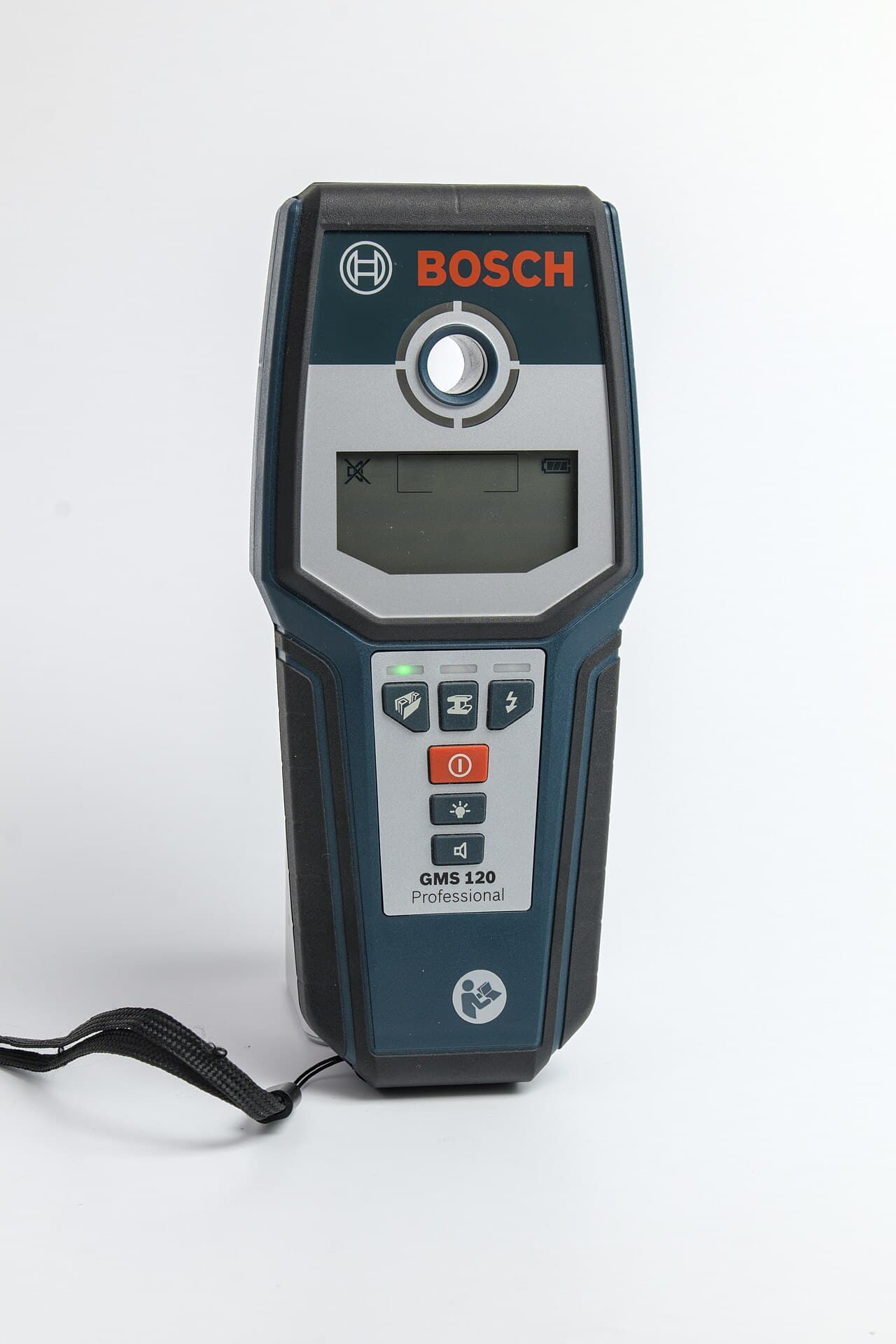
Use a stud finder that detects live AC wiring to check the route, and move the opening if it signals anything, since existing wiring may be live.
Step 5: Use a low-voltage plate
Mount a plate made for low-voltage cable at each opening rather than leaving a bare hole, and choose cable made for in-wall use.
Step 6: Fish the cable through
Pull the cable through the bay with a fish tape or a weighted string, keeping it away from any power wiring you meet.
Step 7: Test before you close up
Connect the devices and check the picture and sound before you finish the plates.
Low-voltage cable, yes; power, no
You can run low-voltage cables inside a wall yourself. You cannot add power to the wall yourself. That is the whole split.
Virginia's building code says an application for a permit is not required for installation of wiring and equipment that operates at less than 50 volts or is for broadband communications systems.[1] HDMI, coax, network and speaker cables fall in that group. A TV's power cord does not: it carries household voltage.
The exceptions that matter
The permit exemption has limits. It applies except when any such installations are located in a plenum, penetrate fire rated or smoke protected construction, or are a component of a fire alarm system or other listed systems.[1] For a TV on an ordinary interior wall that is usually not a problem, but it matters if the wall or ceiling your cable would pass through is fire rated or smoke protected. If you are not sure, ask your local building department before you cut.
The code also says that when an owner or an owner's agent requests that a permit be issued for any of the exempt items, a permit shall be issued and any related inspections shall be required.[1] An exemption is not a ban on permits.
Where an electrician comes in
A new outlet behind the TV is a different job. Installations or alterations involving electric wiring need a permit application.[1] Virginia defines a tradesman as someone who works for the general public for compensation in the trades of electrical, plumbing and heating, ventilation and air conditioning, and no individual may engage in, or offer to engage in, work as a tradesman unless licensed.[3][4]
So: a hidden power outlet, a recessed box, an extension of an existing circuit, or any change to the house's wiring, means a licensed electrician. Hiring one for that part and doing the low-voltage run yourself is a sensible split. Many people leave the power cord visible and run only the picture cable inside the wall.
Hiring someone to run the low-voltage wiring
You can also hire it out. The Board for Contractors defines the electronic and communication specialty as covering television and cable TV wiring, computer cabling, sound systems, antenna wiring and other systems that operate at 50 volts or less, and the same text says the electrical classification also provides for this function.[2]
DPOR says that if the work you are considering is valued at $1,000 or more, a valid Virginia Contractor's License is required.[5] A single wall run is small, but a whole-home install may not be. Ask for the licence number, and check it on DPOR's licence lookup.
Doing the low-voltage run yourself
The steps above give the outline. The main point is to treat the wall as unknown until you have checked it: a stud finder that also detects live wires is cheap, and a hole opened over a hidden cable is not a fix you want to find by accident.
Use cable sold for in-wall use, put a plate at each opening, and keep the TV's power cord out of the wall entirely. Never run through studs, plates or blocking; that is framing work.
Stop and call a pro if
- You want a power outlet, a recessed box or any new wiring behind the TV. That is electric wiring, which needs a permit application and a licensed electrician.[1][3]
- The wall may be fire rated, or the route goes through a ceiling, floor or attic. The exemption excludes installations that penetrate fire rated or smoke protected construction.[1]
- Your detector signals a wire, or you find one in the opening. Stop and close up.
- The only route means cutting a stud, a plate or blocking. That is framing, not cable work.
- The cable would join a fire alarm or other listed system. Leave those to the licensed installer.[1]
Getting help in Virginia
Read how to mount a TV on drywall and how much TV mounting costs in Virginia. Browse more handyman answers or handyman services.
When you are ready, describe your TV mounting and wiring job and local pros will quote it.
Common questions
- Do I need a permit to run HDMI or coax inside a wall?
- Usually not. Virginia's building code says an application for a permit is not required for wiring and equipment that operates at less than 50 volts or is for broadband communications, except in a plenum, through fire-rated or smoke-protected construction, or as part of certain systems such as a fire alarm.
- Who can legally run low-voltage TV wiring for pay in Virginia?
- The Board for Contractors' electronic and communication specialty covers television and cable TV wiring and other systems at 50 volts or less, and the electrical classification also provides for it. If the contract is valued at $1,000 or more, DPOR says a contractor's licence is required.
- Can I put an outlet behind the TV for a hidden power cord?
- No, not as a homeowner project in this guide. A new outlet is electric wiring, which needs a permit application, and in Virginia electrical work for the public is a licensed trade.
- Can I run the TV's power cord inside the wall?
- Do not. Moving where a TV gets its power is electrical work. The safe options are to leave the cord visible, use a surface cover, or have a licensed electrician install a proper outlet.
- What if the inspector or building department says I need a permit anyway?
- Then get one. The code says that when an owner requests a permit for an exempt item, the permit is issued and the related inspections are required. Ask your local building department when you are unsure whether a wall is fire rated.
Sources
- [1] 13VAC5-63-80. Section 108 Application for permit (Virginia Uniform Statewide Building Code), Virginia Administrative Code, Virginia General Assembly. Checked October 27, 2026.
- [2] 18VAC50-22-30, Definitions of specialty services (Board for Contractors Regulations), Virginia Administrative Code, Virginia General Assembly. Checked October 27, 2026.
- [3] Va. Code § 54.1-1128, Definitions (Tradesmen), Code of Virginia, Virginia General Assembly. Checked October 27, 2026.
- [4] Va. Code § 54.1-1129, Tradesman license required, Code of Virginia, Virginia General Assembly. Checked October 27, 2026.
- [5] What You Should Know Before You Hire a Contractor, Virginia Board for Contractors, DPOR. Checked October 27, 2026.
Want a pro to handle it?
Describe the job once. Licensed local businesses send quotes, and you pay only when you book one.
Get a quote from a local pro