How much does construction site cleanup cost in Virginia?
There is no single Virginia price, and no primary source publishes a dated rate for site cleanup. The cost is mostly labor plus hauling and disposal. On October 27, 2026, O*NET listed a $22.66 national median hourly wage for construction laborers, and Fairfax County listed a $98 per ton tipping fee for solid waste. Get itemized written quotes after a site walk.
Free to ask. Local shops send quotes, and you pay only when you book one.
By Kasra Taheri, Founder, LoclisPublished
Researched and drafted with AI, then checked claim by claim against the sources listed below before it was published. Prices and rules change; the dates beside each source say when it was last checked.
Step by step
Read when to stop and call a pro, further down this page, before you start.
Step 1: Define the stage
Decide whether you need rough cleanup of debris during the build, or a final cleanup of dust, floors and surfaces before handover.
Step 2: Measure and photograph the site
Note the square footage, the number of floors, the amount of debris and how easily a truck or dumpster can reach the building.
Step 3: Sort the debris
Separate clean wood, metal, concrete and masonry from mixed waste, because clean material is easier to recycle or reuse on site.[3]
Step 4: Walk the site with each company
Have every company see the site, or send photos, before it prices the job, and describe the tasks you want done.
Step 5: Settle who hauls and who pays disposal
Decide who loads the debris, who hauls it and whether the disposal fee is priced in or billed at the facility's rate.[2]
Step 6: Ask about employees and insurance
Ask whether the crew are the company's employees and whether it carries workers' compensation insurance.[4]
Step 7: Ask how dust is controlled
Ask how the crew will clean up fine dust from cutting and grinding masonry, and confirm they will not dry sweep or blow it off with compressed air.[5]
Step 8: Compare itemized written quotes
Ask for a quote that shows crew size, hours, tasks, equipment, hauling, disposal and the total, and compare those lines before you compare totals.
There is no single Virginia price for construction site cleanup, and no government source publishes a dated rate for it, so any flat figure you see is one company's habit, not a market rate. What you can rely on is how the price is built: crew-hours, equipment, and the cost of hauling and disposing of what comes out.
Start with labor
Most of the work is hands-on. On October 27, 2026, O*NET listed a median wage of $22.66 an hour, or $47,120 a year, for construction laborers, citing 2025 data.[1] O*NET describes construction laborers as workers who may clean and prepare sites and clean up rubble, debris, and other waste materials.[1] That is a national figure and it is what the worker earns, not what you pay. A company's price also covers supervision, insurance, equipment, travel and its margin.
Hauling and disposal
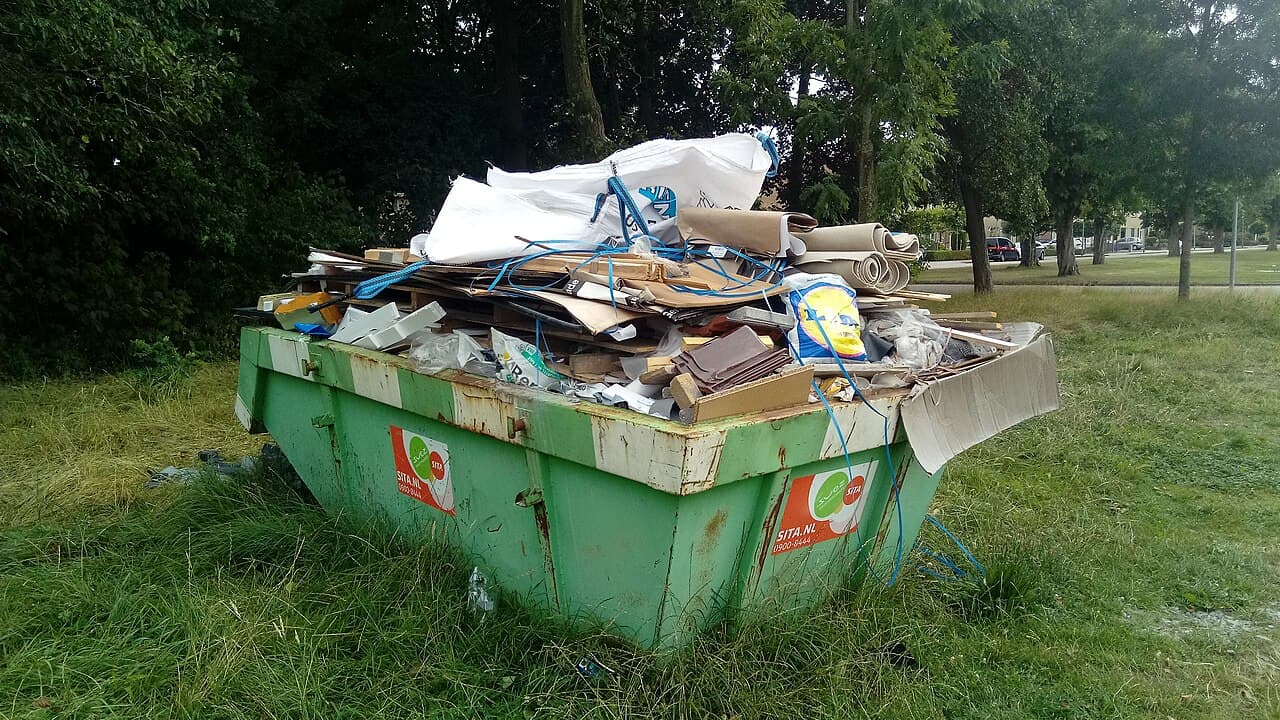
Debris has to go somewhere, and that cost is separate from the labor. EPA says construction and demolition materials consist of the debris generated during the construction, renovation and demolition of buildings, roads, and bridges.[3]
Disposal is priced locally. Fairfax County says its tipping fee for solid waste at its landfill and transfer station complexes is $98 per ton during Fiscal Year 2027, July 2026 through June 2027,[2] and it also says all fees are subject to change.[2] Its schedule sets a minimum charge for construction debris loads of $49 for a small load, $63 for a medium load and $109 for a large load.[2] Other localities and private haulers charge differently, so a quote should say what disposal it assumes.
What changes the number
Stage of the job. Rough cleanup during the build, clearing scrap and packaging so trades can keep working, is a different job from the final cleanup of dust, floors, glass and fixtures before handover. Say which you need.
Size and access. Square footage, the number of floors and how close a truck or dumpster can get all change the hours. Debris carried down several flights costs more than debris tossed into a bin at ground level.
Volume and mix of debris. Clean wood, metal and masonry are easier to reuse or recycle than a mixed pile. EPA says brick, concrete and masonry can be recycled on site as fill, subbase material or driveway bedding, and scrap wood can be chipped on site and used as mulch or groundcover.[3] Sorting costs labor, and whether it lowers the disposal line depends on the facility and hauler.
Dust. Cutting and grinding masonry makes fine dust that settles everywhere. OSHA's construction silica standard says an employer shall not allow dry sweeping or dry brushing where it could contribute to employee exposure to respirable crystalline silica unless wet sweeping, HEPA-filtered vacuuming or other methods that minimize exposure are not feasible.[5] It also restricts using compressed air to clean surfaces unless it is used with a ventilation system that effectively captures the dust cloud.[5] Wet methods and HEPA vacuums cost more time and equipment than a broom, and a good quote reflects that.
Insurance and employment. A company that employs its crew and carries workers' compensation has costs that a one-person operation may not. Every employer subject to the Virginia Workers' Compensation Act must insure the payment of compensation to its employees,[4] so a very low price sometimes reflects skipped coverage.
How to get quotes you can compare
Quotes only line up when every company prices the same job. Decide whether you need rough cleanup, final cleanup or both, and write down the square footage, floors and access. Photograph the debris. Have each company see the site, or send photos, before it prices the job, and describe the tasks you want done.
Decide who loads the debris, who hauls it and whether the disposal fee is priced in or billed at the facility's rate.[2] Ask for a written quote that shows crew size, hours, tasks, equipment, hauling, disposal and the total. When totals differ, the gap is almost always in the hours, the tasks or the hauling.
If a general contractor is running the project, check the build contract first. Debris removal and final cleaning are often already part of it, which can make a separate cleanup crew unnecessary.
Stop and call a pro if
Most site cleanup is routine. A few conditions need a specialist, not a general cleanup crew.
- You see suspect asbestos materials, lead paint dust or unknown chemicals or containers. Stop work and have them identified before anyone disturbs them.
- The debris includes heavy slabs, loose masonry or anything that needs lifting equipment or shoring to move safely.
- The job involves sewage, a flooded area or visible mold.
- A company will not show proof of insurance, or says its workers are all independent contractors and so need none.
Where to go next
For regular cleaning once the space is in use, read how much janitorial services cost in Virginia and what a janitorial service contract should include. For a one-time clean after an event, see how much post-event cleanup costs in Virginia. Browse more commercial answers or commercial services on Loclis.
To get prices for your own site, describe the job once and local commercial cleanup businesses quote it.
Common questions
- Is construction cleanup priced by the hour or by the job?
- Both are common. Either way the price comes from crew-hours plus hauling and disposal, so ask each company how many people and how many hours it expects, and what it assumes about the amount of debris. A flat price is easier to budget; hourly is fairer when the debris volume is unknown.
- What is the difference between rough cleanup and final cleanup?
- Rough cleanup removes debris and scrap during the build so trades can keep working. Final cleanup is the detail work before handover: dust, floors, glass and fixtures. They are different tasks, so ask whether a quote covers one or both.
- Who pays for the dumpster and disposal?
- It depends on the contract. On a general contractor's job, debris removal is often already in the build contract. Fairfax County, for example, lists a $98 per ton tipping fee for solid waste in Fiscal Year 2027 and sets minimum charges for construction debris loads. Settle who pays in writing.
- Can recycling lower the cost?
- Sometimes. EPA says brick, concrete and masonry can be recycled on site as fill, subbase material or driveway bedding, and scrap wood can be chipped on site and used as mulch or groundcover. Ask whether a company sorts loads and what that does to the disposal line.
- Should I check insurance before hiring a cleanup crew?
- Yes. Every employer subject to the Virginia Workers' Compensation Act must insure the payment of compensation to its employees, so ask for proof of coverage. A very low price sometimes reflects skipped coverage.
Sources
- [1] 47-2061.00 - Construction Laborers, O*NET OnLine, U.S. Department of Labor. Checked October 27, 2026.
- [2] Solid Waste Commercial Disposal Rates Schedule, Fairfax County Department of Public Works and Environmental Services. Checked October 27, 2026.
- [3] Sustainable Management of Construction and Demolition Materials, U.S. Environmental Protection Agency. Checked October 27, 2026.
- [4] Va. Code § 65.2-800, Duty to insure payment of compensation; effect of insurance, Code of Virginia, Virginia General Assembly. Checked October 27, 2026.
- [5] 1926.1153 - Respirable crystalline silica, Occupational Safety and Health Administration, U.S. Department of Labor. Checked October 27, 2026.
Want a pro to handle it?
Describe the job once. Licensed local businesses send quotes, and you pay only when you book one.
Get a quote from a local pro