How much does a contents pack-out cost after a fire or flood in Virginia?
There is no single Virginia price, and we found no dated primary-source price list for pack-outs. The bill depends on how much you own, how damaged it is, how it must be cleaned, how long it is stored and how far it travels. Get itemized written estimates, and ask your insurer first: the Bureau of Insurance says storage costs can be claimed.
Free to ask. Local shops send quotes, and you pay only when you book one.
By Kasra Taheri, Founder, LoclisPublished
Researched and drafted with AI, then checked claim by claim against the sources listed below before it was published. Prices and rules change; the dates beside each source say when it was last checked.
Step by step
Read when to stop and call a pro, further down this page, before you start.
Step 1: Report the loss and ask about contents coverage
Call your insurer or agent and ask what your policy pays for contents, storage and emergency clean-up.[1]
Step 2: Photograph and list before work starts
Take photographs before you begin cleaning and repairing, and list the damaged items room by room.[1]
Step 3: Ask the insurer to see the damage first
Do not dispose of items you think are a complete loss until the company representative has examined them.[1]
Step 4: Get itemized written estimates
Ask each company for a written estimate that separates inventory and packing, transport, cleaning, storage by the month and pack-back.[1]
Step 5: Hold off on signing
Do not sign a contract for major repair until the insurer has determined how much damage there is and how much it will pay.[1]
Step 6: Keep every receipt
Save receipts for clean-up, storage and replacement purchases, and submit them to the insurer as you go.[1]
There is no single Virginia price for a contents pack-out, and we did not find a dated price list for this work from a primary source, so we will not quote one. The bill depends on how much you own, how damaged it is, how it must be cleaned, how long it is stored and how far it travels. Your insurer, not the restoration company, usually decides how much of it is paid, so start there.
What drives the price
A pack-out is several services bundled together, and each has its own cost:
- Volume and density. A three-bedroom house with a full garage is a far bigger job than a one-room loss. More items means more inventory, more boxes and more truck loads.
- Type of contents. Clothing, soft goods, electronics, books and papers, art, and furniture are cleaned by different methods, and delicate or high-value items cost more to handle.
- Cleaning method and extent. Heavy smoke or soot residue, water that reached items, or odor all add work. Pieces that cannot be saved are priced out as a loss, not cleaned.
- Packing and handling. Fragile or oversize items, stairs, long carries and tight access slow the crew.
- Storage. Time is the big variable. Storage is usually billed by the month, and repairs that run long increase it.
- Distance and trucks. Mileage to the facility and the number of trips add up.
- Pack-back. Returning items and placing them in the right rooms is a separate step in most estimates.
- Specialists. Artwork, musical instruments, rugs or electronics may go to specialists, who charge their own fees.
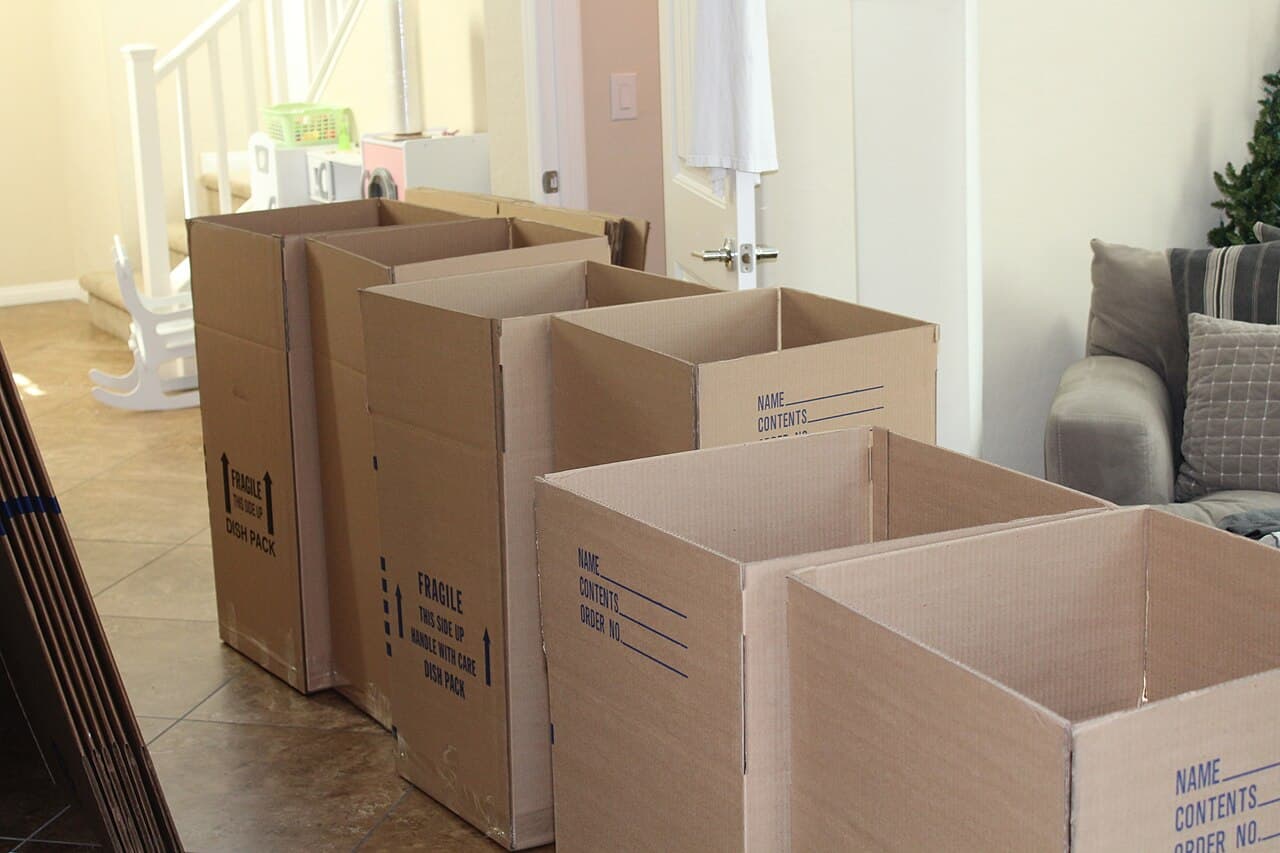
Who pays: your insurance
The Virginia Bureau of Insurance explains that your policy divides your claim into two separate parts - one for the house itself and one for the personal property or contents.[1] You can also submit a claim for the cost of storing your personal property until your home is ready for occupancy.[1] Most homeowners policies cover the reasonable costs of emergency clean-up and temporary repairs,[1] which can reach some of the early packing and protective work.
The amount for contents is limited by the policy. The Bureau's homeowners guide says protection for the contents of your home is usually 50% of the policy limit on your dwelling.[2] Check your own limit.
If a flood caused the damage, the picture changes. The Bureau notes that standard homeowners policies do not cover flood damage,[1] and Ready.gov likewise says homeowner's insurance policies do not cover flooding.[3] A flood pack-out needs a flood policy behind it, or you pay for it yourself.
Actual cash value or replacement cost
How contents are valued affects what you end up paying out of pocket for items that cannot be saved. The Bureau explains that actual cash value is the amount equal to what the items were actually worth at the time they were damaged or destroyed.[1] Its example: if the average useful life of a sofa is 20 years, and your sofa was 10 years old on the day it was destroyed, the company would pay you $500.[1] With replacement cost coverage, once you have actually replaced the items and submitted your receipts, the company will then pay you the difference.[1]
If you have to live elsewhere, additional living expense coverage pays for costs you incur that are in excess of your normal living expenses.[1] That is a separate line from the contents claim.
How to compare quotes
Ask for estimates in writing and itemize them so they can be compared. DPOR, in its guidance on disaster recovery, says to get at least three estimates whenever possible,[4] and to insist on a written contract and do not sign anything until you understand the terms.[4] Ask each company for:
- how it prices inventory, packing, transport, cleaning, storage and pack-back
- the monthly storage rate, and what happens to it if repairs run long
- which items it expects to clean, which to send to a specialist, and which to treat as a loss
- who is responsible for loss or damage while items are in transit or storage, and what its insurance covers
- how it will give you the inventory, and whether you get a copy before anything leaves
- how it bills your insurer, and what you owe directly
The Bureau advises that you do not sign any contracts for major repair until the company representative has determined how much damage there is and how much the company will pay.[1] On payment, it says it is highly unlikely that a reputable contractor would request full payment in advance.[1] DPOR adds: don't pay 100% of the bill until the work is 100% complete and you are satisfied with the job,[4] and do not pay cash.[4] Be wary of door-to-door solicitations promising repairs at a discounted price.[4]
Protect your claim
Document first, then pay. Take photographs to show the way things look before you begin cleaning and repairing, and be sure to keep receipts for all of your clean-up expenses.[1] You should not dispose of any items that you believe may be a complete loss until the company representative has examined them.[1]
Read what a contents pack-out is and when you need one for how the work goes, and who does contents pack-outs for who to call.
Stop and call a pro if
- The loss involves sewage or contaminated floodwater. That is not a job to scope or pack yourself; ask the restoration company how it handles it, and see what to do after sewage cleanup.
- Your estimates differ by a lot. Ask each company to walk through its line items before you choose the cheaper one.
- A company wants cash or full payment up front, or presses you to sign today. DPOR lists high-pressure or scare tactics and escalating prices among its scam signals.[4]
- The house is not yet cleared for entry, or the structure itself needs drying or repair, which is a larger restoration job; see what happens during fire and smoke damage restoration.
Browse restoration services or more restoration answers, then describe your loss once and local restoration businesses quote it.
Common questions
- Is there a standard price per box or per room?
- Not one we can point to from a dated primary source. Companies price by the item, the box, the hour or the room, and they price cleaning separately. Ask for an itemized written estimate so you can compare like with like.
- Will my insurance cover the pack-out?
- Often some or all of it for a covered loss, but it depends on your policy. The Virginia Bureau of Insurance says you can submit a claim for the cost of storing your personal property until your home is ready for occupancy and that most homeowners policies cover the reasonable costs of emergency clean-up. Ask your insurer before work starts.
- What if the loss is a flood?
- Standard homeowners policies do not cover flood damage, according to the Bureau of Insurance. Ready.gov says the same. Only a separate flood policy, such as one from the National Flood Insurance Program, pays for it.
- Why would the contents be paid at less than they cost to replace?
- If your policy pays actual cash value, the insurer deducts for age and wear. The Bureau of Insurance gives a sofa that costs $1,000 new, has a 20-year useful life and is 10 years old, which pays $500. A replacement cost policy pays the difference once you replace the item and submit receipts.
- Should I pay a deposit?
- Keep it small and keep records. DPOR advises never paying for the entire job upfront and not paying cash, and the Bureau of Insurance says it is highly unlikely that a reputable contractor would request full payment in advance.
Sources
- [1] When Disaster Strikes: Insured Homeowner's Loss, Bureau of Insurance, Virginia State Corporation Commission. Checked October 27, 2026.
- [2] Virginia Homeowners Insurance Guide, Bureau of Insurance, Virginia State Corporation Commission. Checked October 27, 2026.
- [3] Floods, Ready.gov, Federal Emergency Management Agency. Checked October 27, 2026.
- [4] Disaster Recovery: Avoiding Fraud, Virginia Department of Professional and Occupational Regulation. Checked October 27, 2026.
Want a pro to handle it?
Describe the job once. Licensed local businesses send quotes, and you pay only when you book one.
Get a quote from a local pro