What is a contents pack-out, and when do I need one?
A contents pack-out is when a restoration company inventories, packs and removes your belongings from a damaged home so they can be cleaned and stored during repairs. You usually need one after a fire, smoke or water loss when belongings are damaged or in the way. Photograph and list your things first, and keep damaged items until the insurer has seen them.
Free to ask. Local shops send quotes, and you pay only when you book one.
By Kasra Taheri, Founder, LoclisPublished
Researched and drafted with AI, then checked claim by claim against the sources listed below before it was published. Prices and rules change; the dates beside each source say when it was last checked.
Step by step
Read when to stop and call a pro, further down this page, before you start.
Step 1: Get the all-clear to go in
Check with the fire department to make sure your residence is safe to enter.[2] Do not go back in earlier for belongings.
Step 2: Call your insurer
Report the loss and ask for instructions on protecting your property, conducting inventory and contacting restoration companies.[2]
Step 3: Photograph before you touch
Take photographs to show the way things look before you begin cleaning and repairing.[1]
Step 4: List what is damaged, room by room
Write down each damaged item with where and when you bought it, what you paid, and the brand and model if you know them.[1]
Step 6: Set aside the irreplaceable
Note valuables, papers, photographs and keepsakes separately so the crew can pack and handle them with care.
Step 7: Keep every receipt
Save receipts for clean-up, packing and storage costs.[1]
Step 8: Ask for a written inventory
Before anything leaves, ask the company to give you a written inventory of what it packed, and keep a copy.
A contents pack-out is the step where a restoration company takes your belongings out of a damaged home. The crew photographs and inventories each room, packs items, moves them out, cleans what can be cleaned, stores them, and brings them back once the repairs are done. You usually need one after a fire, smoke or water loss that has damaged your belongings, or that is going to make it impossible to repair the house with furniture and boxes in the way.
Your part comes first. What you photograph, list and keep before the crew arrives decides how smoothly the insurance claim goes later.
What a pack-out includes
The details differ by company, but a full pack-out usually has these parts:
- Inventory. Each item or box is logged with its room and condition, often with a photo. This is the record your insurer will want.
- Sorting. Items are separated into those that can be cleaned, those that need a specialist, and those that are a total loss. Total-loss items are not thrown away until the insurer has had a chance to look.
- Packing and removal. Fragile pieces, electronics, clothing and papers are packed to suit their type, then moved out of the house.
- Cleaning. Items that can be saved are cleaned off site, using different methods for textiles, hard goods, electronics and artwork.
- Storage. Belongings are held in a secure, clean space until the house is ready.
- Pack-back. After repairs, items are returned and put in the right rooms.
A smaller version, sometimes called a "pack-in-place" or "move-out and move-back," moves furniture around inside the house or to a garage so a repair crew can work, without taking everything away.
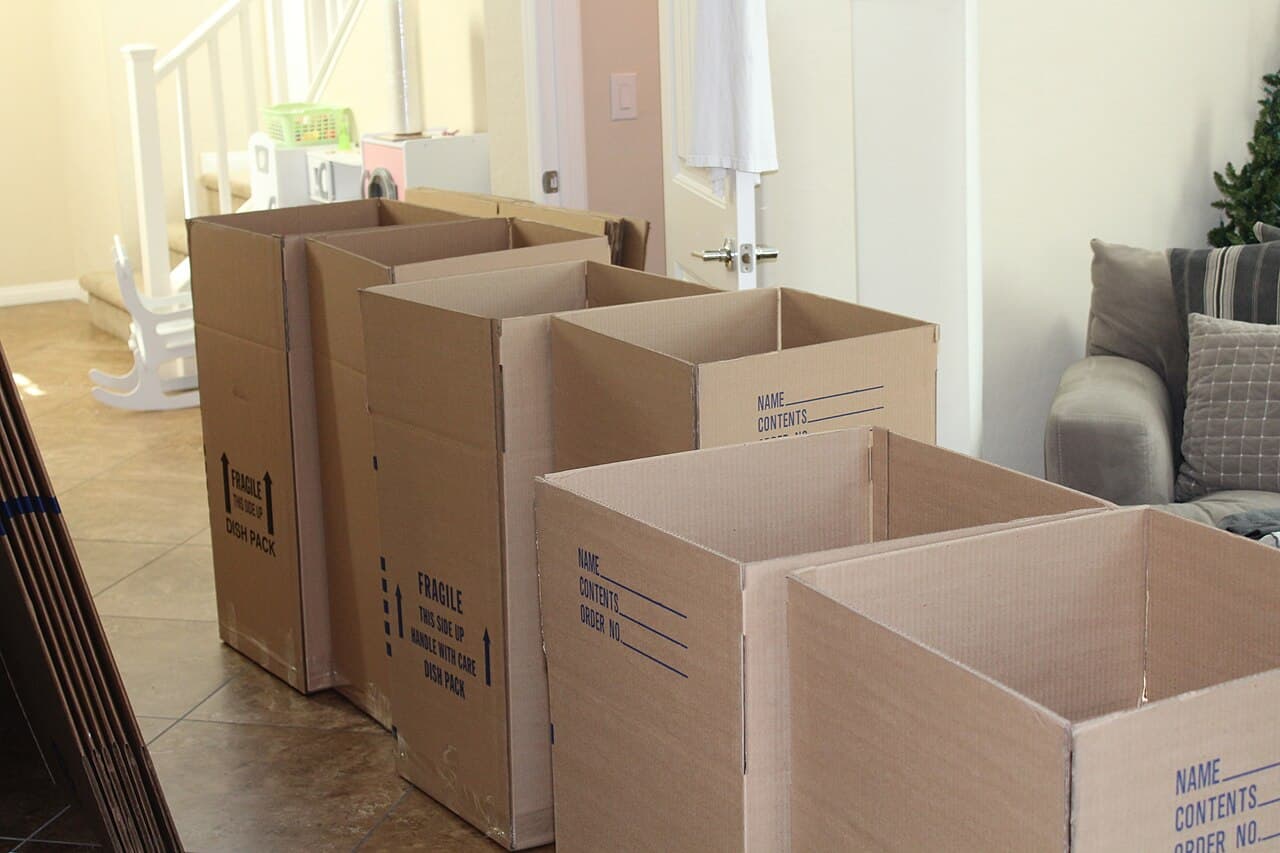
When you need one
A pack-out makes sense when:
- Smoke, soot or fire residue has reached belongings. Items left in the house stay exposed to it.
- Water has soaked or humidified contents, and drying equipment and demolition are about to start.
- Repairs need the rooms empty. Flooring, drywall, paint or cabinet work is hard to do around furniture.
- The house cannot be lived in for a while and you need your things kept safe.
- The loss involves sewage or other contaminated water. The EPA says that if the water and/or mold damage was caused by sewage or other contaminated water, then call in a professional who has experience cleaning and fixing buildings damaged by contaminated water.[4]
You may not need one when the loss is small, clean and confined to one room, and you can move the contents yourself.
What insurance may pay
Check your policy before you sign anything. The Virginia Bureau of Insurance explains that your policy divides your claim into two separate parts, one for the house itself and one for the personal property or contents.[1] You can also submit a claim for the cost of storing your personal property until your home is ready for occupancy.[1]
Cause matters. The Bureau notes that standard homeowners policies do not cover flood damage,[1] and Ready.gov likewise says homeowner's insurance policies do not cover flooding.[3] If a flood is the cause, you need a separate flood policy.
For how contents are valued and paid, and what to expect on price, see how much a contents pack-out costs after a fire or flood in Virginia.
What to do before the crew arrives
First make sure it is safe. Check with the fire department to make sure your residence is safe to enter.[2] Then call your insurer: Ready.gov advises that if you are insured, contact your insurance company for detailed instructions on protecting your property, conducting inventory and contacting fire damage restoration companies.[2]
Then build your record. The Bureau of Insurance says to take photographs to show the way things look before you begin cleaning and repairing, and be sure to keep receipts for all of your clean-up expenses.[1] If you do not have a household inventory, try to picture the contents of every room in your home, and then list and describe all the items that were damaged or destroyed.[1] Try to remember when or where you bought each item, how much you paid for it, and how much it will cost to replace it.[1]
Do not throw things out in the meantime. Do not throw away any damaged goods until after you make the inventory of your items.[2] The Bureau adds that you should not dispose of any items that you believe may be a complete loss until the company representative has examined them.[1]
Things a pack-out cannot always fix
Some belongings do not come back. The EPA says absorbent or porous materials, such as ceiling tiles and carpet, may have to be thrown away if they become moldy.[4] The EPA says that if you are unsure about how to clean an item, or if the item is expensive or of sentimental value, you may wish to consult a specialist.[4] Ask the pack-out company which items it will send to a specialist and what that adds to the cost.
Stop and call a pro if
- Anything was in sewage, floodwater or other contaminated water. Do not handle it yourself; hire a professional experienced in contaminated-water cleanup.[4]
- Mold covers a large area. The EPA points to its commercial and school remediation guidance where mold growth covers more than 10 square feet.[4]
- The fire department has not cleared the house. Stay out until it says the residence is safe to enter.[2]
- Smoke or soot covers many rooms, or the house needs structural drying, in which case contents work is only one part of a larger restoration job.
- You cannot tell what is salvageable or the items are valuable or irreplaceable. A specialist is a better call than guessing.[4]
Next steps in Virginia
To find out who handles this work, read who does contents pack-outs after a fire or flood, and see what to do first after water damage or what to do after a house fire in Virginia. Browse restoration services or more restoration answers.
When you are ready, describe the loss once and local restoration businesses quote it.
Common questions
- Does a pack-out mean everything leaves the house?
- Not necessarily. The company usually sorts belongings into what must go, what can stay and be protected in place, and what is a total loss. Repairs, smoke or water reach, and the condition of each item decide the split.
- Does homeowners insurance pay for a pack-out?
- It depends on the policy and the cause. The Virginia Bureau of Insurance says you can submit a claim for the cost of storing your personal property until your home is ready for occupancy, and that a policy splits the claim between the house and the contents. Ask your insurer before work starts what it will cover.
- Is a flood pack-out covered by homeowners insurance?
- Usually not. Ready.gov says homeowner's insurance policies do not cover flooding, and the Bureau of Insurance says the same of standard homeowners policies. Flood damage is covered by a separate flood policy, such as one from the National Flood Insurance Program.
- Can I pack my own things instead?
- For a small, clean loss, often yes: photograph, list and move items to a dry, clean room. After heavy smoke, sewage or contaminated water, leave it to a professional, who can clean and document items properly.
- Can a moldy item be saved?
- Sometimes. The EPA says absorbent or porous materials may have to be thrown away if they become moldy. For anything expensive or sentimental, the EPA suggests consulting a specialist.
Sources
- [1] When Disaster Strikes: Insured Homeowner's Loss, Bureau of Insurance, Virginia State Corporation Commission. Checked October 27, 2026.
- [2] Home Fires, Ready.gov, Federal Emergency Management Agency. Checked October 27, 2026.
- [3] Floods, Ready.gov, Federal Emergency Management Agency. Checked October 27, 2026.
- [4] Mold Cleanup in Your Home, U.S. Environmental Protection Agency. Checked October 27, 2026.
Want a pro to handle it?
Describe the job once. Licensed local businesses send quotes, and you pay only when you book one.
Get a quote from a local pro