How do I do a DIY home energy audit?
Walk the house with a checklist and look for drafts, thin or blocked insulation, leaky ducts, a dirty furnace filter, old equipment and inefficient bulbs. The U.S. Department of Energy says reducing drafts alone may save 10% to 20% a year. A walk-through is less thorough than a professional assessment, but it shows where to start.
Free to ask. Local shops send quotes, and you pay only when you book one.
By Kasra Taheri, Founder, LoclisPublished
Researched and drafted with AI, then checked claim by claim against the sources listed below before it was published. Prices and rules change; the dates beside each source say when it was last checked.
Step by step
Read when to stop and call a pro, further down this page, before you start.
Step 1: Gather your bills and start a checklist
Collect a year of energy bills and keep a list of every area you inspect and every problem you find, so you can rank the fixes afterward.[1]
Step 2: Look for drafts indoors
Check gaps along the baseboard or edge of the flooring and where walls meet the ceiling, then windows, doors, light and plumbing fixtures, switches, outlets and fireplace dampers.[1]
Step 3: Look for drafts outside
Walk the outside and check cracks and holes in the mortar, foundation and siding, especially where two different building materials meet, plus the edges of windows and doors.[1]
Step 4: Check the attic hatch and openings
From the hatch, see whether it is insulated like the attic, weather stripped and closes tightly, and whether openings for pipes, ductwork and chimneys are sealed.[1]
Step 5: Look at the attic insulation
Look across the attic floor to see how deep the insulation is and whether it is blocking the exterior attic vents.[1] Stay on the hatch ladder or solid decking and do not step between joists.
Step 6: Check ducts you can see
Look at exposed ductwork for dirt streaks, especially near seams, which indicate air leaks, and note any ducts or pipes that run through unheated space.[1]
Step 7: Check the filter and the equipment's age
Look at the furnace or air handler filter and note the age of the heating and cooling equipment.[1]
Step 8: Count the bulbs and gadgets
List the bulbs that are not LEDs and the electronics that draw power when idle.[1]
Step 9: Rank what you found
Order the list by greatest energy loss, cost and payback, and decide what you can do yourself and what to hire out.[1]
A DIY energy audit is a slow, careful walk through your house with a checklist, looking for the places it leaks air, loses heat or wastes power. You are not measuring anything. You are finding the obvious problems and ranking them so you spend money in the right order.
The payoff can be real. The potential energy savings from reducing drafts in a home may range from 10% to 20% per year, and the home is generally much more comfortable afterward.[1] That is why drafts come first below.
Before you start
Pull together a year of energy bills so you know what you spend and when. Keep a notepad or phone note: list each area you inspect and each problem you find. The list is the product of the audit.[1] Pick a cold or windy day if you can, because drafts are easier to feel.
Walk through it
Drafts indoors. Check for indoor air leaks, such as gaps along the baseboard or edge of the flooring and at junctures of the walls and ceiling.[1] Other places to check for leaks include windows, doors, lighting and plumbing fixtures, switches, and electrical outlets. Also check for open fireplace dampers.[1] Run the back of your hand along the edges and note anywhere you feel moving air.
Drafts outside. Look for cracks and holes in the mortar, foundation, and siding, and look for leaks around windows and doors.[1] Pay attention to joints between different materials, such as where siding meets a chimney or a porch meets the wall.
The attic. From the hatch, check to see if it is at least as heavily insulated as the attic, is weather stripped, and closes tightly.[1] Then determine whether openings for items such as pipes, ductwork, and chimneys are sealed.[1] Make sure that the exterior attic vents are not blocked by insulation.[1] Look from the hatch or from solid decking rather than stepping between joists, which will not hold you and can put a foot through the ceiling below.
Ducts. Look at any ducts you can see in a basement, crawl space or attic. Check your ductwork for dirt streaks, especially near seams. These indicate air leaks, and they should be sealed with a duct mastic.[1] Note any run that passes through unheated space, since those are the ones to insulate.
Heating and cooling equipment. Look at the filter. Generally, you should change them about once every month or two, especially during periods of high usage or if your home has poor indoor air quality.[1] Write down the age of the furnace, heat pump or air conditioner from its data plate. If the unit is more than 15 years old, you should consider replacing your system with one of the newer, energy-efficient units.[1]
Lighting and electronics. Energy for lighting accounts for about 10% of your electric bill.[1] Count the bulbs that are not LEDs, and note chargers, set-top boxes and other devices that stay plugged in.
What a DIY audit cannot see
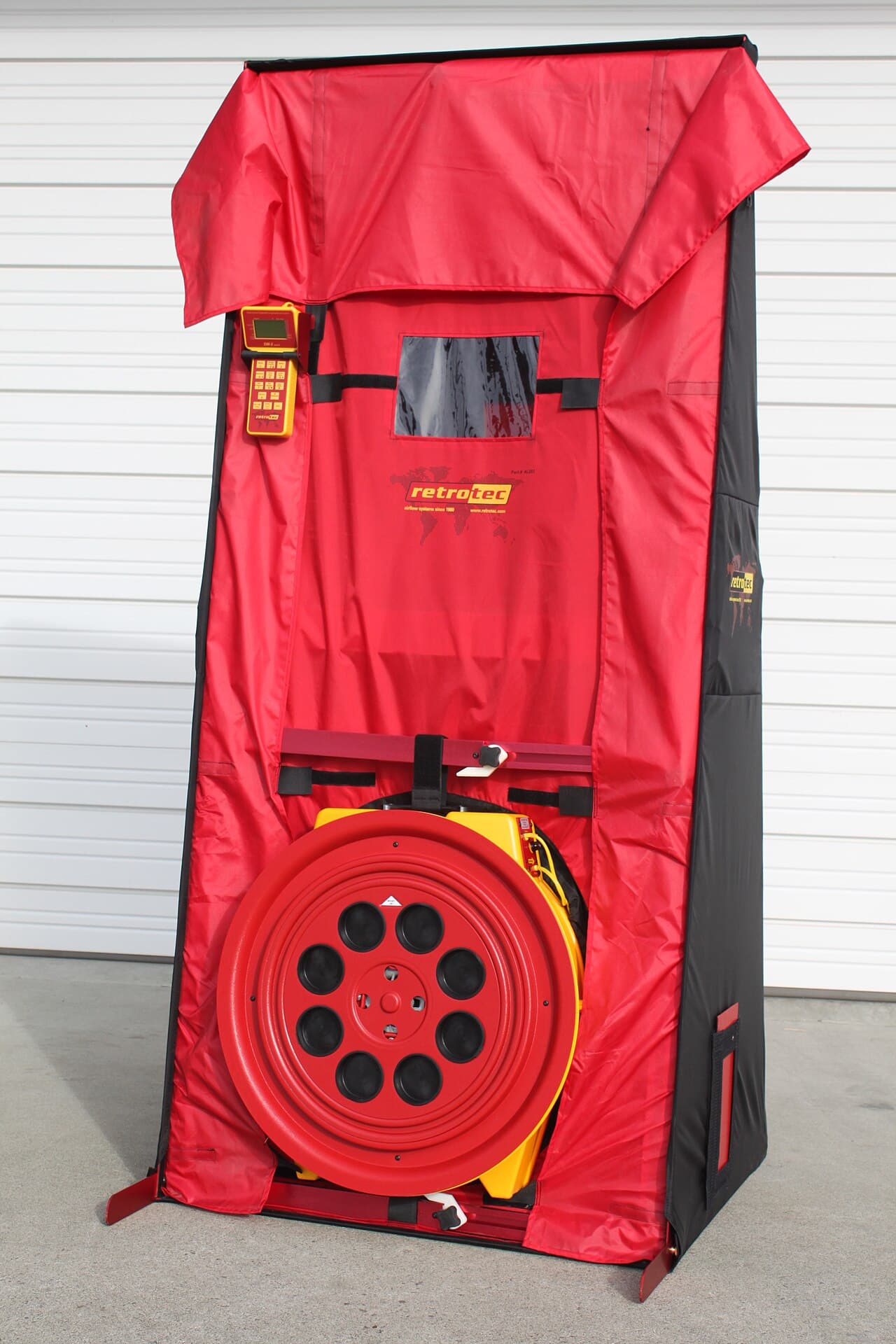
You cannot tell how much air the whole house leaks, whether the walls are insulated, or where heat escapes behind drywall. Many professional energy assessments will include a blower door test and a thermographic scan.[2] Checking wall insulation means opening an outlet box, which is electrical work and not part of a walk-through, so leave it to the assessor.
If you want an easy in-between step, Dominion Energy has a virtual audit for its customers: answer questions on your home's energy usage and receive a personalized list of energy-efficiency recommendations. Plus, get a kit of energy-efficient products shipped at no cost.[3] Many utilities offer professional energy assessments at no or reduced cost to their customers.[1]
Turning the list into a plan
Sort what you found by how much energy it wastes, what it costs to fix and how quickly it pays back. Cheap air sealing and filter changes first, then bulbs, then bigger jobs such as insulation, duct sealing or new equipment, which are worth a written quote from a licensed contractor.
Stop and call a pro if
- A fuel-burning appliance shows poor draft. Backdrafting is when the various combustion appliances and exhaust fans in the home compete for fresh air.[1] An exhaust fan may pull the combustion gases back into the living space, increasing indoor levels of carbon monoxide.[1] Burn marks or soot around the appliance burner or at the vent collar, or visible smoke anywhere in the utility room while the appliance is operating, indicate poor draft.[1] Do not seal the house tighter; have a heating professional look at it.
- You find moisture or mold. Remove or repair any parts of the home with internal moisture or mold to improve air quality and reduce deterioration.[2] Fix the source before adding insulation or sealing air leaks.
- Gaps sit around a chimney or flue. When sealing gaps around chimneys or other heat producing devices, be sure to use a non-combustible sealant.[1] If you are unsure what to use, ask a pro.
- Insulation, ducts or wiring need work. Opening walls, handling old insulation or touching wiring is not part of a walk-through.
- The equipment is old or struggling. Replacing or repairing it is a job for a licensed HVAC contractor.
Getting help in Virginia
If the walk-through turns up more than you want to tackle, read how much a home energy audit costs in Virginia and whether free audits are available. Loclis also has more inspection answers and a directory of energy audit pros.
When you are ready for a professional assessment, describe the job once and local pros will respond.
Common questions
- Is a DIY energy audit as good as a professional one?
- No. The U.S. Department of Energy describes a self-assessment as less thorough than a professional one, but useful for finding the easier problems and ranking upgrades. A professional visit usually adds instruments such as a blower door and an infrared camera, which show leaks you cannot see by eye.
- Does a new house still need an energy audit?
- It can. The Department of Energy cautions against assuming that a recently built home has no opportunities to save energy, because efficiency practice has moved faster than the training many builders get.
- How often should I change my furnace filter?
- The Department of Energy says generally about once every month or two, more often in periods of heavy use or when indoor air quality is poor. Follow the filter size and schedule in your equipment's manual if it differs.
- What should I do first after the walk-through?
- Start with the cheap, visible items: seal the drafts you found, replace a dirty filter and swap non-LED bulbs. Then ask a licensed contractor to quote anything bigger, such as insulation, duct sealing or equipment, and consider a professional assessment before spending much.
Sources
- [1] Do-It-Yourself Home Energy Assessments (archived copy), U.S. Department of Energy. Checked October 27, 2026.
- [2] Professional Home Energy Assessments, U.S. Department of Energy. Checked October 27, 2026.
- [3] Save Energy: Virginia, Dominion Energy. Checked October 27, 2026.
Want a pro to handle it?
Describe the job once. Licensed local businesses send quotes, and you pay only when you book one.
Get a quote from a local pro