Why are my energy bills so high in winter?
Heating is the job your house works hardest at in winter, so anything that wastes heat shows up on the bill: drafts, thin attic insulation, leaky ducts, a clogged filter, a thermostat set high all day, or a heat pump leaning on backup heat. The U.S. Department of Energy says reducing drafts alone may save 10% to 20% a year.
Free to ask. Local shops send quotes, and you pay only when you book one.
By Kasra Taheri, Founder, LoclisPublished
Researched and drafted with AI, then checked claim by claim against the sources listed below before it was published. Prices and rules change; the dates beside each source say when it was last checked.
Step by step
Read when to stop and call a pro, further down this page, before you start.
Step 1: Compare this winter with last winter
Pull up a year or more of bills from your utility and compare the same months. A jump with the same weather points to a fault, not just the cold.
Step 2: Check the thermostat schedule
Look at the heating setpoint and whether it drops when you are asleep or away; around 68°F to 70°F while awake is the usual target.[2]
Step 3: Check the filter
Look at the furnace or heat pump filter and replace it if it is dirty.[4]
Step 4: Look at the thermostat on a heat pump
If you have a heat pump, note whether AUX HEAT or emergency heat is showing, and when.[5]
Step 5: Hunt for drafts
On a windy day, feel around windows, doors, outlets, the attic hatch and the baseboards, and look for cracks in siding and mortar outside.[1]
Step 6: Look at the attic from the hatch
See how deep the insulation is, whether it is blocking the vents, and whether pipe and duct openings are sealed. Stay on the ladder or solid decking.[1]
Step 7: Look at the ducts you can see
Look for dirt streaks near seams and for ducts running through unheated space.[1]
Step 8: Write down what you found
Rank the findings by cost and payback, and get a written quote from a licensed contractor for anything beyond sealing and a filter.[1]
Your bill is high because your house loses heat faster than your system can make it cheaply. Winter just makes the loss visible. Some of it is the weather, but the usual causes are fixable: drafts, thin attic insulation, leaky ducts, a clogged filter, a thermostat that never lets up, or a heat pump leaning on its backup heat.
Start with the bill and the thermostat
Compare this winter with last winter, month by month, from your utility's online account. If the weather was similar and the bill jumped, something changed in the house: a failing component, a new habit, a dirty filter. If both winters are high, the house itself is the problem.
Then look at the thermostat. You can easily save energy in the winter by setting the thermostat to around 68°F to 70°F while you're awake and setting it lower while you're asleep or away from home.[2] You can save as much as 10% a year on heating and cooling by simply turning your thermostat back 7°-10°F for 8 hours a day from its normal setting.[2] The reason: during winter, the lower the interior temperature, the slower the heat loss.[2] Setting it back does not make the furnace "work harder" for savings to vanish.
The big leaks
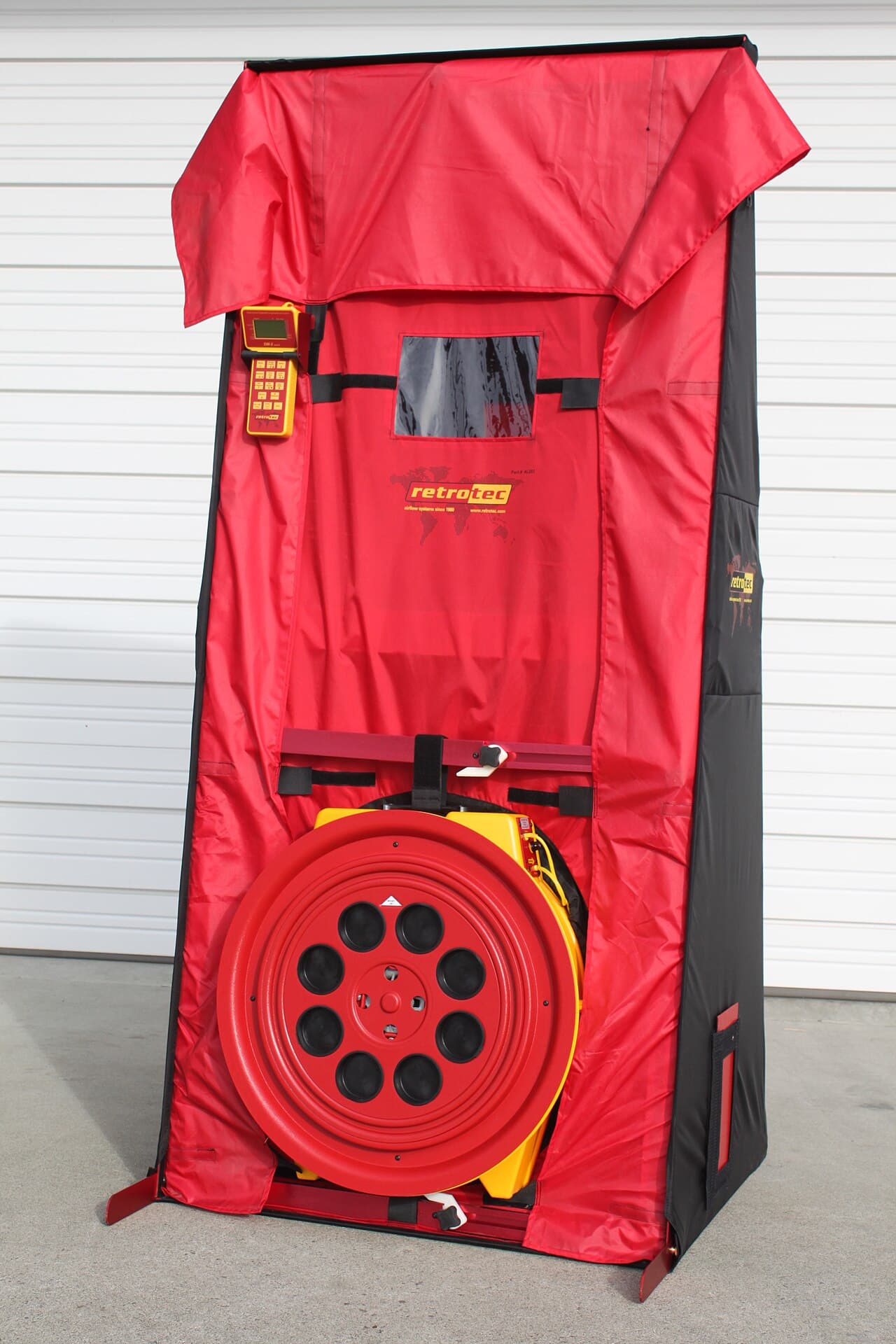
Drafts. The potential energy savings from reducing drafts in a home may range from 10% to 20% per year, and the home is generally much more comfortable afterward.[1] The cheap places to look are windows, doors, outlets, the attic hatch and the gap along baseboards. Our DIY energy audit walk-through covers the full list.
The attic. The attic is usually where you can find some of the largest opportunities to save energy in your home.[7] Warm air rises through gaps around pipes, ducts and light fixtures, and thin or blocked insulation lets the rest escape.
Ducts. In a typical house, about 20 to 30 percent of the air that moves through the duct system is lost due to leaks, holes, and poorly connected ducts.[3] Ducts in an attic, crawl space or garage lose the most. Insulate any ducts or pipes that travel through unheated spaces.[1] An insulation R-Value of 6 is the recommended minimum for ductwork.[1] If you seal seams yourself, use mastic or metal tape. Never use duct tape, as it is not long-lasting.[3]
The heating equipment
A dirty filter. A dirty filter can increase energy costs and damage your equipment, leading to early failure.[4] Inspect, clean, or change air filters once a month in your central air conditioner, furnace, and/or heat pump.[4] It is the cheapest fix on this page.
A heat pump on backup heat. Heat pumps switch on electric backup (auxiliary) heat when the outside temperature is below 40 degrees or a set aux heat trigger temperature,[5] and also when you raise the setting sharply: the thermostat can trigger it if you raise the heating temperature by more than 3-4 degrees.[5] So small, steady adjustments cost less than big jumps. Emergency heat is a heat pump thermostat setting that you should only use in a true emergency,[5] and it is easy to leave on by mistake. If AUX HEAT or emergency heat shows in mild weather, call a licensed HVAC contractor.
Age and fuel. New furnaces usually rate in the mid-70s to low 80s, whereas older furnaces will be in the 50s or 60s.[6] If the unit is more than 15 years old, you should consider replacing your system with one of the newer, energy-efficient units.[1] Electric resistance heat (baseboards, space heaters) is generally considered the most expensive method of heating.[6]
When it is worth paying for an audit
If the cheap checks do not explain the bill, a professional assessment finds what you cannot see. Read how much a home energy audit costs in Virginia and whether free audits are available. Income-eligible households can also apply to the state Weatherization Assistance Program, where the work is provided at no cost to an approved income eligible household.[8]
Stop and call a pro if
- A fuel-burning appliance shows poor draft. Backdrafting is when the various combustion appliances and exhaust fans in the home compete for fresh air.[1] An exhaust fan may pull the combustion gases back into the living space, increasing indoor levels of carbon monoxide.[1] Soot or smoke near a furnace or water heater is a licensed-contractor job, now.
- The attic is wet or the wiring is old. Wet or damp insulation, indicating a leaky roof, needs the roof fixed first.[7] Knob and tube wiring (pre-1930), which can be a fire hazard when in contact with insulation, is another reason to stop.[7]
- The equipment is failing. Repeated cycling, strange smells, or no heat at all belong to a licensed HVAC contractor, not an audit.
- Your ducts run through spaces you cannot safely reach. Do not crawl between joists or into a tight attic to chase leaks.
Getting help in Virginia
Browse more inspection answers or the directory of inspection pros. When you are ready, describe the job once and local pros will respond.
Common questions
- Does turning the thermostat down at night really save money?
- Yes. The U.S. Department of Energy says you can save as much as 10% a year on heating and cooling by turning the thermostat back 7°-10°F for 8 hours a day. It also says the idea that the furnace works so hard to catch up that you save nothing is a misconception, because the house loses heat more slowly while it is cooler.
- Why is my heat pump using so much electricity in January?
- Often because backup heat is running. A heat pump's auxiliary heat is meant to help when it is cold outside or when you raise the setting by several degrees at once. If AUX HEAT stays on in mild weather, or the system is stuck on emergency heat, have a licensed HVAC contractor look at it.
- Is electric resistance heat more expensive than a furnace or heat pump?
- Virginia Cooperative Extension describes electric resistance heating, such as baseboard or space heaters, as generally considered the most expensive method of heating. Compare the fuel cost per unit of heat produced rather than the price per kilowatt hour against the price per therm or gallon.
- Should I replace my old furnace to cut my winter bill?
- Not before you rule out drafts, insulation and ducts, which are cheaper to fix. The Department of Energy suggests considering replacement once a unit is more than 15 years old. Get at least two written quotes from licensed HVAC contractors that state the efficiency rating of the equipment.
- Is there help paying for energy upgrades if my income is low?
- Virginia's Weatherization Assistance Program, run through the Department of Housing and Community Development and local non-profit providers, does the work at no cost to an approved income-eligible household. Apply through the provider serving your county; the state office does not take applications.
Sources
- [1] Do-It-Yourself Home Energy Assessments (archived copy), U.S. Department of Energy. Checked October 28, 2026.
- [2] Programmable Thermostats (archived copy), U.S. Department of Energy. Checked October 28, 2026.
- [3] Duct Sealing, ENERGY STAR, U.S. Environmental Protection Agency. Checked October 28, 2026.
- [4] Maintenance Checklist (heating and cooling), ENERGY STAR, U.S. EPA. Checked October 28, 2026.
- [5] What Is Auxiliary Heat in a Heat Pump System?, Trane. Checked October 28, 2026.
- [6] ENERGY SERIES: What about the Heating System? (2901-9005), Virginia Cooperative Extension, Virginia Tech. Checked October 28, 2026.
- [7] Attic Air Sealing Project, ENERGY STAR, U.S. Environmental Protection Agency. Checked October 28, 2026.
- [8] Weatherization Assistance Program FAQ, Virginia Department of Housing and Community Development. Checked October 28, 2026.
Want a pro to handle it?
Describe the job once. Licensed local businesses send quotes, and you pay only when you book one.
Get a quote from a local pro