How do I keep chimney bricks from crumbling?
Keep water out of the chimney and repair mortar early. That means a sound crown and cap on top, tight flashing where the chimney meets the roof, working gutters, and a Virginia-licensed mason repointing joints with a mortar softer than the brick before bricks loosen. Avoid waterproof coatings that trap moisture inside the wall.
Free to ask. Local shops send quotes, and you pay only when you book one.
By Kasra Taheri, Founder, LoclisPublished
Researched and drafted with AI, then checked claim by claim against the sources listed below before it was published. Prices and rules change; the dates beside each source say when it was last checked.
This is a job for a licensed pro in Virginia
This page explains what the work involves, the permits, what a licensed pro does and what drives the cost. It does not give step-by-step instructions, because this work needs a licence, a permit or both, and doing it wrong can injure someone. Before you hire, check the licence on Virginia's DPOR record.
Keep water out and fix small things early
Chimney bricks crumble because water gets into the masonry, so keeping the chimney crumbling-free means keeping water out of it and repairing mortar before it fails. The cheap, regular steps are a sound crown and cap on top, flashing that is tight where the chimney meets the roof, working gutters, and a mason fixing joints when they first soften rather than after bricks fall.
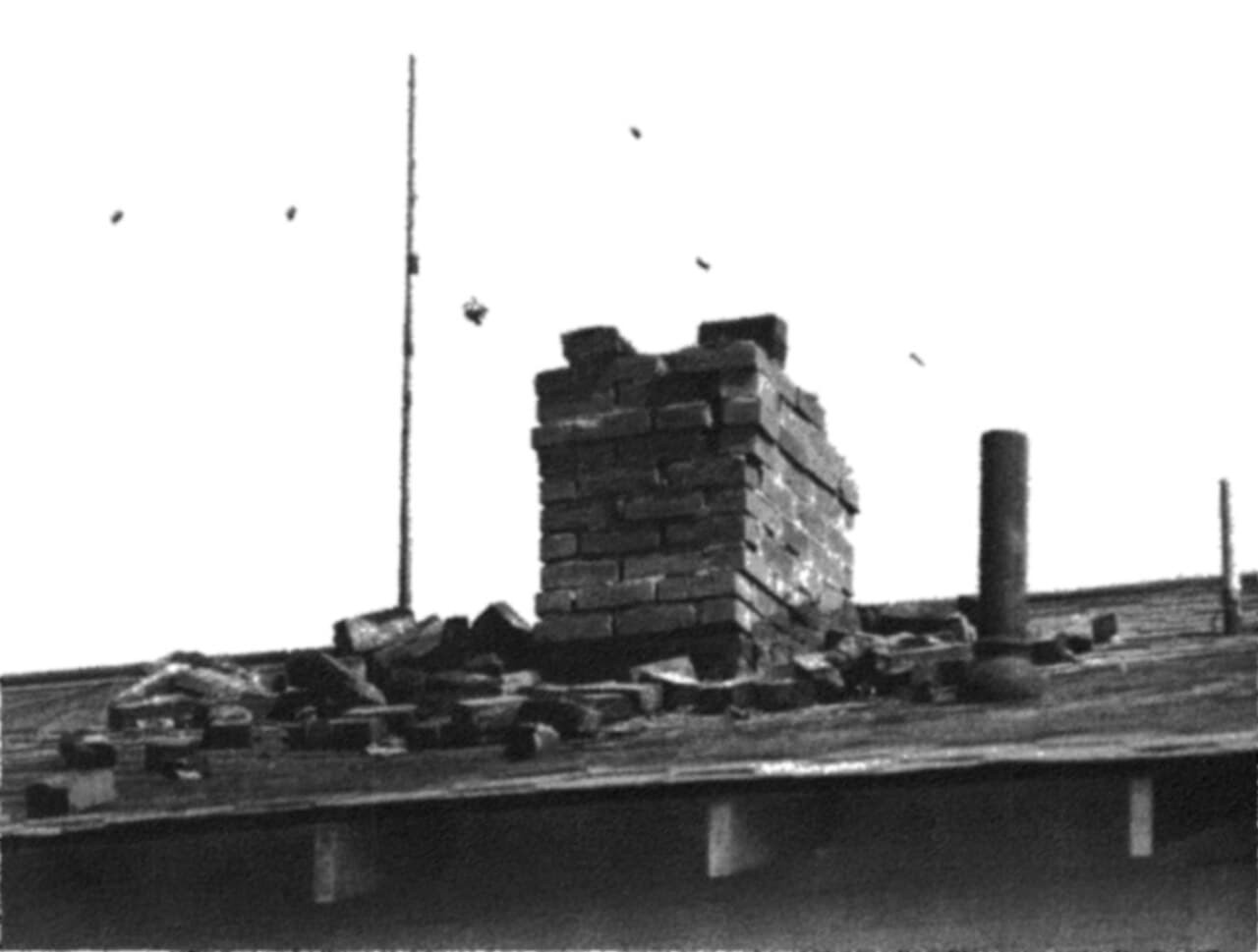
Why chimney bricks crumble
The National Park Service notes that masonry is subject to deterioration, especially at the mortar joints.[1] A chimney is more exposed than a wall: rain hits it from every side and the top gets the worst of the weather. Water can also cause spalled masonry from freeze-thaw action.[2] Where moisture moves through brick, salt crystallization within a masonry unit creates pressure that can cause parts of the outer surface to spall off.[1] Why bricks fall off a chimney goes through these causes in more detail.
Protect the top
The top of the chimney is the most exposed part, and the fix is simple. Woodstock Soapstone, a stove maker, lists as part of a sound masonry chimney a crown of concrete or non-water soluble refractory cement sloping away from the chimney and sealed with a flexible material[3] and a cap to keep out moisture, birds, or other pests.[3] Look up from the ground with binoculars, or have a pro look, for a cracked crown or a missing cap. Fixing either early is better than waiting for the brick below to fail.
For a chimney that is no longer used, the National Park Service suggests adding ventilated chimney caps to unused chimneys that collect rain water.[2]
Look after the roof and gutters
Water from a leaking roof or a spilling gutter is a common cause of masonry damage. The Park Service recommends that you inspect and clean gutters as necessary depending on number of nearby trees, but at least twice a year,[2] inspect roofing at least once a year, preferably spring,[2] and repair flashing.[2] Flashing and roofing work happens at roof height and is a job for a licensed roofer or contractor, not a homeowner on a ladder.
Watch for early signs
Check from the ground each spring and after big storms. The National Park Service lists wet stains, eroding surfaces, or efflorescence (salt deposits)[2] as warning signs of moisture, along with spalled, cracked masonry or eroded mortar joints.[2] Look for:
- sandy, hollow or missing mortar in the joints, especially near the top
- flaking or peeling brick faces
- white powder on the brick
- stains on the ceiling or wall beside the chimney inside
- bricks or pieces of brick on the roof or ground
The National Park Service says salts deposited on the surface of masonry units are usually relatively harmless,[1] but a crust of them means water is moving through the brick, and the source is worth finding.
Repair it the right way
When mortar does need repair, the choice of mortar matters. The National Park Service says mortar for repointing should be softer or more permeable than the masonry units, and calls it a common error to assume that hardness or high strength is a measure of appropriateness.[1] A mortar stronger in compressive strength than the bricks will not "give," so the stresses are relieved through the bricks, resulting in permanent damage to the masonry, such as cracking and spalling, that cannot be repaired easily.[1] Ask a mason what mortar they plan to use and why.
Two things to avoid. Do not have the chimney painted or coated with a waterproof sealer without asking a mason first. The Park Service shows a case where a waterproof coating trapped moisture from the leaking roof, causing portions of the masonry parapet to fail,[2] and advises that moisture should not be sealed into a wall with a waterproof coating.[2] And do not accept repointing as the whole answer if water is entering elsewhere, because it is erroneous to assume that repointing alone will solve deficiencies that result from other problems.[1]
When to call a licensed pro
For any repair to the chimney itself, at the crown, the joints or the brick. Virginia defines "masonry contracting" as the installation of brick, concrete block, stone, marble, slate, or other units and products common to the masonry industry, including mortarless type masonry products, and the service covers grout, caulking, tuck pointing, sand blasting, mortar washing and parging.[4] DPOR says that if the work is valued at $1,000 or more, a valid Virginia Contractor's License is required for the license category in which the contractor is to work.[5] Check the licence before you pay a deposit.
If the damage has gone past repointing, read what rebuilding a chimney involves and what it costs to rebuild a chimney in Virginia. To choose between trades, see who repairs chimney masonry, a mason or a chimney sweep.
Getting help in Virginia
Loclis lists DPOR-licensed contractors with their licence number and class. Browse chimney services or see more chimney answers.
When you are ready, describe the chimney once and licensed local contractors quote it.
Common questions
- How often should a chimney be checked for brick and mortar damage?
- A look from the ground each spring and after major storms is a reasonable habit. The National Park Service recommends inspecting roofing at least once a year, preferably in spring, and cleaning gutters at least twice a year, so a chimney check fits the same visit.
- Should I seal or waterproof my chimney bricks?
- Be careful. The National Park Service warns that a waterproof coating on a masonry parapet trapped moisture from a leaking roof and caused part of it to fail, and says moisture should not be sealed into a wall. Ask a mason before applying any sealer.
- What does white powder on my chimney bricks mean?
- It is efflorescence, a salt deposit. The National Park Service calls salts on the surface usually relatively harmless, but it means moisture is moving through the masonry, so look for the source, such as flashing, the crown or gutters.
- Is repointing enough to stop bricks crumbling?
- Only if mortar was the whole problem. The National Park Service says that repointing alone will not solve deficiencies that result from other problems, such as a leaking roof or gutters, and that the root cause should be dealt with first.
- Can I fix chimney mortar myself?
- Chimney work is at roof height, and in Virginia masonry work valued at $1,000 or more needs a licensed contractor. The mortar mix also matters, since one that is too hard damages the bricks. Hire a licensed mason.
Sources
- [1] Preservation Brief 2: Repointing Mortar Joints in Historic Masonry Buildings, National Park Service, U.S. Department of the Interior. Checked October 28, 2026.
- [2] Preservation Brief 39: Holding the Line: Controlling Unwanted Moisture in Historic Buildings, U.S. National Park Service. Checked October 28, 2026.
- [3] Masonry Chimneys, Woodstock Soapstone Company (stove manufacturer). Checked October 28, 2026.
- [4] 18VAC50-22-30. Definitions of specialty services, Virginia Administrative Code (Board for Contractors). Checked October 28, 2026.
- [5] What You Should Know Before You Hire a Contractor, Virginia Board for Contractors, DPOR. Checked October 28, 2026.
Want a pro to handle it?
Describe the job once. Licensed local businesses send quotes, and you pay only when you book one.
Get a quote from a local pro