How do I keep window screens from tearing?
Most screen tears come from pets, children, wind, rough cleaning and old, sun-worn mesh. Check screens every spring, patch small holes before they spread, clean them gently with a hose or soft brush, keep the clips and tracks working so screens are not forced, and switch to pet-resistant mesh where a dog or cat pushes on them.
Free to ask. Local shops send quotes, and you pay only when you book one.
By Kasra Taheri, Founder, LoclisPublished
Researched and drafted with AI, then checked claim by claim against the sources listed below before it was published. Prices and rules change; the dates beside each source say when it was last checked.
Step by step
Read when to stop and call a pro, further down this page, before you start.
Step 1: Inspect every spring
Look over each screen for rips, holes, warping and buildup in the corners, and check again after big storms.[1]
Step 2: Patch small holes early
Mend a small hole with a screen patch or a few stitches before it catches and runs.[1]
Step 3: Clean gently
Lay the screen flat and lightly spray it with a hose or vacuum it with a soft brush attachment, then let it air-dry.[7]
Step 4: Use the right cleaner
Rinse metal mesh with water only; wash vinyl-coated mesh with mild soapy water and no hard scrubbing.[5]
Step 5: Check the fasteners
Make sure screws and turn buttons on screen and storm combinations are securely fastened so the screen sits snug.[7]
Step 6: Free up the tracks
Clean window tracks and treat sliding-door rollers with a silicone-based lubricant so screens are not forced.[1]
Step 7: Upgrade where pets push
Rescreen windows and doors that pets claw with pet-resistant vinyl-coated polyester mesh.[4]
Step 8: Store screens with care
If you take screens down for winter, stand them upright or stack them flat where nothing heavy leans on the mesh.
Screens tear for a handful of reasons: pets, children, wind, rough handling and age. Phifer, which weaves insect screen, sums up the wear: "Time and age can wear a screen down, and so can the elements. Screens can be damaged by high winds or punctured, tearing holes in a screen."[2] Keeping screens whole comes down to catching damage early, cleaning gently, keeping the hardware working, and using tougher mesh where screens take a beating.
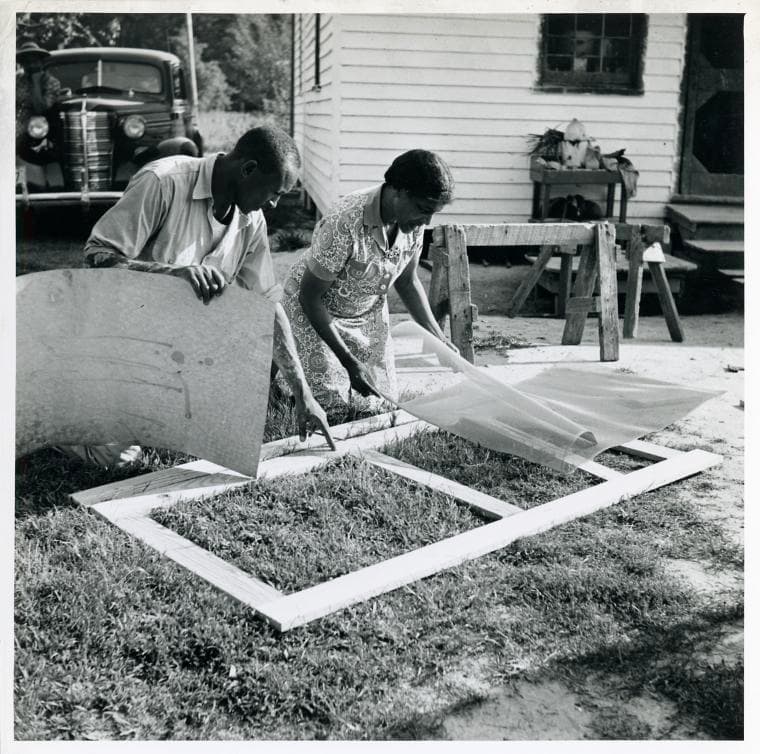
Know what tears screens
Phifer puts the problem bluntly: keeping bugs out is nearly impossible if your screens are ripped from anxious pets, rambunctious children, or harsh weather.[3] In most houses the damage clusters in a few places:
- The sliding patio door. It gets the most traffic, and pets and people push on it.
- Low windows where a dog watches the street or a cat climbs.
- Screens that are forced. A window that sticks or a screen whose clips are missing gets pushed, pulled and bent.
- Old mesh. Time and weather wear mesh down, so it tears more easily when something touches it.
Check them every spring
Phifer says: "Spring is the best time to conduct a thorough inspection of your window and door screens."[1] It adds that regular checks can help you identify any damage caused by storms, pests or general wear and tear,[1] so a second look after a big storm is worthwhile.
While you check, look for any rips, holes or warps in the screen material,[1] loose spline at the corners, and frames that no longer sit square in the window.
Fix small damage before it grows
A small hole is easy to fix and tends to grow if left: loose ends catch on fingers, claws and branches. Phifer's guidance: "Small rips or holes can often be repaired with a screen repair patch or some sewing."[1] When the mesh is torn across a wide area or the frame is bent, a patch will not last. Phifer notes that if the frame is bent or the screen is significantly deteriorated, replacing the whole screen might ultimately be more cost-effective in the long run.[1] For new mesh, see how to rescreen a window screen.
Clean gently
Cleaning is where many screens get stretched or punctured. Marvin's care guide gives a simple method. "Carefully remove the screen and lay it on a flat, clean area."[7] Then: "Remove any dust by lightly spraying the screen with water from a hose or vacuuming with a soft brush extension."[7] Finally: "Instead of drying with a cloth, let the screen air-dry completely before reinstalling."[7]
Match the cleaner to the mesh. Phifer's rule: "Rinse metal products with water only. Clean vinyl products with a mild soapy solution, avoiding hard scrubbing."[5] Skip the pressure washer and stiff brushes; they can stretch mesh or push it out of the spline.
Keep the hardware working
A screen that sits snug is not flexing in the wind or getting pushed out by hand. Marvin's yearly checklist includes: "Check energy panels and storm and screen combinations to make sure screws and turn buttons are securely fastened."[7] Replace missing clips, springs and pull tabs so you can remove a screen by its tab instead of pushing on the mesh.
Sliding screen doors tear when they drag. Phifer recommends: "Use a silicone-based lubricant for best results and apply it to hinges, window tracks and door rollers."[1] Vacuum grit out of the track first. A push bar or grille across the lower half of a screen door also gives hands and paws somewhere to push other than the mesh.
Use tougher mesh where it takes a beating
Where a pet or child keeps tearing the same screen, stronger mesh is a better fix than repeated patches. Phifer's PetScreen is made from vinyl-coated polyester which helps withstand clawing, scratching, and even the most zealous game of chase.[4] Phifer says its TuffScreen is three times stronger than standard fiberglass, and won’t need to be replaced nearly as often.[3] For a busy door where you want a clearer view, there is also stainless steel, which Phifer recommends for high-traffic areas.[6] You do not need to rescreen the whole house: upgrade the patio door and the low windows pets use, and keep standard mesh elsewhere.
Why intact screens matter
A torn screen lets in the insects it is there to stop. The EPA's advice for keeping mosquitoes out is short: "Make sure window and door screens are "bug tight.""[8] A few minutes each spring is cheaper than a summer of bites.
Stop and call a pro if
- Frames are bent, corners are cracked, or several screens no longer fit their windows.
- A sliding screen door's rollers or frame are damaged, or the door will not stay on its track.
- The window sash or frame behind the screen is soft, rotted or will not open and close.
- Screens on upper floors can only be reached from a ladder against the house.
Getting help
If screens need more than upkeep, read what rescreening costs in Virginia, browse screen repair businesses, find handyman businesses around Blacksburg, or see the other exterior answers. For a porch, see whether to rescreen it yourself or hire someone. To get it done, describe the screen or window repair once and local businesses will quote it.
Common questions
- What is the strongest window screen for pets?
- Look at vinyl-coated polyester screens made for pets, such as Phifer's PetScreen and TuffScreen. Phifer says TuffScreen is three times stronger than standard fiberglass and installs just like regular screening.
- Can I pressure wash window screens?
- It is better not to. High pressure can stretch or tear mesh and push it out of the spline. Marvin's care guide has you lightly spray the screen with a hose or vacuum it with a soft brush attachment and let it air-dry.
- Should I take window screens down for winter?
- It is up to you. Taking them down can spare them from snow, ice and wind; if you do, store them upright or flat where nothing leans on the mesh, and check each one over before it goes back up in spring.
- Why does my screen keep popping out of the window?
- Usually a missing or loose clip, spring or turn button, or a frame that has bent. Marvin's checklist has you make sure screws and turn buttons on screen combinations are securely fastened. A bent frame often needs a new screen.
- Is a small hole in a screen worth fixing?
- Yes. Small holes let insects in and tend to grow when something catches on the loose ends. Phifer says small rips or holes can often be repaired with a screen repair patch or some sewing.
Sources
- [1] Ultimate “Spring” Home Maintenance Tips: Ensuring Your Windows and Doors Are Season-Ready, Phifer Incorporated. Checked October 26, 2026.
- [2] Door & Window Screening Replacement Guide, Phifer Incorporated. Checked October 26, 2026.
- [3] TuffScreen Heavy-Duty Mesh Screen, Phifer Incorporated. Checked October 26, 2026.
- [4] Pet-Proof Your Home: The Best Window and Door Screens for Pet Owners, Phifer Incorporated. Checked October 26, 2026.
- [5] Insect Screening FAQ, Phifer Incorporated. Checked October 26, 2026.
- [6] Insect Screening Materials, Phifer Incorporated. Checked October 26, 2026.
- [7] Caring for Your Windows and Doors, Marvin. Checked October 26, 2026.
- [8] Success in Mosquito Control: An Integrated Approach, U.S. Environmental Protection Agency. Checked October 26, 2026.
Want a pro to handle it?
Describe the job once. Licensed local businesses send quotes, and you pay only when you book one.
Get a quote for Roofing