How do I keep my yard's grade sloping away from the house?
Keep a yard sloping away from the house by checking it after heavy rain, cleaning gutters at least once a year, fixing small dips near downspouts early and keeping soil and beds below the siding. The Northern Virginia district recommends at least a six-inch drop over ten feet. A sunken strip along a wall, standing water or a damp basement is a job for a licensed pro.
Free to ask. Local shops send quotes, and you pay only when you book one.
By Kasra Taheri, Founder, LoclisPublished
Researched and drafted with AI, then checked claim by claim against the sources listed below before it was published. Prices and rules change; the dates beside each source say when it was last checked.
This is a job for a licensed pro in Virginia
This page explains what the work involves, the permits, what a licensed pro does and what drives the cost. It does not give step-by-step instructions, because this work needs a licence, a permit or both, and doing it wrong can injure someone. Before you hire, check the licence on Virginia's DPOR record.
Keep the grade by checking it a few times a year, stopping roof water from digging at the soil, and having settled spots corrected early. The Northern Virginia Soil and Water Conservation District recommends that the ground around a house slope away from foundation walls, ideally at least a 5% grade for ten feet, with at least a six-inch drop over those ten feet.[4] Grading rarely stays perfect on its own, because soil settles, gutters overflow and landscaping changes the shape of the yard.
Why grade slips over time
Soil next to a foundation was backfilled when the house was built, and fill that was poorly compacted keeps settling. The district says that over several years the soil settles and causes a depression or hole,[6] and it notes that fill placed in a depression is likely to compact and settle over time.[6] Roof water is the other big cause: when it rains hard, an average sized home can experience hundreds of gallons of runoff coming from the roof.[2] If downspouts and sump pumps are not set up correctly, that water can cause foundation problems, erosion or wet spots in the yard.[2]
A routine that keeps the slope working
None of this needs equipment. It is a habit of looking.
Look after heavy rain. Walk the perimeter and note where water stood or flowed toward a wall. A dip that held water this month will hold more next month. Photograph it so you can compare later.
Keep the gutters doing their job. The district advises that gutters should be cleaned free of debris at least once a year, more often if trees are close to the house.[2] Streaks or watermarks on gutters and downspouts, and erosion along the drip line, are signs that gutters are overflowing when it rains.[2] Downspout extensions can direct flow further from the house.[2]
Watch the downspout landing zones. Bare, scoured or sunken soil where a downspout lands is the first place the grade fails. The district says you may need to fill in depressions that have formed near the downspout.[2] A small dip there is a minor repair; a long dish along a wall is not.
Keep soil, mulch and beds below the siding. Building up beds against the house can flatten or reverse the slope and hold moisture against the wall. Leave a visible band of foundation between the soil and the siding or trim.
Watch what you add. New patios, walks, raised beds and fences can block the path water used to take. The district says swales or other flow diversions between neighboring houses should be properly graded so that runoff does not stagnate on your property.[7] Check before building across a drainage path, and check the locality's rules too.
Signs the grade needs a professional
Standing water that stays for days is the clearest sign. Wet areas that persist for several days after rain or snow are commonly caused by improper grading (low spots or depressions) or poor infiltration of water into the soil.[7] Also act on a sunken strip along a wall, water in the basement or crawlspace, or new cracks. The district says wet basements and wall or foundation cracking can have serious consequences for your home's structural integrity and your health, and should be addressed right away.[3] See what cracks in a foundation mean and how to keep water away from the foundation.
When to call a licensed pro
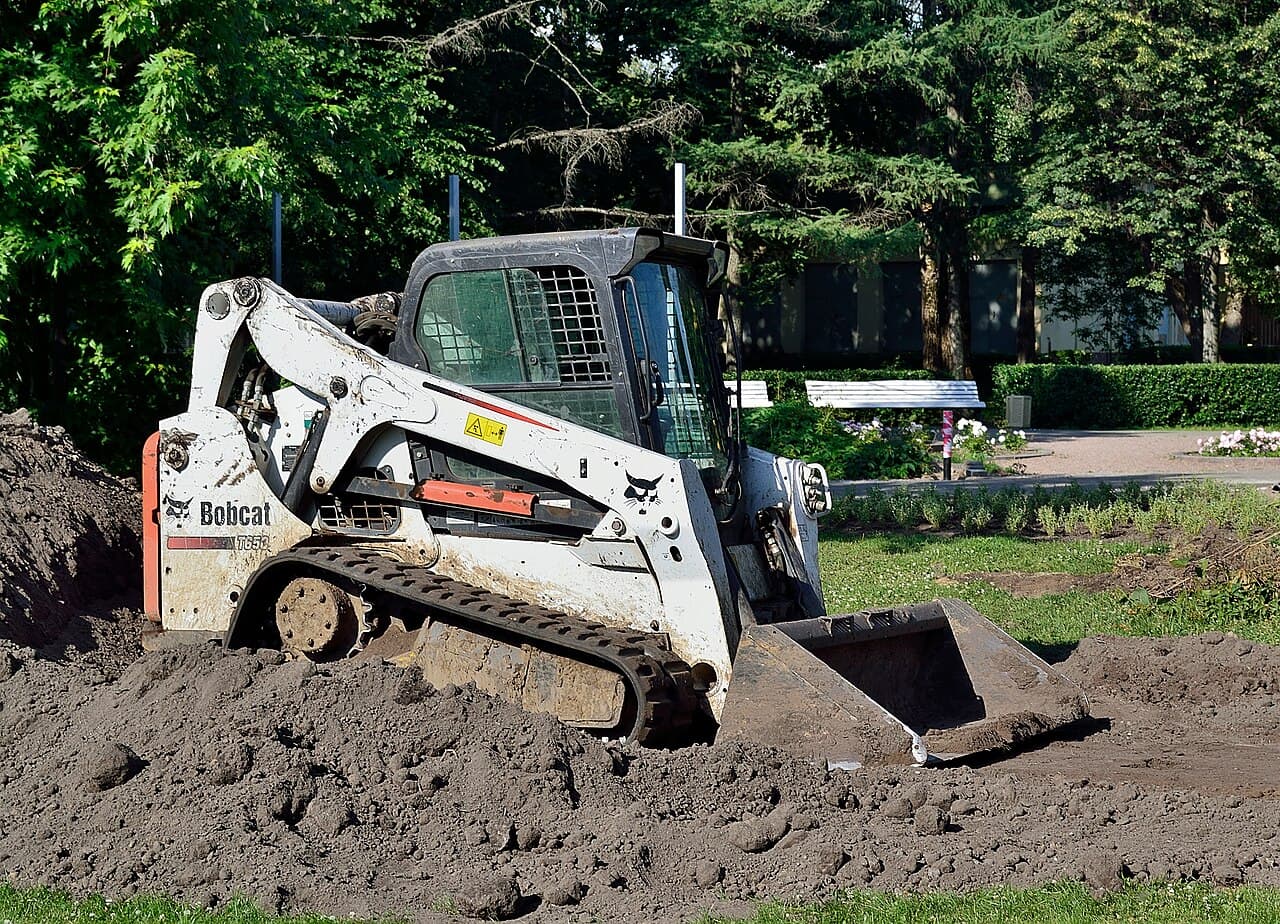
Hire a pro for anything beyond filling a small dip by a downspout: a slope that runs toward the house, a large or steep area, water in the house, or runoff that crosses a property line. Regrading is excavation under Virginia's utility damage prevention law, which defines excavation to include grading, trenching and digging,[8] so a locate request is required first; see do I need to call 811 before digging in Virginia.
Virginia's Board for Contractors defines a landscape service contracting specialty that covers altering a land area by excavation, clearing and grading, including removing stumps and roots below grade.[9] Check the licence on DPOR's License Lookup before you sign.[1] Ask for the finished slope, the fill and compaction method, and where the water will end up in a written quote. Redirected water must go somewhere safe: the district says to send it to a suitable outlet, because redirecting runoff without soaking it into the soil can negatively impact neighboring properties.[5] The job itself is described in how a yard is regraded, and the price drivers in how much yard grading costs in Virginia.
Loclis lists licensed Virginia businesses by category. Browse excavation and grading services or read more excavation answers. To get quotes for your own yard, describe the job once.
Common questions
- How often should I check the grade around my house?
- A look after heavy rain and a walk-around each spring and fall is usually enough. Watch for standing water, sunken soil along walls and bare patches where downspouts land. The district's guide recommends gutters be cleaned at least once a year, more often near trees.
- What slope should I aim for?
- The Northern Virginia Soil and Water Conservation District recommends ideally at least a 5% grade for ten feet from the foundation, a drop of at least six inches over those ten feet. A positive grade slopes away from the house.
- Can I add soil around the foundation myself?
- A small dip beside a downspout is minor, and the district says you may need to fill in depressions that form there. Anything larger, or any change that sends water toward a neighbor, belongs to a licensed contractor, and a locate request to 811 comes first when digging.
- Do gutters really affect the grade?
- Yes. Overflowing gutters and badly placed downspouts wash soil away at the wall and create the low spots that hold water. The district lists them among the possible causes of wetness or erosion near foundation walls.
- Should I regrade before or after landscaping changes?
- Before, if the changes will cover a drainage path. A patio, walk or raised bed can block the way water leaves the yard, so ask a contractor to check the slope first and keep water going to a suitable outlet.
Sources
- [1] License Lookup, Virginia Department of Professional and Occupational Regulation. Checked October 28, 2026.
- [2] Gutters and Downspouts: Wetness or Erosion Problems, Northern Virginia Soil and Water Conservation District, Fairfax County. Checked October 28, 2026.
- [3] Solving Drainage and Erosion Problems: A Guide for Homeowners, Northern Virginia Soil and Water Conservation District, Fairfax County. Checked October 28, 2026.
- [4] Glossary - Solving Drainage and Erosion Problems, Northern Virginia Soil and Water Conservation District, Fairfax County. Checked October 28, 2026.
- [5] Control Heavy Runoff - Solving Drainage and Erosion Problems, Northern Virginia Soil and Water Conservation District, Fairfax County. Checked October 28, 2026.
- [6] Sinkhole - Solving Drainage and Erosion Problems, Northern Virginia Soil and Water Conservation District, Fairfax County. Checked October 28, 2026.
- [7] Wet Yard - Solving Drainage Problems, Northern Virginia Soil and Water Conservation District, Fairfax County. Checked October 28, 2026.
- [8] Va. Code § 56-265.15, Definitions; calculation of time periods, Code of Virginia, Virginia General Assembly. Checked October 28, 2026.
- [9] 18VAC50-22-30, Definitions of specialty services, Virginia Administrative Code, Board for Contractors. Checked October 28, 2026.
Want a pro to handle it?
Describe the job once. Licensed local businesses send quotes, and you pay only when you book one.
Get a quote from a local pro