How do I make a punch list before closing on a house?
Walk the house room by room with the inspection report and the purchase contract in hand, and write down every item that is unfinished, damaged or not working, with its location and a photo. Mark which items the contract says get fixed before settlement, ask for receipts for that work, then recheck each one on the final walk-through before you sign.
Free to ask. Local shops send quotes, and you pay only when you book one.
By Kasra Taheri, Founder, LoclisPublished
Researched and drafted with AI, then checked claim by claim against the sources listed below before it was published. Prices and rules change; the dates beside each source say when it was last checked.
Step by step
Read when to stop and call a pro, further down this page, before you start.
Step 1: Gather the paperwork
Print the purchase contract, the home inspection report, any repair addendum and, for a new home, the builder's own walk-through list.
Step 2: Pack a simple kit
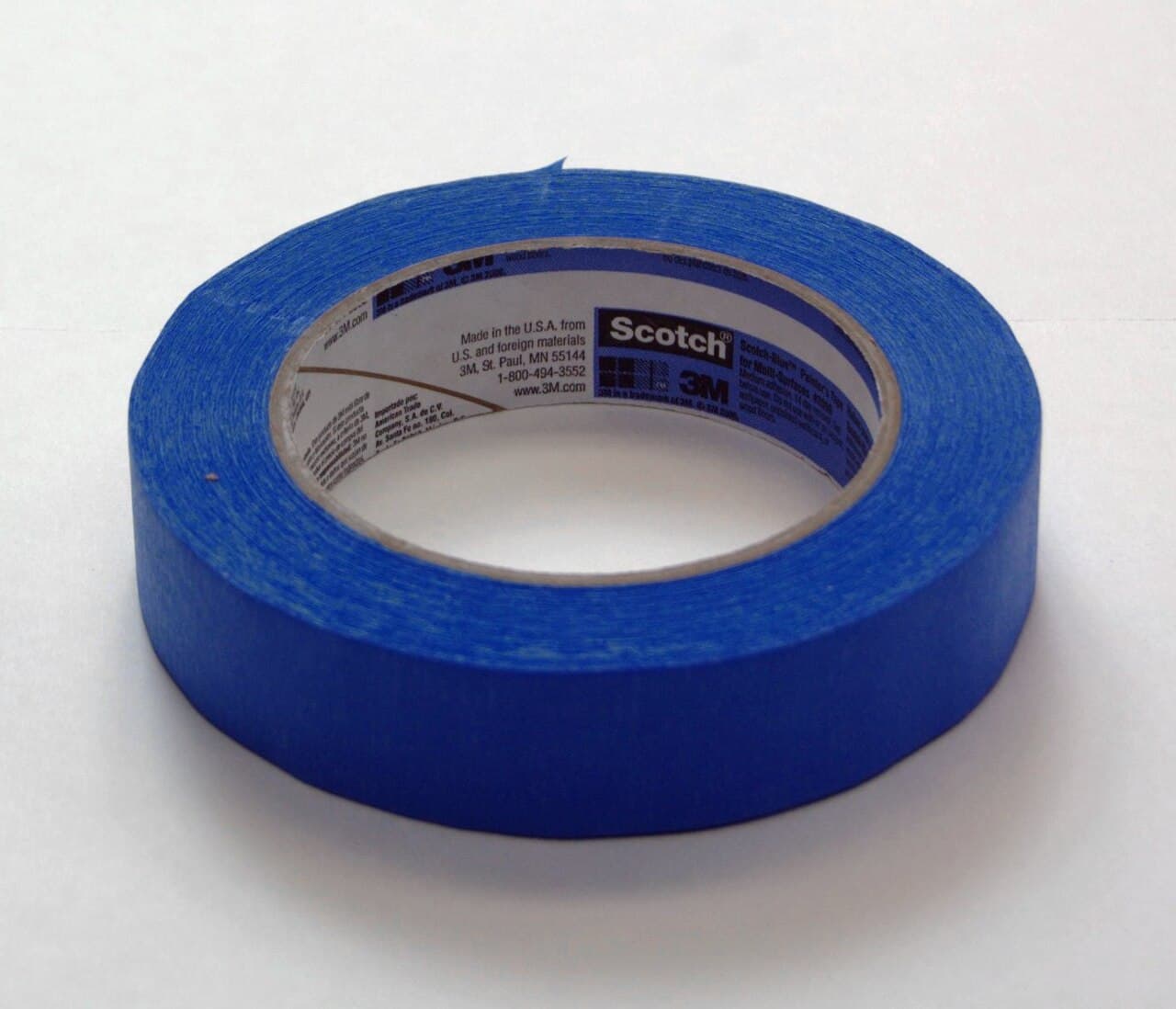
Bring a phone for photos, a notepad, a small roll of painter's tape and a phone charger or night light to try the outlets.
Step 3: Start outside
Walk the outside first: ground sloping away from the walls, downspouts that empty away from the house, siding, trim, caulk, paint, walks and the driveway.[8]
Step 4: Go room by room
In each room look at the ceiling, walls and floor, then the doors, windows, trim, cabinets and every light and switch, always in the same order.
Step 5: Run the water
Run every faucet hot and cold, fill and drain each sink and tub, flush each toilet, and look in the cabinet underneath for drips.
Step 6: Work every moving part
Open, close, latch and lock every door, window, drawer and cabinet door, and note anything that sticks, rubs or will not stay shut.
Step 7: Try what is powered
Switch on lights, fans, appliances, heat and air conditioning, and press the test button on smoke alarms; never open a panel or a fixture.
Step 8: Flag cosmetic flaws
On a new home, ask the builder first, then mark each ding, nail pop or paint miss with a small piece of painter's tape so it can be found again.
Step 9: Write one line per item
Write each item as room, exact spot, what is wrong and what fixed looks like, with the photo number beside it.
Step 10: Sort the list
Put safety and water items first, then the repairs the contract covers, then cosmetic items, so the important ones are not lost in the touch-ups.
Step 11: Send it in writing
Send the list to your agent or the builder by email or letter, keep a dated copy, and ask for receipts and contractor names for each repair.
Step 12: Recheck before you sign
On the final walk-through, tick off each item in person and do not sign a completion certificate until the agreed work is done.[7]
Make the list in one slow, systematic walk through the house: outside first, then every room in the same order, with the inspection report and the purchase contract in hand. Write each problem as one line with the room, the exact spot, what is wrong and a photo. Then sort the list, send it in writing, and check every line again on the final walk-through before you sign.
Why the list matters in Virginia
On a resale home, the seller's disclosure works against you if you skip this. Under Virginia's Residential Property Disclosure Act, the statement the seller gives you says "the owner makes no representations or warranties as to the condition of the real property" and advises buyers to do their own due diligence, "including obtaining a home inspection," as the contract allows, "but in any event prior to settlement."[1] The federal consumer bureau gives the same advice in plain words: "Get your inspection before you are finally committed to buy the home."[6]
So the punch list has two jobs. Before the contract's inspection deadline, it is how you ask for repairs. Before settlement, it is how you confirm those repairs happened.
Start from the inspection report
It is unlawful for anyone without a Virginia home inspector licence to perform a home inspection,[3] and state rules set what the written report covers. Among other things, it must describe the readily accessible interior walls, ceilings and floors; countertops and installed cabinets, including hardware; doors and windows; plumbing fixtures and faucets; and installed lighting fixtures, switches and receptacles.[4] That makes the report a ready-made skeleton for your list: copy each defect it names onto your list, then add what you find yourself.
For a new home, Virginia issues a new residential structure endorsement to home inspectors who complete a training module based on the International Residential Code part of the Uniform Statewide Building Code.[5] When an inspector with that designation inspects a new house, the report shows the inspector's licence number followed by "NRS".[4]
What to look at
Outside. Northern Virginia's soil and water conservation district puts the rule simply: "Land around your house should slope away from foundation walls."[8] It adds: "Ideally, a 5% grade should be maintained for a distance of ten feet around your home."[8] Look for low spots against the foundation, downspouts that dump next to the wall, loose or missing siding and trim, open caulk joints, cracked walks and peeling paint.
Each room. Ceilings for stains and cracks, walls for dings, nail pops and paint misses, floors for scratches, gaps and soft spots. Doors should swing without rubbing and latch on their own. Windows should open, close and lock. Cabinet doors should line up and drawers should run smoothly.
Kitchen and baths. Run every faucet hot and cold, drain every sink and tub, flush every toilet and look underneath for drips. Check the caulk where tubs, showers and counters meet the wall.
Things with power. Try every switch and light, each appliance, and the heat and air conditioning. The state's inspection rules carry this recommendation: "It is recommended that a home have smoke alarms on each level of the dwelling and in every bedroom or sleeping area."[4] Testing is as far as a buyer goes; nobody on a walk-through should open a panel or a fixture.
How to write each line
A good line can be handed to a stranger and fixed without a phone call: "Primary bath, left sink: drain drips at the slip nut, cabinet floor wet (photo 14)." Avoid "fix the bathroom." Give each item a number, and keep the photo numbers beside them.
Sort the finished list into three groups: safety and water first, then the repairs your contract or repair addendum covers, then cosmetic touch-ups. A long list of paint dings should not bury a leaking supply line.
New construction: the builder's walk-through
On a new home the builder usually schedules a walk-through before closing, and the list you make there is the one the builder works from. The Board for Contractors' advice applies to any construction job: "Never sign a completion certificate until all the work called for in the contract has been properly completed."[7]
Items that show up after you move in are not lost. Virginia's implied warranty on a new home runs one year from the date title transferred or you took possession, whichever came first, and five years for structural defects in the foundation.[2] See what to check before the builder's warranty runs out and why new houses have so many punch-list items.
The final walk-through
Bring the list, not your memory. Tick each item in person, and ask for an invoice or receipt for every repair, with the name of the business that did it. Repairs to wiring, pipes or heating and cooling are trade work: in Virginia, no individual may do electrical, plumbing or HVAC work for the public for pay without a tradesman licence unless working under a licensed tradesman in that specialty.[9][10] For a resale, read who should fix the items on a home inspection report.
Stop and call a pro if
- You find water where it should not be: a ceiling stain, a wet cabinet floor, damp basement walls or water pooling against the foundation.
- You smell gas, or an outlet, switch or panel cover is warm, buzzing or scorched.
- Doors across a whole floor stick at once, floors slope, or a foundation crack looks new.
- The house was built before 1978 and a repair will sand, scrape or cut painted surfaces; the EPA's rule requires anyone paid to disturb painted surfaces in homes built before 1978 to be certified in lead-safe work practices.[11]
Getting the list done
If the list is yours to fix after closing, put the whole thing in one request so one visit covers as much as possible; see how to write a handyman to-do list so it is quoted right. You can browse punch-list services, find handyman businesses around Blacksburg, or read the other handyman answers. When you are ready, describe your punch list once and local businesses quote it.
Common questions
- What is a punch list when buying a house?
- It is a written list of the things in the house that are unfinished, damaged or not working, each with its location and what fixed looks like. On a new home it goes to the builder; on a resale it usually comes out of the inspection and the repairs the seller agreed to.
- When should I make the punch list?
- Make the first version from the home inspection, while the contract still lets you ask for repairs, and the second at the builder's walk-through or a few days before settlement. Recheck it on the final walk-through.
- Is the final walk-through the same as a home inspection?
- No. A home inspection in Virginia is done by a licensed home inspector and produces a written report. The final walk-through is your own check that the house is in the condition the contract promises and that agreed repairs were done.
- Should I bring my home inspector to the final walk-through?
- You can ask, and some inspectors offer a re-inspection of repaired items for a fee. On a new home, look for an inspector whose licence carries the NRS designation for new residential structures.
- What if repairs are not done by closing day?
- Tell your agent in writing before you sign anything. What happens next, such as a delay, money held back or a credit, depends on your contract, so ask your agent or a real estate attorney before settlement.
- Can I use painter's tape to mark problems in a new house?
- Many builders accept it, but ask first. Use a low-tack painter's tape, keep the pieces small, and pair each one with a line on your written list, since tape alone gets pulled off by the crews.
Sources
- [1] Va. Code § 55.1-703, Required disclosures for buyer to beware; buyer to exercise necessary due diligence, Code of Virginia, Virginia General Assembly. Checked October 27, 2026.
- [2] Va. Code § 55.1-357, Implied warranties on new homes, Code of Virginia, Virginia General Assembly. Checked October 27, 2026.
- [3] 18VAC15-40-20, Licensure (Home Inspector Licensing Regulations), Virginia Administrative Code, Virginia General Assembly. Checked October 27, 2026.
- [4] 18VAC15-40-130, Home inspection report, Virginia Administrative Code, Virginia General Assembly. Checked October 27, 2026.
- [5] Va. Code § 54.1-517.2, Requirements for licensure (Home Inspectors), Code of Virginia, Virginia General Assembly. Checked October 27, 2026.
- [6] Your home loan toolkit (2015), Consumer Financial Protection Bureau. Checked October 27, 2026.
- [7] What You Should Know Before You Hire a Contractor (2017), Virginia Board for Contractors, DPOR. Checked October 27, 2026.
- [8] Gutters and Downspouts: Wetness or Erosion Problems, Northern Virginia Soil and Water Conservation District, Fairfax County. Checked October 27, 2026.
- [9] Va. Code § 54.1-1129, Necessity for licensure (Tradesmen), Code of Virginia, Virginia General Assembly. Checked October 27, 2026.
- [10] Va. Code § 54.1-1128, Definitions (Tradesmen), Code of Virginia, Virginia General Assembly. Checked October 27, 2026.
- [11] Lead Renovation, Repair and Painting Program, U.S. Environmental Protection Agency. Checked October 27, 2026.
Want a pro to handle it?
Describe the job once. Licensed local businesses send quotes, and you pay only when you book one.
Get a quote from a local pro