Is it worth hiring someone to hang Christmas lights?
It is worth it when the eave is higher than a single storey, the roof is steep, you need power run to the display, or you do not want to spend a weekend on a ladder. For a single-storey gutter line you can reach from level ground, hanging them yourself is realistic, as long as you stay clear of overhead lines.
Free to ask. Local shops send quotes, and you pay only when you book one.
By Kasra Taheri, Founder, LoclisPublished
Researched and drafted with AI, then checked claim by claim against the sources listed below before it was published. Prices and rules change; the dates beside each source say when it was last checked.
Step by step
Read when to stop and call a pro, further down this page, before you start.
Step 1: Look at the height
Stand back and count storeys. A single-storey eave you can reach from a ladder on level ground is within reach; anything higher is not.
Step 2: Look up for lines
Find the service wire and any other overhead line. A ladder may not be placed within 10 feet of an overhead high voltage line unless the danger has been guarded against.[3]
Step 3: Count your time
Estimate how long it takes to hang the display, test it, and take it down. If that is more than you want to spend, hire.
Step 4: Ask two or three companies
Ask for written bids for the same job, as the Board for Contractors advises.[1]
Step 5: Compare bids with your own cost
Set the total beside lights, clips, cords and your time, and decide which is worth it to you.
Step 6: Sign only a complete agreement
Check the dates, what is included and the payment terms before you agree.[1]
It is worth hiring someone to hang Christmas lights when the work is higher than a single-storey eave, when the roof is steep or near overhead lines, when you need power run to the display, or simply when you would rather not spend a cold weekend on a ladder. For a plain single-storey gutter line, doing it yourself is realistic.
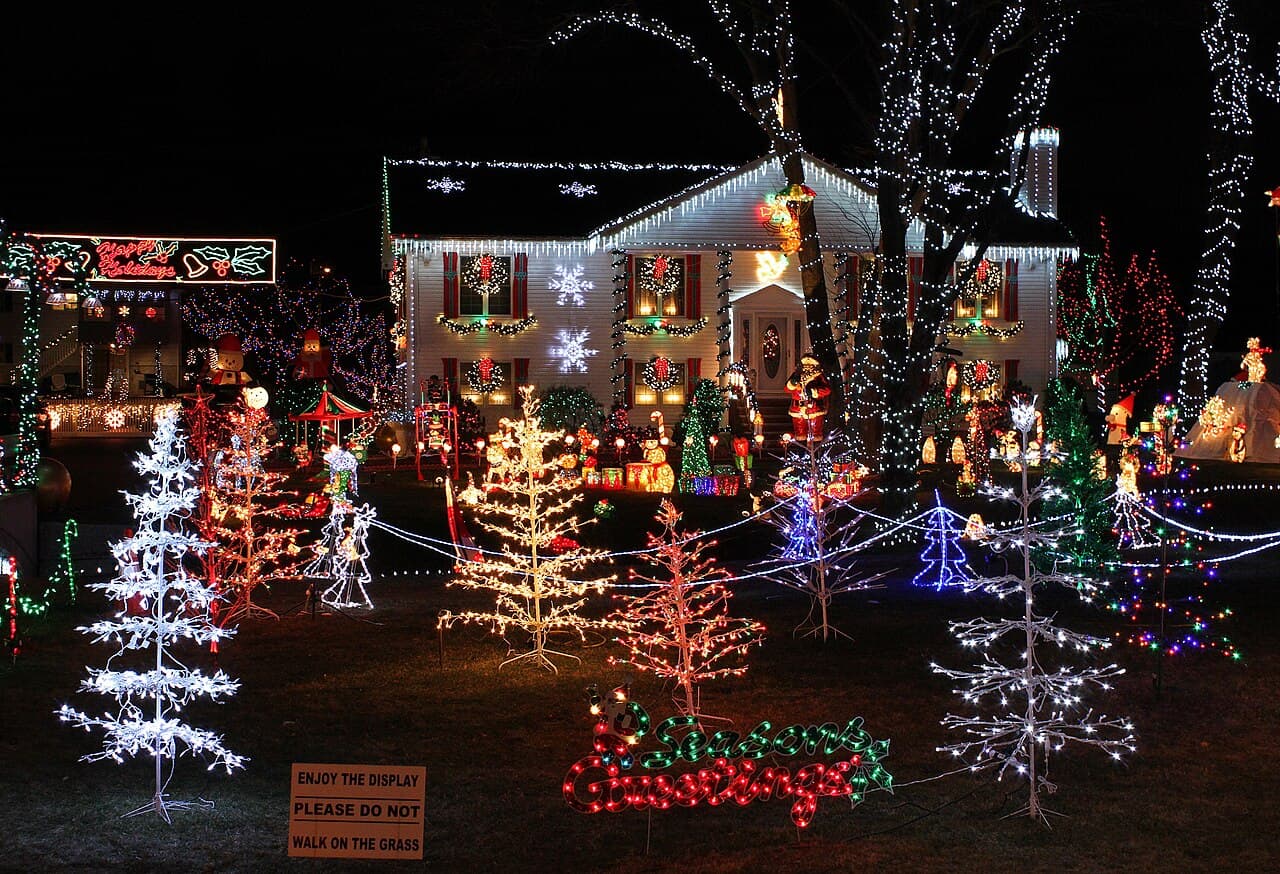
When hiring is worth it
The eave is high. The risk in this job is the ladder, and it grows quickly with height. A second-storey gutter or a steep roof is the case where a company with long ladders, lifts and the habit of doing it daily is worth the fee.
The weather is poor. Ladder rules are plain about it. Virginia Commonwealth University's program says not to set up or use a ladder outdoors in "wind speeds exceeding 20 miles per hour" or on "slippery surfaces such as snow, ice, or oily deposits".[2] Late November and December give you few days that qualify.
There are overhead lines. Virginia law prohibits placing a ladder or a person "within 10 feet (3.1 meters) of any overhead high voltage line" unless the danger has been guarded against.[3] If the eave is near the service wire, leave it to someone who handles that.
You want a bigger display. Trees, rooflines and a timer-controlled layout take planning, and a good company does that for you and takes it down again.
You will not take it down. Many people put lights up and leave them. A company that stores them and returns on a set date removes that.
When doing it yourself is fine
A single-storey run, firm and level ground, no overhead line near the eave, and a plain string on clips is a job most people can finish in an afternoon. Our guide to hanging lights along the gutters covers the setup and ladder rules. You keep the lights, and the main cost is your time.
How to hire well
Ask for written bids on the same job. The Board for Contractors advises "at least three written bids or estimates using identical plans and specifications".[1] What a company charges is covered in how much professional installation costs, and the main thing to learn is what each bid includes: lights, repairs, takedown, storage.
Do not rely on a licence number alone, and check it with DPOR. Electrical work is a regulated trade: Virginia defines a tradesman as someone working for the public "in the trades of electrical, plumbing and heating, ventilation and air conditioning".[4] If a company proposes new outdoor wiring, ask for a licensed electrician's name and check it with DPOR.
Do not sign anything unfinished: "Never sign a blank or partially blank contract."[1]
Stop and call a pro if
- You would have to step onto the roof or lean out from the ladder to reach.
- The eave is within reach of an overhead line.[3]
- The ground or the weather is unsafe for a ladder.[2]
- You need a new outdoor outlet or any change to the home's wiring: that is an electrician's job.[4]
Next
Browse holiday lighting and more snow and seasonal answers.
When you want it done, describe the job and local businesses quote it.
Common questions
- What is the biggest reason to hire?
- Height and risk. A fall from a ladder is the real danger in this job, and a second-storey eave or a steep roof is where a company with the right equipment earns its fee.
- What is the biggest reason not to?
- If your gutters are at one storey and the display is simple, a weekend and a few clips will do it, and you keep the lights. Hanging is the easy part of a hired job.
- Do installers need a contractor licence?
- Not necessarily for hanging lights. Anything that touches the home's wiring, such as a new outdoor outlet, is electrical work that Virginia reserves for a licensed electrician, and it is a different job from hanging.
- What should I ask before hiring?
- Who supplies the lights, whether takedown and storage are included and dated, what happens when a string fails, whether the company carries insurance, and how it handles the ladder and overhead lines.
- Can I hire just for takedown?
- Many companies do. Taking lights down is the same ladder work in worse weather, so a takedown-only visit can be the part worth paying for.
Sources
- [1] What You Should Know Before You Hire a Contractor, Virginia Board for Contractors, DPOR. Checked October 27, 2026.
- [2] Portable Ladder Safety Program, Virginia Commonwealth University, Safety and Risk Management. Checked October 27, 2026.
- [3] Va. Code § 59.1-408, Prohibited activities (Overhead High Voltage Line Safety Act), Code of Virginia, Virginia General Assembly. Checked October 27, 2026.
- [4] Va. Code § 54.1-1128, Definitions (Tradesmen), Code of Virginia, Virginia General Assembly. Checked October 27, 2026.
Want a pro to handle it?
Describe the job once. Licensed local businesses send quotes, and you pay only when you book one.
Get a quote from a local pro