Should I get weekly or biweekly house cleaning?
Choose weekly if you have pets, small children, someone with allergies or asthma, or a busy household that wants the house always guest-ready. Every other week suits most other homes, as long as someone wipes the kitchen daily and vacuums in the off week. Weekly visits may be quoted lower per visit but add up to more per month, so price both.
Free to ask. Local shops send quotes, and you pay only when you book one.
By Kasra Taheri, Founder, LoclisPublished
Researched and drafted with AI, then checked claim by claim against the sources listed below before it was published. Prices and rules change; the dates beside each source say when it was last checked.
Step by step
Read when to stop and call a pro, further down this page, before you start.
Step 1: Watch how fast it gets dirty
After a thorough clean, note how many days it takes before the floors, bathrooms and kitchen need attention again.
Step 2: List the weekly must-dos
Write down jobs that need doing every week in your house, such as weekly vacuuming and hot-water bedding for allergies.[1]
Step 3: Decide what you will do yourself
Agree who handles daily kitchen wipe-downs, dishes, clutter and the off-week vacuuming if you choose every other week.
Step 4: Ask for both prices
Ask each business for its weekly and every-other-week price per visit, and the price of any first deep clean.
Step 5: Compare the yearly cost
Multiply the weekly price by 52 and the every-other-week price by 26 so you compare totals, not just visit prices.
Step 6: Ask who employs the cleaner
Ask whether the cleaner works for the business or for you, since a household employee you control can bring tax duties.[4]
Step 7: Ask about insurance
Ask what liability and workers' compensation coverage the business carries and ask to see the certificate.[5]
Step 8: Read the skip and cancel terms
Check how much notice you need to skip, switch frequency or cancel, and what a late cancellation costs.
Step 9: Review after two months
After a few visits, check whether the house stays as clean as you want between visits and change the schedule if not.
Most households fall into one of two groups. Weekly cleaning suits homes that get dirty fast: pets, small children, someone with allergies or asthma, a big household, or people who want the house ready for guests at any time. Every other week suits most other homes, provided someone handles the daily kitchen wipe-down and a vacuum in the off week. Weekly visits may be quoted lower per visit but cost more per month, so ask for both prices before you decide.
Decide by how fast your house gets dirty
The simplest test: after a thorough clean, count the days until the floors look dusty, the bathrooms need a scrub and the kitchen is sticky. If that happens inside a week, every other week will feel like living in a dirty house for half of each cycle. If the house still looks fine at day ten, weekly visits will mostly clean what is already clean.
Some jobs do not wait for the schedule. High-touch surfaces such as tables and countertops may need cleaning daily, or even more often,[3] so no cleaning plan replaces a quick wipe after meals.
When weekly makes sense
Allergies or asthma. EPA's advice for homes with allergy and asthma triggers is to wash bedding in hot water once a week and dry it completely, and to vacuum carpets and furniture every week,[1] using a vacuum with a HEPA filter on carpet and fabric-covered furniture.[1] It also says "people with asthma or allergies should leave the area being vacuumed,"[1] which is easier when a cleaner does it while they are out. If those jobs must happen weekly anyway, a weekly visit takes them off your list.
Pets. Proteins in pets' skin flakes, urine, saliva and hair can trigger asthma in people allergic to animal dander,[1] and hair builds up on carpets and upholstery within days. EPA's suggestions for allergy-prone homes include keeping pets out of the bedroom and off soft furniture,[2] which helps whichever schedule you choose.
Small children and busy households. More people means more floors, more bathrooms used, more spills and more high-touch surfaces.
You want it always ready. If you host often or simply want the house the same every day, weekly is the schedule that delivers it.
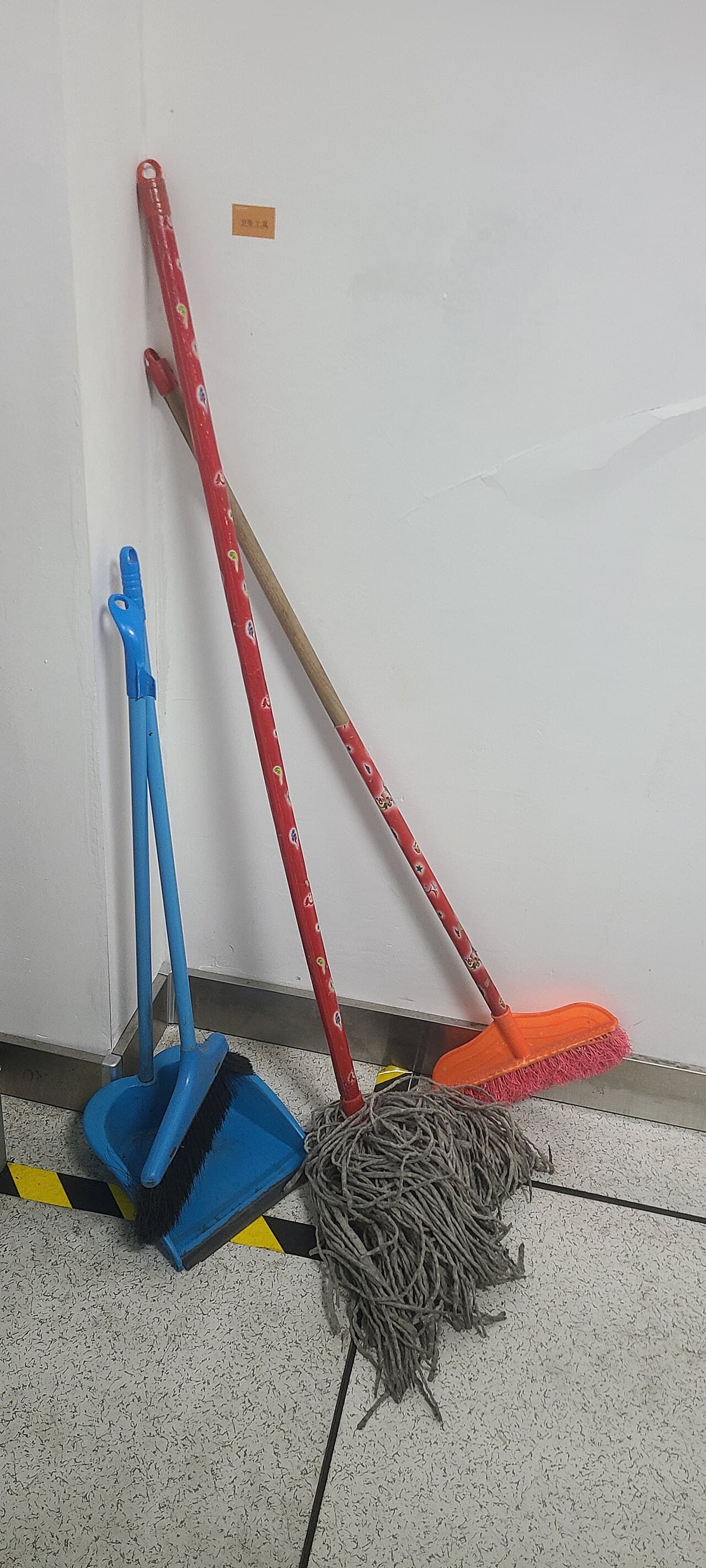
When every other week is enough
Every other week is the common middle for one to three adults without pets or allergies. It works best when the household agrees on the in-between jobs: dishes and counters daily, a quick bathroom wipe midweek, the off-week vacuum and laundry. Without that, the visit spends its first hour catching up, and the price per visit creeps up to cover it.
Monthly visits can work for a small, tidy household that does most weekly jobs itself. See how often to have your house cleaned and the room-by-room weekly, monthly and yearly cleaning schedule.
How the cost compares
A weekly plan is 52 visits a year and every other week is 26. Each weekly visit can be shorter, because there is less built-up dirt, so a business may quote it lower. But twice as many visits rarely cost less in total. Ask each business for its per-visit price at both frequencies, multiply out to a year, and compare. For what moves the price, see what recurring cleaning costs per month in Virginia.
Settle these before you sign up
Who employs the cleaner. The IRS lists housecleaning workers among household workers,[4] and under its rules a cleaner is your employee if you can control not only what work is done but how it is done.[4] By contrast, "a self-employed worker usually provides their own tools and offers services to the general public in an independent business."[4] Social Security and Medicare taxes apply to the wages of a household worker you pay $3,000 or more in cash wages in 2026,[4] and a weekly schedule adds up faster than an every-other-week one.
Insurance. Virginia's Workers' Compensation Act does not count domestic servants as employees,[5] and it also leaves out employees of a business that regularly has fewer than three employees in Virginia, unless they choose to be covered.[5] Ask what the business carries and see the certificate.
What each visit covers. Agree on a written list of tasks, and which extras rotate in. See what a regular visit usually covers.
Skipping, switching and cancelling. Ask how much notice you need to skip a visit, change frequency or stop, and what a late cancellation costs. Virginia law requires a seller of a plan that continues until you cancel to give you its cancellation policy and how to cancel in a form you can keep,[6] and to offer a way to cancel at least as easy to use as the way you signed up.[6]
For a full list of questions, see what to ask before hiring a house cleaner.
Try it, then adjust
A practical approach is a first deep clean, then weekly visits for a month or two, then a switch to every other week if the house holds up. Many businesses allow this, but ask first whether the per-visit price changes when you switch.
Stop and call a pro if
- You find mold beyond a small spot, a musty smell or water damage. Fix the moisture source first.
- Allergy or asthma symptoms keep getting worse despite weekly cleaning. Talk to a doctor about triggers, and have heating and cooling equipment checked.
- The house needs work on tall ladders, a hoarding cleanout or biohazard cleanup, which are separate services.
Finding a recurring cleaner on Loclis
Browse recurring cleaning services, look up cleaning businesses around Blacksburg, or read the other cleaning answers. To get quotes at both frequencies, describe the job on Loclis and say you want weekly and every-other-week prices.
Common questions
- Is biweekly cleaning every two weeks or twice a week?
- In house cleaning, biweekly usually means every other week, about 26 visits a year. Because the word can mean either, confirm with the business and make sure the quote says every two weeks or twice a week in plain words.
- Is weekly cleaning worth it for a small household?
- Often not. One or two tidy adults without pets can usually keep a house in good shape with visits every other week, or even monthly, as long as they handle daily kitchen wipe-downs and some vacuuming themselves.
- Can I start weekly and switch to every other week later?
- Usually yes, and it is a sensible way to start: weekly visits bring the house up to standard, then every other week holds it there. Ask how much notice the business needs to change frequency and whether the per-visit price changes.
- Does every other week cost half as much as weekly?
- Not necessarily. A business may quote each every-other-week visit higher than a weekly one because there is more to clean, so the monthly total can be less than weekly but more than half. Price both and compare yearly totals.
- What if someone in the house has asthma?
- Some jobs need doing every week regardless of the cleaning schedule. EPA's advice includes washing bedding in hot water weekly and vacuuming carpets and furniture weekly with a HEPA-filter vacuum, with the person with asthma out of the room. That often tips the choice toward weekly visits.
Sources
- [1] Asthma Triggers: Gain Control, U.S. Environmental Protection Agency. Checked October 27, 2026.
- [2] Care for Your Air: A Guide to Indoor Air Quality, U.S. Environmental Protection Agency. Checked October 27, 2026.
- [3] How to Clean, Sanitize, and Disinfect Surfaces (FST-395NP), Virginia Cooperative Extension, Virginia Tech. Checked October 27, 2026.
- [4] Publication 926 (2026), Household Employer's Tax Guide, Internal Revenue Service. Checked October 27, 2026.
- [5] Va. Code § 65.2-101, Definitions (Virginia Workers' Compensation Act), Code of Virginia, Virginia General Assembly. Checked October 27, 2026.
- [6] Va. Code § 59.1-207.46, Making automatic renewal or continuous service offer to consumer, Code of Virginia, Virginia General Assembly. Checked October 27, 2026.
Want a pro to handle it?
Describe the job once. Licensed local businesses send quotes, and you pay only when you book one.
Get a quote from a local pro