How often should I have my house cleaned?
There is no official schedule. Many households settle on a full clean every week or two, with quick kitchen wipe-downs most days and a deeper clean a few times a year. Clean more often with pets or small children. Where someone has asthma or allergies, EPA's advice includes weekly hot-water bedding washes and weekly vacuuming of carpets and furniture.
Free to ask. Local shops send quotes, and you pay only when you book one.
By Kasra Taheri, Founder, LoclisUpdated
Researched and drafted with AI, then checked claim by claim against the sources listed below before it was published. Prices and rules change; the dates beside each source say when it was last checked.
Step by step
Read when to stop and call a pro, further down this page, before you start.
Step 1: Wipe the kitchen daily
Clean counters, the table and the sink after meals, since high-touch surfaces like these may need daily cleaning.[1]
Step 2: Do the high-touch spots
Wipe door handles, fridge and cabinet handles, light switches and faucets whenever they look grimy or someone has been ill.
Step 3: Wash bedding weekly
Wash sheets and blankets in hot water once a week and dry them completely.[2]
Step 4: Vacuum weekly
Vacuum carpets and fabric furniture every week, with a HEPA vacuum if anyone has allergies.[2]
Step 5: Dust with a damp cloth
Dust often with a damp cloth so the dust stays on the cloth instead of going back into the air.[2]
Step 6: Clean bathrooms weekly
Scrub toilets, sinks, tubs and showers about once a week, and dry wet areas so mold has less chance to grow.
Step 7: Change the furnace filter
Change or clean the heating and cooling filter regularly, following the instructions on the package.[3]
Step 8: Deep clean seasonally
A few times a year, clean inside the oven and fridge, wash windows and blinds, and move furniture to clean behind it.
Step 9: Book heating service yearly
Have a fuel-burning furnace, stove or fireplace inspected and serviced before each heating season by a qualified pro.[4]
There is no official schedule for cleaning a house, so the right answer depends on who lives there and how they live. Many households settle on a full clean every week or two, with quick kitchen wipe-downs most days and a deeper clean a few times a year, then adjust from there. Homes with pets, small children or anyone with asthma or allergies need more: certain jobs weekly, whatever the cleaning service schedule.
Build the schedule from the jobs, not the calendar
Different parts of a house get dirty at different speeds. Virginia Cooperative Extension puts it simply for household surfaces: How often will depend on the surface material and how often the surface is used or touched.[1] Working from that idea gives a schedule that looks like this.
Every day
Kitchen counters, the table and the sink. High-touch surfaces such as tables and countertops may need to be cleaned daily, or even more often.[1] A wipe after meals keeps grease and crumbs from building into a weekend job.
As needed
The other hard, often-touched spots: door handles, fridge and cabinet handles, light switches, faucets, toilets and remote controls. Wipe them when they look grimy, and more often when someone in the house is ill.
Every week
- Bedding. EPA's advice for homes with allergy and asthma triggers is to wash bedding in hot water once a week and dry it completely.[2]
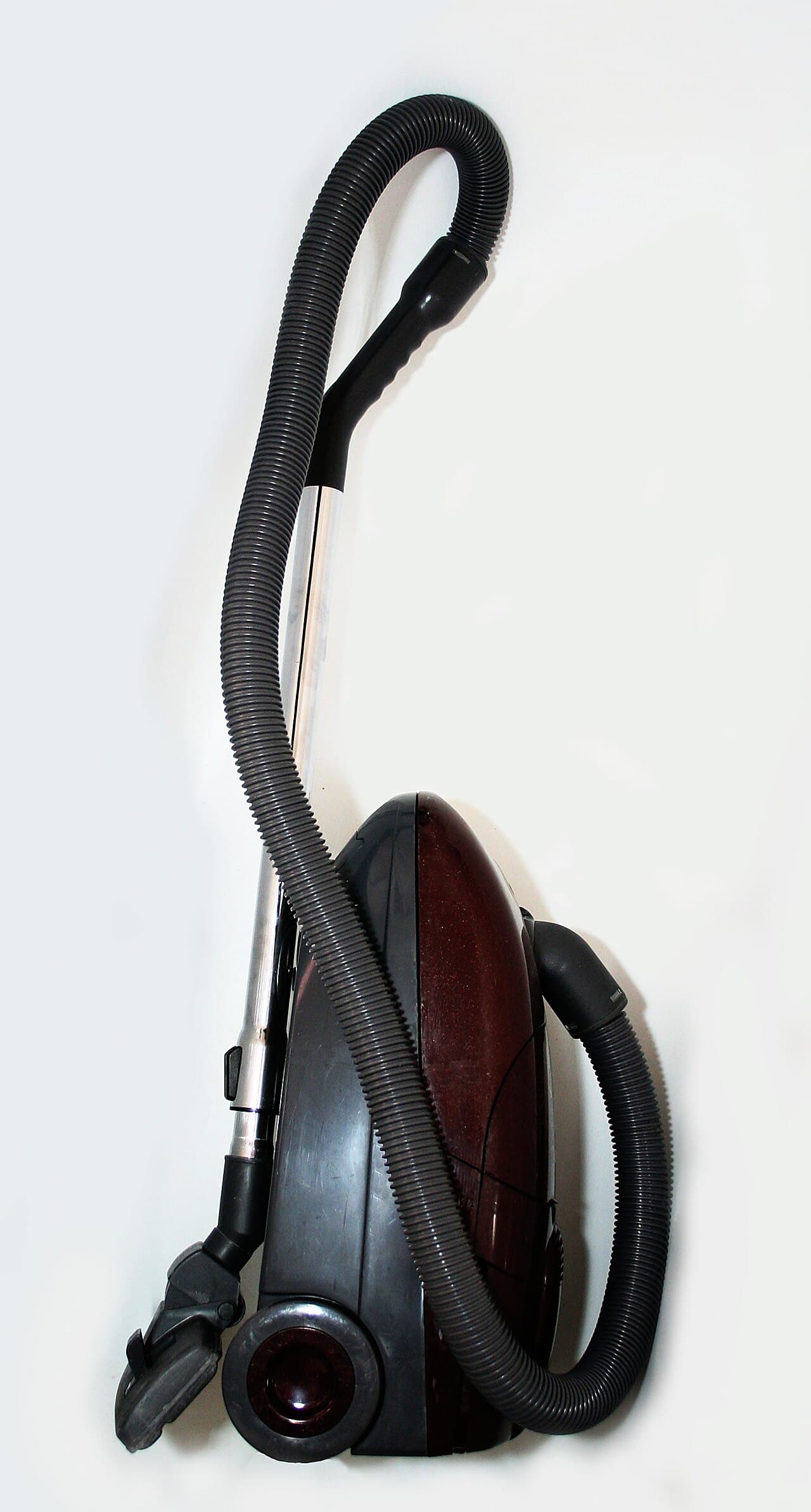
- Carpets and fabric furniture. The same advice says to vacuum carpets and furniture every week,[2] and to use a vacuum with a HEPA filter on carpet and fabric-covered furniture.[2]
- Dusting. EPA's guidance is to dust often with a damp cloth,[2] which picks up dust instead of moving it.
- Bathrooms. Toilets, sinks, tubs and showers about once a week, more often with a big household.
- Floors. Hard floors in the kitchen, entries and bathrooms, which collect the most dirt.
These weekly jobs are what a weekly or every-other-week cleaning service usually covers. If your service comes every two weeks, the bedding and the vacuuming in the off week are yours.
Every month or two
Inside the microwave, the fronts of cabinets and appliances, baseboards, door frames, ceiling fan blades and vents. Check the furnace filter: EPA's guidance is to change or clean the filters regularly, following the instructions on the package.[3] See how often to change a furnace filter for what affects the interval.
A few times a year
A deeper clean: inside the oven and fridge, windows and blinds, behind and under furniture, light fixtures, and closets. Spring and fall are natural times for it in Virginia, when windows open and close for the season. A one-time deep clean from a business is one way to reset a house before switching to a recurring schedule.
Once a year
EPA recommends that a fuel-burning furnace, stove or fireplace be inspected and serviced before each heating season to protect against carbon monoxide poisoning.[4] That is a job for a qualified technician, not a cleaner. Duct cleaning is not on the annual list: EPA does not recommend routine air duct cleaning, only cleaning as needed.[4] The cases it lists include substantial visible mold growth, ducts infested with rodents or insects, and ducts clogged with excessive amounts of dust and debris.[4]
When to clean more often
- Pets. Hair and dander settle into carpets and soft furniture. EPA's advice for allergy-prone homes includes keeping pets out of the bedroom and off soft furniture,[3] which also keeps the bedroom easier to clean.
- Asthma or allergies. Weekly hot-water bedding washes and weekly vacuuming can help,[2] and people with asthma or allergies should leave the area being vacuumed.[2]
- Small children. More spills, more floor time, and more high-touch surfaces.
- Dust that comes back fast. If the house is dusty again a day or two after cleaning, the problem may be the filter or the ducts, not the schedule. See why a house gets dusty so fast.
Picking a cleaning service frequency
- Weekly suits busy households with pets or children, or anyone who wants the house always ready for guests.
- Every two weeks is a middle ground: the house never falls far behind, and you handle daily and some weekly jobs.
- Monthly works for a small, tidy household that keeps up with the basics itself.
Many businesses charge less per visit when they come often, because each visit is lighter. See what house cleaning costs in Virginia and what to ask before hiring a house cleaner before you choose.
Stop and call a pro if
- You find mold, a musty smell, or water damage. Fix the water first: EPA's advice is to dry water-damaged areas and items within 24 to 48 hours to prevent mold growth.[3]
- Your house was built before 1978 and paint is peeling, chipping or flaking. Settled lead dust can re-enter the air when the home is vacuumed or swept,[5] so change how you clean those rooms: wet mop floors and hard surfaces to reduce lead dust, and where you can see dust or debris from chipping or flaking paint, use only a HEPA vacuum and do not dry sweep.[5] Repairing the paint is not a cleaning job: anyone paid to do work that disturbs paint in a home built before 1978 must be certified and trained in lead-safe work practices.[5]
- Your heating equipment has not been serviced this year and it burns gas, oil or wood.
- The house needs work on ladders above head height, such as high windows or a two-storey foyer light.
Getting help on Loclis
You can browse house cleaning businesses, look up cleaning services around Blacksburg, or read the other cleaning answers. To get quotes for a recurring clean, describe the job on Loclis in your own words.
Common questions
- Is every two weeks often enough for a cleaning service?
- For many households, yes, as long as someone does the daily kitchen wipe-downs and keeps up with laundry and clutter between visits. With pets, small children or allergies, weekly visits, or weekly vacuuming between visits, usually keep the house in better shape.
- How often do I need a deep clean?
- There is no set rule. Many people deep clean a few times a year, often in spring and before the holidays, and always when moving in or out. A house on a regular weekly or every-other-week schedule needs deep cleans less often.
- Should I have my air ducts cleaned every year?
- No. EPA does not recommend routine duct cleaning, only cleaning as needed, for example when there is substantial visible mold growth, the ducts are infested with rodents or insects, or they are clogged with dust and debris. What EPA does recommend before each heating season is servicing a fuel-burning furnace, stove or fireplace.
- Does a monthly cleaning make sense?
- It can for a small household that keeps up with daily and weekly basics itself. A monthly visit then covers the bathrooms, floors and dusting thoroughly, while you handle the kitchen, bedding and vacuuming in between.
- What should I clean more often if someone has asthma?
- EPA's advice for homes with asthma triggers includes washing bedding weekly in hot water, vacuuming carpets and furniture weekly with a HEPA vacuum, dusting often with a damp cloth, and keeping pets out of the bedroom. People with asthma or allergies should leave the area while it is vacuumed.
Sources
- [1] How to Clean, Sanitize, and Disinfect Surfaces (FST-395NP), Virginia Cooperative Extension, Virginia Tech. Checked October 26, 2026.
- [2] Asthma Triggers: Gain Control, U.S. Environmental Protection Agency. Checked October 26, 2026.
- [3] The Inside Story: A Guide to Indoor Air Quality (Care for Your Air), U.S. Environmental Protection Agency. Checked October 26, 2026.
- [4] Should You Have the Air Ducts in Your Home Cleaned?, U.S. Environmental Protection Agency. Checked October 26, 2026.
- [5] Reduce the Risk of Lead Exposure at Home, U.S. Environmental Protection Agency. Checked October 27, 2026.
Want a pro to handle it?
Describe the job once. Licensed local businesses send quotes, and you pay only when you book one.
Get a quote from a local pro