What does an electrician look for when lights flicker?
An electrician first works out how widespread the flicker is: one bulb, one fixture or dimmer, one circuit, or the whole house. Then they check bulbs and dimmers, fixture and switch connections, outlets, panel connections, and the service where utility wires meet the house. Loose connections are the main concern, because they can arc and overheat.
Free to ask. Local shops send quotes, and you pay only when you book one.
By Kasra Taheri, Founder, LoclisPublished
Researched and drafted with AI, then checked claim by claim against the sources listed below before it was published. Prices and rules change; the dates beside each source say when it was last checked.
This is a job for a licensed pro in Virginia
This page explains what the work involves, the permits, what a licensed pro does and what drives the cost. It does not give step-by-step instructions, because this work needs a licence, a permit or both, and doing it wrong can injure someone. Before you hire, check the licence on Virginia's DPOR record.
An electrician looks for the loose connection, failing device or overloaded circuit behind the flicker, and the first step is working out where it shows up. One bulb, one fixture, one circuit and the whole house point to different places. A loose connection is the main concern, because it can arc and overheat. The CPSC lists dim or flickering lights, where lights dim or the size of the television picture shrinks often, among its warnings of potential hazards in a home's electrical system.[1]
This is work for a licensed electrician. Below is what a good visit covers, so you can describe the problem well and judge whether the diagnosis is thorough.
The questions an electrician asks first
The visit usually starts with questions, because the pattern narrows the search:
- Which lights flicker: one, one room, several rooms or the whole house?
- Does it happen with a particular event, such as an appliance starting, a dimmer being turned, wind or rain?
- Is it new, or has it been happening for months?
- Are the bulbs LED, and is the fixture on a dimmer?
- Has anything been warm, buzzing, sparking or smelling of burning?
Write these answers down before the electrician arrives. They save time on the clock.
What gets checked, from simplest to most serious
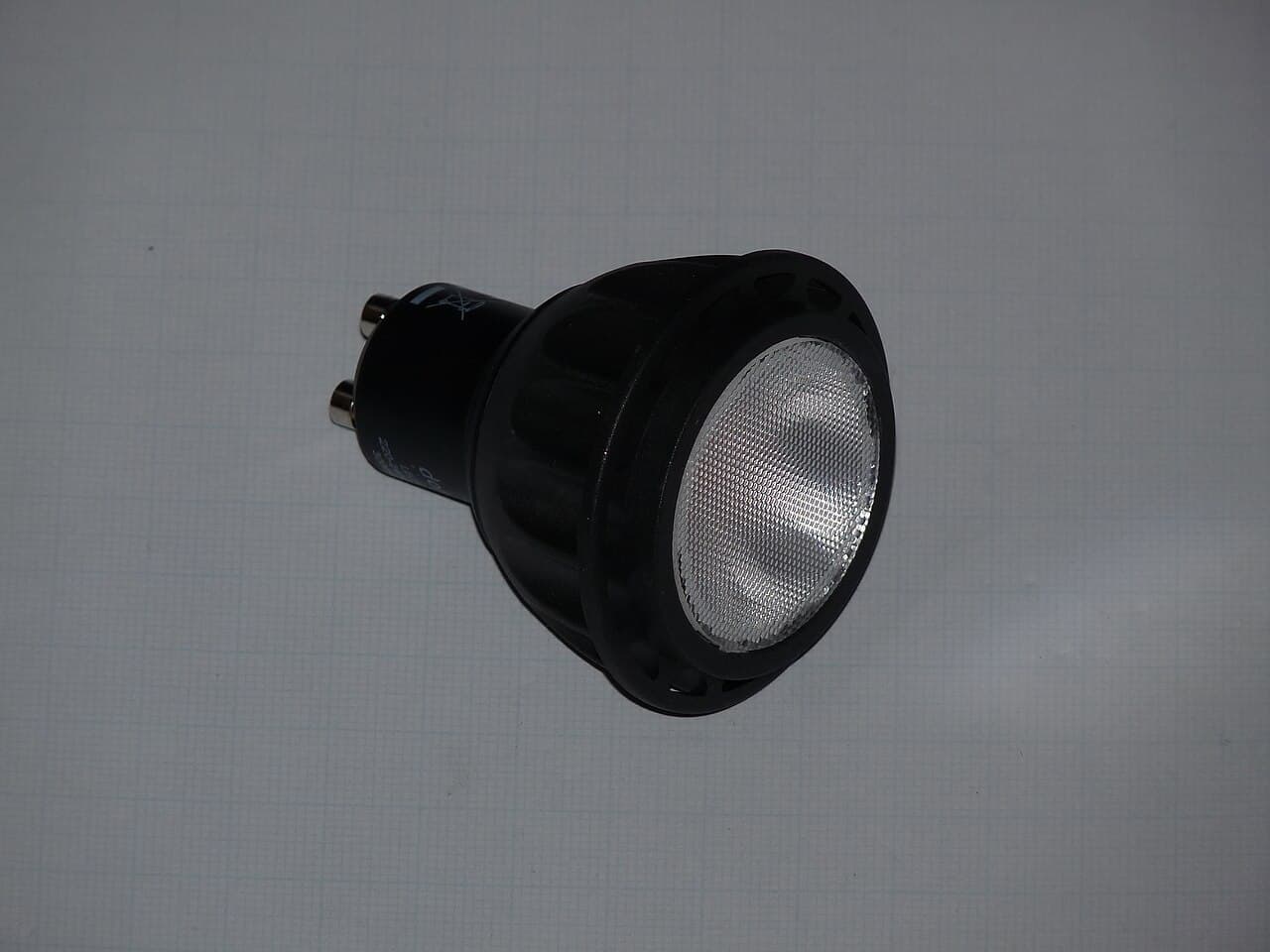
Bulbs and dimmers. A loose or worn bulb, or an LED bulb that does not suit its dimmer, is the cheapest cause and the first to rule out. The electrician may swap in a known-good bulb or try the fixture without the dimmer.
The fixture and switch. If one light flickers when the switch or fixture is moved, the fault is likely in the socket, the switch or a connection inside the box. The CPSC says improperly operating outlets or switches may indicate an unsafe wiring condition, and that a loose screw holding a wire or a worn out switch can lead to electrical arcing, overheating, or a fire.[3] Some dimmer switches may warm during normal use,[3] so an electrician judges warmth against what the device is.
Outlets and connections along the circuit. When several lights on one circuit flicker, the fault is often at a shared connection, and the electrician tests the points where the circuit is spliced or fed through. In a house with aluminum branch wiring, those connections deserve extra attention. The CPSC found that homes built before 1972 and wired with aluminum are 55 times more likely to have one or more wire connections at outlets reach "Fire Hazard Conditions" than homes wired with copper,[2] and that failing aluminum-wired connections seldom provide easily detected warning signs.[2] It lists flickering lights among the signs of an electrical system problem, alongside hot-to-the-touch face plates, circuits that do not work and the smell of burning plastic at outlets or switches.[2]
Large appliances. If lights dim or flicker when the air conditioner, a well pump or a dryer starts, the electrician checks that appliance and the circuit feeding it. Dominion Energy's electric service requirements say motors with more than 30 amps per ton of starting current, such as those in larger residential heat pumps or air conditioners, may create excessive voltage flicker,[4] and it recommends a manufacturer's hard-start kit to minimize how long the flicker lasts.[4] It also says correcting flicker created by customer-owned equipment is the customer's responsibility.[4] A flicker that comes only with the start of one big motor is usually that motor; one that comes at random is not.
The panel. If many circuits are affected, the electrician inspects the breaker panel for loose lug connections, signs of heat on the breakers and bus, and overloaded circuits. This is live equipment, and it is not a place for homeowner experiments. For panel worries, see when to call an electrician about a breaker panel.
The service, where the utility's wires meet the house. The CPSC says flickering of home lights when the wind blows can be caused by bad contacts at the junction of the service entrance cable and the service drop.[1] The electrician, together with the electric company, looks at that connection and the meter. The CPSC says not to attempt to correct the problem yourself or touch any of the equipment, and to call the electric power company immediately.[1] The utility owns its side of the connection; the electrician handles what belongs to you.
What you should get from the visit
By the end, you should know which circuit or device is at fault, whether the cause was a bulb, a device, a connection or the service, and what was done. For a connection fault, ask the electrician to tell you which box or terminal it was and to show you a photograph. If the cause is on the utility's side, ask for the electric company's reference number for your report.
If the electrician finds scorching, melted insulation or aluminum wiring that needs repair, the job changes. Ask for the finding in writing before agreeing to the larger work. For what the visit costs and how to compare quotes, see how much an electrician charges to fix flickering lights in Virginia.
When to call a licensed pro
For all of it beyond changing a bulb. Virginia law says no individual shall engage in, or offer to engage in, work as a tradesman unless licensed,[5] and it defines a tradesman as anyone who does work for the general public for compensation in the trades of electrical, plumbing and heating, ventilation and air conditioning.[6] Use how to check if a contractor is licensed in Virginia before you let anyone open a panel or a box.
If the flicker comes with a burning smell, sparks, a hot cover plate or buzzing, read when flickering lights are an electrical emergency now. Loclis lists licensed electrical businesses; browse electrical services or read more electrical repair answers.
To get the problem diagnosed, describe it once and licensed local electricians quote the visit.
Common questions
- Is a flickering light always a wiring problem?
- No. A worn bulb, a loose bulb in its socket, or an LED bulb on a dimmer it does not suit can all flicker. The reason an electrician starts by asking how widespread it is: one bulb points to the bulb or fixture, several lights on one circuit point to a shared connection, and the whole house points to the panel or the service.
- Why do my lights flicker when the air conditioner starts?
- A motor draws a surge of current as it starts. Dominion Energy's service requirements say larger residential heat pumps and air conditioners with high starting current may create excessive voltage flicker, and that a hard-start kit can shorten it. If the flicker is new or getting worse, have it checked.
- Can I check the wiring myself?
- No. Opening fixtures, switches, the panel or the service equipment means working near live conductors. You can note what you see: which lights, when it happens and whether anything is warm, buzzing or smells of burning, and tell the electrician.
- Should I call the utility or an electrician?
- If the flicker affects the whole house, happens in wind, or you see sparks outside near the wires or meter, call the electric company. The CPSC says not to touch the equipment. If it is limited to some lights inside, call a licensed electrician.
- Does an electrician need a licence to look at flickering lights?
- Yes. Virginia law says no individual shall engage in, or offer to engage in, work as a tradesman unless licensed, and electrical work for the public is one of the licensed trades.
Sources
- [1] CPSC Guide to Home Wiring Hazards (Publication 518), U.S. Consumer Product Safety Commission. Checked October 27, 2026.
- [2] Repairing Aluminum Wiring (Publication 516), U.S. Consumer Product Safety Commission. Checked October 27, 2026.
- [3] Home Electrical Safety Checklist (Publication 513), U.S. Consumer Product Safety Commission. Checked October 27, 2026.
- [4] Information and Requirements for Electric Service (Blue Book), Dominion Energy. Checked October 27, 2026.
- [5] Va. Code § 54.1-1129, Necessity for licensure, Code of Virginia, Virginia General Assembly. Checked October 27, 2026.
- [6] Va. Code § 54.1-1128, Definitions (tradesmen), Code of Virginia, Virginia General Assembly. Checked October 27, 2026.
Want a pro to handle it?
Describe the job once. Licensed local businesses send quotes, and you pay only when you book one.
Get a quote for Electrical Repair