What should be cleaned between guests at a vacation rental?
Every turnover should cover the whole guest path: strip and wash all bedding and towels, clean and then disinfect the bathrooms and kitchen, wipe every high-touch surface, empty the refrigerator and trash, vacuum and mop, and check mattress seams for bed bugs. Finish with the safety checks guests never see: test the smoke alarms, clean the dryer lint filter, and look for leaks.
Free to ask. Local shops send quotes, and you pay only when you book one.
By Kasra Taheri, Founder, LoclisPublished
Researched and drafted with AI, then checked claim by claim against the sources listed below before it was published. Prices and rules change; the dates beside each source say when it was last checked.
Step by step
Read when to stop and call a pro, further down this page, before you start.
Step 1: Walk through first
Before cleaning, walk every room, note damage, leaks and left-behind items, and photograph anything you may need to report to the guest or the platform.
Step 2: Open windows and start laundry
Air the place out, strip every bed that was slept in, collect all used towels and start the first load so laundry is not the last thing holding up the turnover.
Step 3: Check the beds
With the sheets off, look along the mattress and box spring seams, tags and piping and the bed frame cracks for reddish stains, dark spots, tiny eggs and shed skins.[1]
Step 4: Clean the bathrooms
Clean the toilet, sink, tub, shower, mirror and fixtures with a cleaner, then disinfect the high-touch spots, leaving the product wet for the full contact time on the label.[4]
Step 5: Reset the kitchen
Empty the refrigerator of guest food, wipe its shelves and spills, run and unload the dishwasher, and clean the counters, sink, stovetop, microwave and coffee maker.
Step 6: Wipe the touch points
Go room by room over door handles, light switches, remotes, faucet and toilet handles, appliance handles, thermostat, lock keypads and table tops.
Step 7: Clean the floors last
Dust from the top down, then vacuum carpets, rugs and upholstered furniture and mop hard floors, blotting any spill rather than rubbing it.[8]
Step 8: Empty every bin
Take out all trash and recycling, wipe the bins inside and out if needed, and put in fresh liners.
Step 9: Do the safety checks
Press the test button on each smoke alarm and carbon monoxide alarm, and clean the dryer lint filter before and after each cycle you run.[10]
Step 10: Make beds and restock
Make the beds with freshly washed and dried linens, hang clean towels, and restock toilet paper, soap, paper towels, trash bags and dish soap.
Step 11: Photograph the finished rooms
Take a quick photo of each room and log any repairs or supplies the owner needs to handle before the next arrival.
Clean everything a guest touches, sleeps in or eats from, every time. That means fresh bedding and towels, bathrooms and the kitchen cleaned and then disinfected at the touch points, the refrigerator emptied, the floors vacuumed and mopped, and every bin emptied. A good turnover adds three checks guests never see: mattress seams for bed bugs, smoke alarms tested, and the dryer lint filter cleared. Work from the top of each room down and leave floors for last, so nothing you knock loose lands on a clean surface.
Start with a walk-through
Walk every room before you clean anything. Look for damage, stains, broken items, things left behind and any sign of water: a drip under the sink, a wet ceiling stain, a damp carpet by the tub. Photograph what you find so the owner has a record. Water is the urgent one. EPA's advice is to dry water-damaged areas and items within 24-48 hours to prevent mold growth,[12] so a leak found at turnover is reported that day, not at the next booking.
Beds and linens
Strip the beds and gather every towel, bath mat, kitchen towel and throw blanket that was used, and get the first load going so laundry does not hold you up at the end. EPA's bed bug advice is to wash and heat-dry bed sheets, blankets and bedspreads,[3] and to remember that bed bugs and their eggs can hide in laundry containers and hampers,[3] so wipe out the laundry baskets too.
With the sheets off, look at the mattress. Bed bugs can move by traveling on furniture, bedding, luggage, boxes and clothing,[2] and a rental sees more luggage than a home. The signs EPA lists are rusty or reddish stains on sheets or mattresses, dark spots of bed bug excrement, and tiny eggs and eggshells (about 1mm) or the pale yellow skins young bed bugs shed.[1] Look near the piping, seams and tags of the mattress and box spring, and in cracks on the bed frame and headboard,[1] and, in a heavily infested room, in the seams of chairs and couches, between cushions and in the folds of curtains.[1] If a crack will hold a credit card, it could hide a bed bug.[1]
Encasements make this check faster. A protective cover that encases mattresses and box springs removes many hiding spots, and its light color makes bed bugs easier to see;[2] EPA also says to check the encasement regularly for holes.[2] How to check a mattress for bed bugs has more detail.
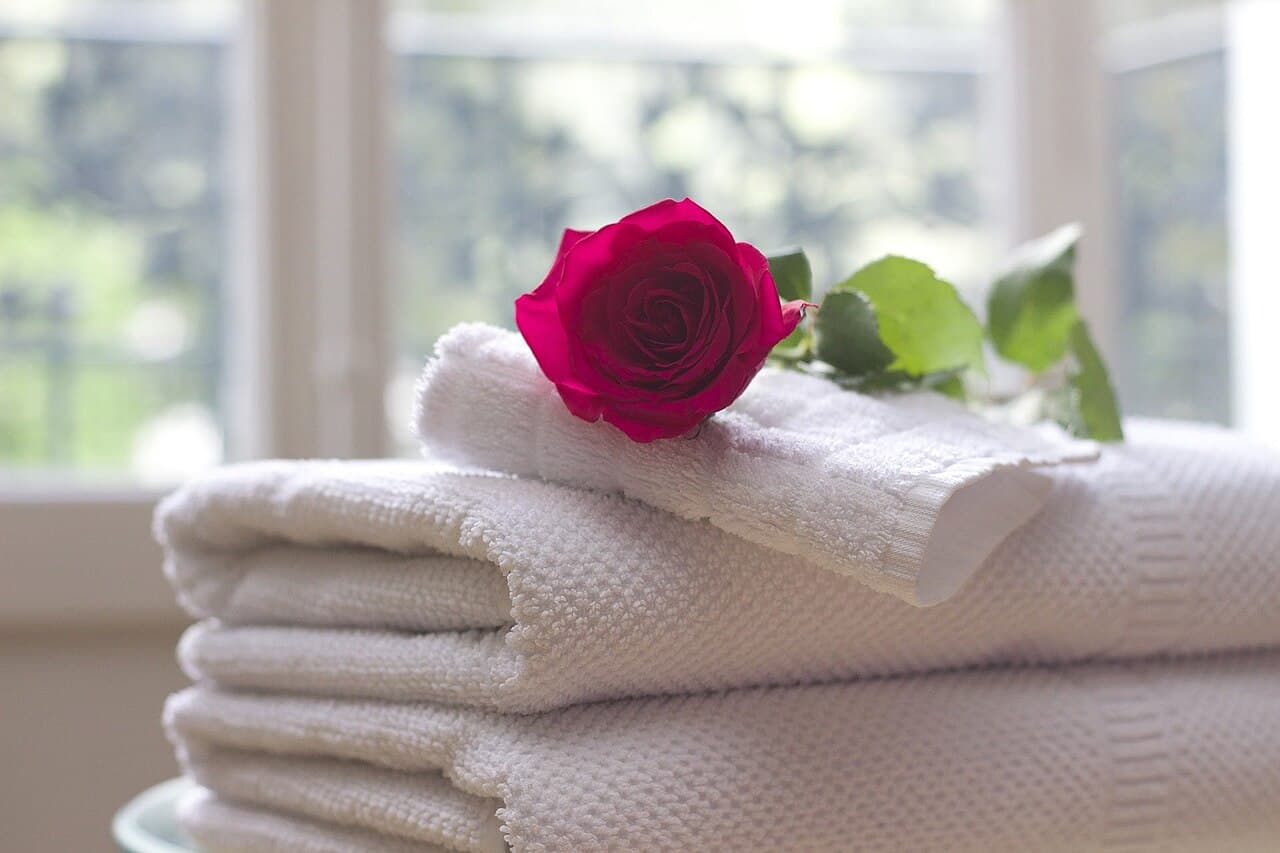
Bathrooms and the kitchen
These two rooms are where guests judge the whole stay. Clean first, then disinfect. EPA's directions are to wash the surface with soap and water first if the directions mention pre-cleaning or if the surface is visibly dirty,[4] then apply the disinfectant and leave it for its contact time. The surface should remain wet the whole time.[4] Do not dilute disinfectants or mix them with other chemicals unless the label tells you to.[5]
In the bathroom, that means the toilet inside and out, the sink and faucet, tub and shower walls, the mirror, the floor around the toilet, and the towel bars and hooks. Check the drains for hair and the shower curtain or liner for mildew.
In the kitchen, use a product made for food-contact surfaces on counters and anything that touches food. If the label says the product can be used on food-contact surfaces, it can be used on dishes, cooking utensils and countertops.[6] Empty the refrigerator of everything guests left, then follow FDA's simple rule: clean the refrigerator regularly and wipe spills immediately.[7] While the door is open, glance at the thermometer; FDA's advice is to keep the refrigerator at or below 40° F.[7] Run and unload the dishwasher, put every dish back where the next guest expects it, and wipe the stovetop, oven door, microwave inside and out, toaster crumbs and the coffee maker.
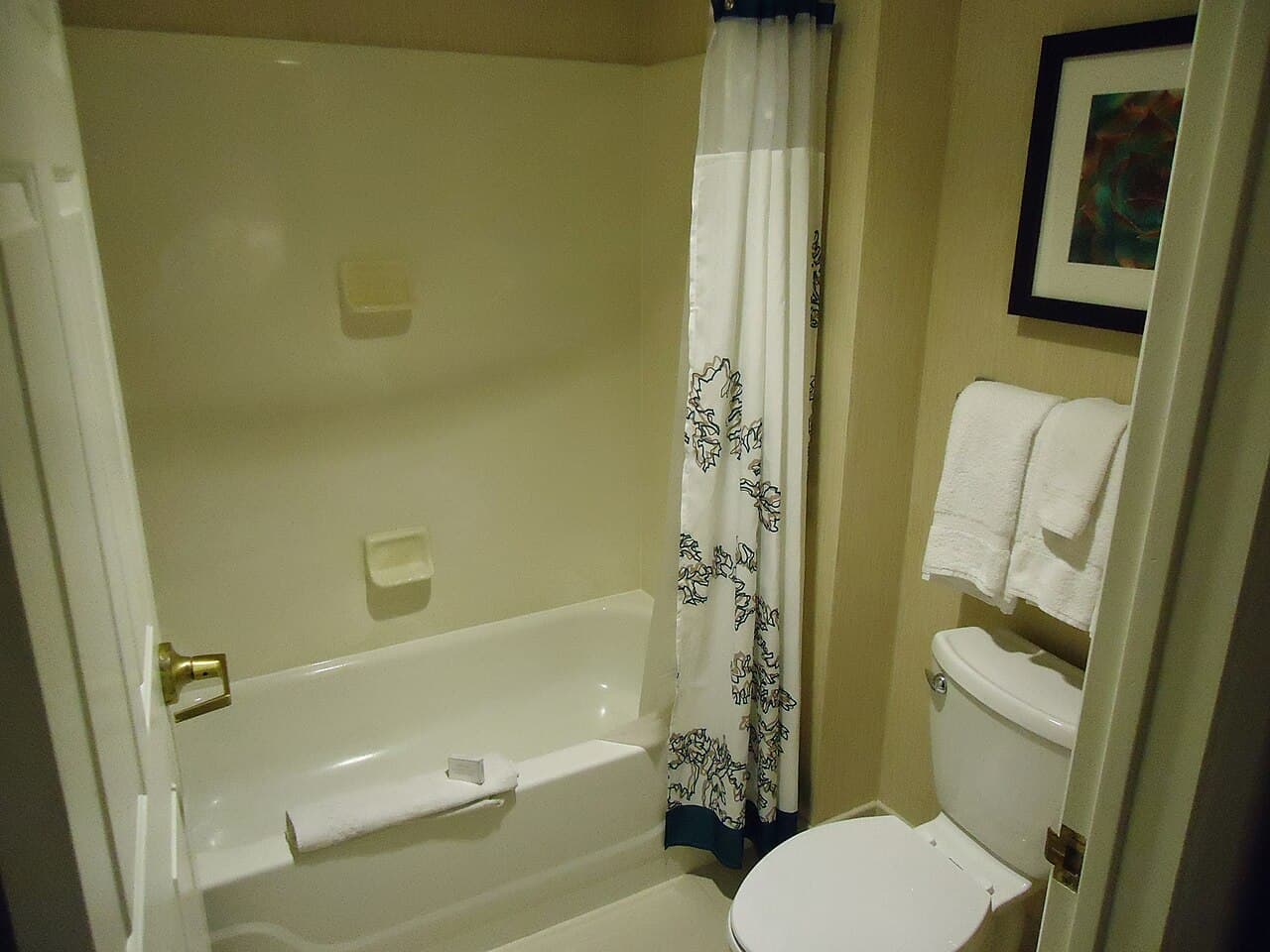
Touch points, floors and trash
Go room by room over the things every hand touches: door handles and lock keypads, light switches, remotes, the thermostat, faucet and toilet handles, appliance handles, chair backs and table tops. Dust from high to low, including ceiling fan blades and window sills when they need it.
Floors come last. Vacuum carpets, rugs and upholstered furniture, then mop hard floors. For spills on carpet, the carpet maker Shaw puts it plainly: "Always blot your carpet, never rub or scrub abrasively".[8] Empty every trash and recycling bin, inside and out, and leave fresh liners.
Safety checks every turnover
A smoke alarm only works when it is properly installed and regularly tested,[9] and the U.S. Fire Administration's instruction for every type is "Test the alarm monthly".[9] A rental with weekly guests can simply test at each turnover. Do the same with any carbon monoxide alarms; EPA's advice is to install a CO alarm in the hallway near every separate sleeping area,[11] so tell the owner if a sleeping area has none.
If the unit has a dryer, clear the lint. The U.S. Fire Administration says to clean the lint filter before and after each cycle[10] and to clean the back of the dryer where lint can build up.[10]
Restock and finish
Make the beds with freshly washed and dried linens, hang towels, and restock toilet paper, hand soap, dish soap, paper towels, trash bags and anything the listing promises. Then take a photo of each finished room and send the owner a short note: what was damaged, what ran low, what needs a repair. Those notes are what keep small problems from turning into bad reviews.
Stop and call a pro if
- You find signs of bed bugs. Do not spray or move furniture between rooms; tell the owner and call a pest control company before the next guest checks in.
- There is a leak, wet drywall or spreading mold. Report it the same day so it can be dried and repaired.
- You smell gas, a carbon monoxide alarm sounds, or a hardwired smoke alarm keeps chirping. Leave, call the gas utility or 911 as appropriate, and let the owner bring in a licensed pro.
- A guest left blood, vomit, sewage or other biohazards beyond an ordinary spill. That calls for a cleanup company equipped for it.
Getting help
If you would rather not run turnovers yourself, read whether to hire a company or an independent cleaner and how often a rental needs a deep clean, browse short-term rental cleaners, see cleaning businesses near Blacksburg, or read more cleaning answers. To get quotes for your turnovers, describe the job on Loclis.
Common questions
- Do I have to wash bedding that looks unused?
- Treat any bed that might have been used as used. Guests nap on made beds, sit on them and drop bags on them, and you cannot tell by looking. Many hosts strip every bed in the unit at each turnover; at the least, wash anything that was unfolded, slept in or sat on.
- Do I need to disinfect everything between guests?
- No. Clean everything guests use, then disinfect the high-touch spots: bathroom fixtures, faucet and toilet handles, door handles, switches, remotes and kitchen counters. Use the product as the label directs and leave it wet for the full contact time, or it will not work.
- How do I check for bed bugs during a turnover?
- With the sheets off, look along the mattress and box spring seams, tags and piping, the cracks in the bed frame and headboard, and the seams of chairs and couches. EPA lists rusty or reddish stains, dark spots, tiny eggs and shed skins as the signs to look for. If you find any, stop and call a pest control company before the next guest arrives.
- Should the cleaner test the smoke alarms?
- It is a sensible part of the turnover checklist. The U.S. Fire Administration says a smoke alarm only works when it is properly installed and regularly tested, and advises testing monthly. Pressing the test button takes seconds, and a dead or chirping alarm can be reported to the owner the same day.
- What about the hot tub, grill or fireplace?
- Wipe the outside surfaces and empty any ash bins or grease trays only as the owner's instructions allow. Water chemistry, gas grills, fireplaces and anything wired or fuel-burning belong to the owner or a licensed pro, not the turnover cleaner.
Sources
- [1] How to Find Bed Bugs, U.S. Environmental Protection Agency. Checked October 27, 2026.
- [2] Protecting Your Home from Bed Bugs, U.S. Environmental Protection Agency. Checked October 27, 2026.
- [3] Top Ten Tips to Prevent or Control Bed Bugs, U.S. Environmental Protection Agency. Checked October 27, 2026.
- [4] Six Steps for Safe & Effective Disinfectant Use, U.S. Environmental Protection Agency. Checked October 27, 2026.
- [5] Cleaning and Disinfecting: Best Practices During the COVID-19 Pandemic, U.S. Environmental Protection Agency. Checked October 27, 2026.
- [6] How to Clean, Sanitize, and Disinfect Surfaces (FST-395NP), Virginia Cooperative Extension, Virginia Tech. Checked October 27, 2026.
- [7] Are You Storing Food Safely?, U.S. Food and Drug Administration. Checked October 27, 2026.
- [8] Carpet Care and Cleaning, Shaw Floors. Checked October 27, 2026.
- [9] Smoke Alarms, U.S. Fire Administration. Checked October 27, 2026.
- [10] Clothes Dryer Fire Safety, U.S. Fire Administration. Checked October 27, 2026.
- [11] What About Carbon Monoxide Detectors?, U.S. Environmental Protection Agency. Checked October 27, 2026.
- [12] A Brief Guide to Mold, Moisture and Your Home, U.S. Environmental Protection Agency. Checked October 27, 2026.
Want a pro to handle it?
Describe the job once. Licensed local businesses send quotes, and you pay only when you book one.
Get a quote from a local pro