How often should a vacation rental get a deep clean?
There is no official schedule, but a busy rental usually needs a deep clean between seasons, so a few times a year, plus one after a long vacancy, a pet stay or a messy guest. Some jobs run on their own clocks: test smoke alarms monthly, check the HVAC filter monthly, and have carpets professionally extracted every 6 to 18 months depending on traffic.
Free to ask. Local shops send quotes, and you pay only when you book one.
By Kasra Taheri, Founder, LoclisPublished
Researched and drafted with AI, then checked claim by claim against the sources listed below before it was published. Prices and rules change; the dates beside each source say when it was last checked.
Step by step
Read when to stop and call a pro, further down this page, before you start.
Step 1: Set the seasonal dates
Put a deep clean on the calendar before your busy season and after it, and block those days from bookings.
Step 2: Add trigger visits
Add an extra deep clean after a long vacancy, a pet stay, a sick guest, a party or any stay that leaves odors or stains.
Step 3: Pull out and clean behind
Move light furniture and clean under and behind beds, sofas and the refrigerator, and vacuum the upholstery and under cushions.
Step 4: Go inside the appliances
Clean inside the oven, microwave, dishwasher and refrigerator, and wash the range hood filter as the hood maker's manual directs.
Step 5: Wash what turnovers skip
Wash and heat-dry blankets, bedspreads, duvets, mattress pads and shower curtains, and check mattress encasements for holes.[7]
Step 6: Work top to bottom
Dust ceiling fans, vents, light fixtures, door tops and blinds, then wipe baseboards, cabinet fronts, walls near switches and window sills.
Step 7: Scrub the wet rooms
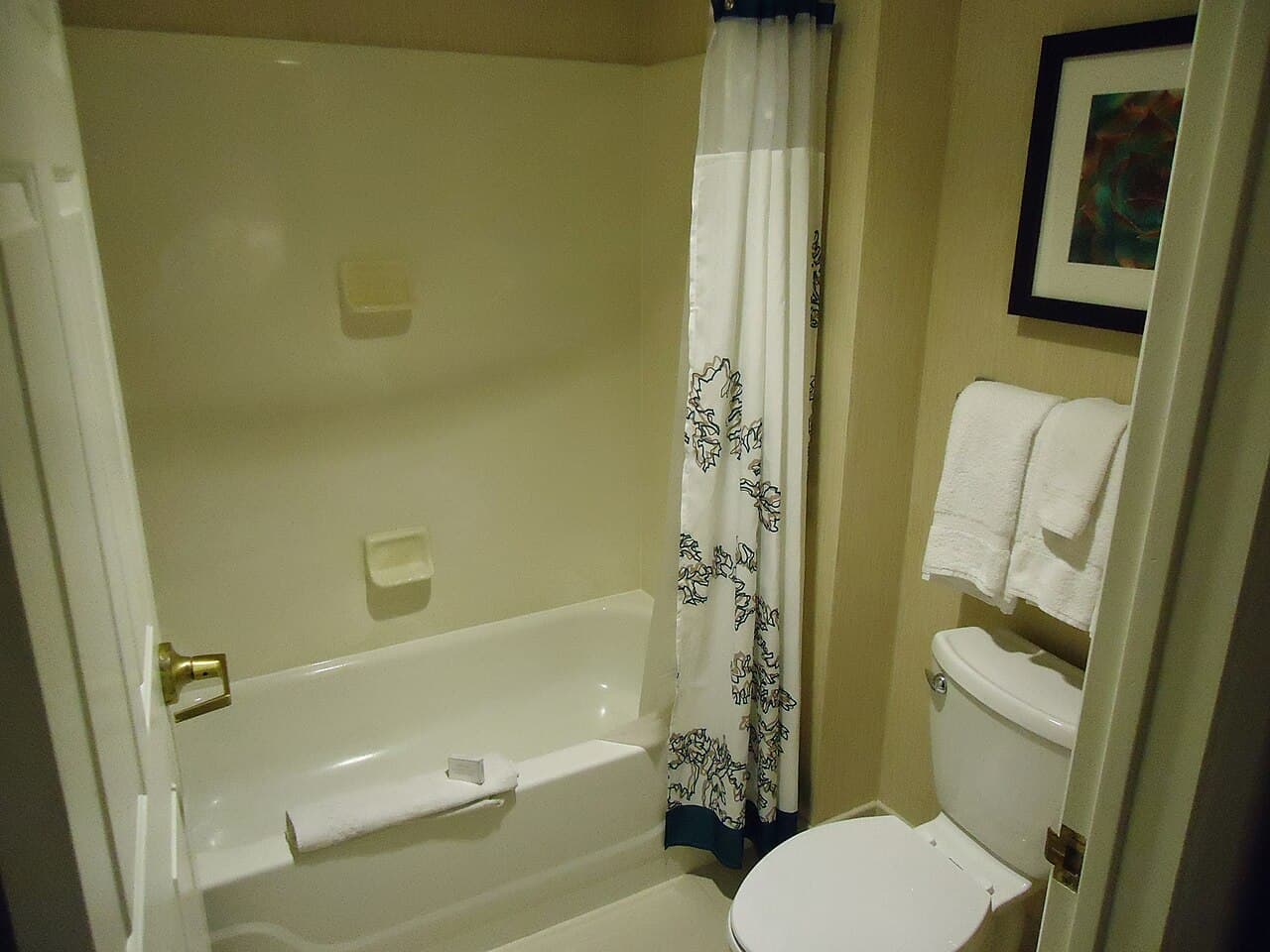
Scrub grout, shower walls and tub surrounds, descale faucets and shower heads, and look for any mold that keeps coming back.
Step 8: Clear the dryer
Clean behind the dryer where lint builds up and check that the vent behind it is not crushed or blocked.[5]
Step 9: Check the monthly items
Test every smoke alarm and inspect, clean or change the HVAC filter on a monthly schedule, separate from the deep clean.[3]
Step 10: Book the yearly items
Book carpet extraction on the maker's interval and an annual heating and cooling check-up by a contractor.[2]
There is no official schedule for deep cleaning a vacation rental. For a busy rental, a sensible rhythm is a deep clean between seasons, which works out to a few times a year, plus an extra one after a long vacancy, a pet stay, a sick guest or any stay that leaves odors or stains behind. A slow rental can stretch the gap. What should never stretch are the items with their own clocks: smoke alarms tested monthly, the HVAC filter checked monthly, and carpets professionally cleaned on the maker's interval.
Why a rental needs it more than a home
Turnovers are built for speed. They reset what the last guest used and stop there: beds, towels, bathrooms, counters, floors and trash. Everything else builds up quietly. How often will depend on the surface material and how often the surface is used or touched,[1] in Virginia Cooperative Extension's words, and a rental's surfaces are touched by a new set of people every few days. Grease climbs the cabinet doors near the stove, dust settles on fan blades and vent covers, grout darkens, and crumbs collect under the sofa cushions where no turnover reaches.
The test is simple. Look at the turnover photos and your own walk-throughs. When corners, grout, baseboards and appliance interiors start to show, the deep clean is due, whatever the calendar says.
What a deep clean covers
A deep clean goes after what turnovers skip:
- Kitchen. Inside the oven, microwave, dishwasher and refrigerator, the range hood and its filter, cabinet fronts and interiors, small appliances, and behind the refrigerator and stove where you can reach safely. FDA's advice to clean the fridge out frequently[10] matters more in a rental, where guests leave food behind.
- Bedrooms. Blankets, duvets, bedspreads, mattress pads and pillows, plus a close look at the mattress. EPA's bed bug advice is to regularly wash and heat-dry your bed sheets, blankets, bedspreads and any clothing that touches the floor,[8] and for encasements to check the encasement regularly for holes.[7] EPA also says to reduce clutter in your home to reduce hiding places for bed bugs,[7] a good reason to clear out the drawers and closets guests leave things in.
- Bathrooms. Grout, shower walls, tub surrounds, exhaust fan covers, shower curtains and liners, and mineral buildup on faucets and shower heads.
- Living areas. Under and behind furniture, upholstery and under cushions, ceiling fans, blinds, baseboards, door frames and the walls around light switches.
- Laundry. The U.S. Fire Administration's advice is to clean the back of the dryer where lint can build up[5] and to check that the venting behind the dryer is not damaged, crushed or restricted.[5]
How to deep clean a kitchen walks through the hardest room in detail.
The items with their own schedule
Some jobs run on a fixed clock whatever your booking calendar looks like.
Every month. The U.S. Fire Administration's advice is to test smoke alarms every month and replace 9-volt smoke alarm batteries at least once every year.[4] A rental with weekly guests can test at each turnover. For heating and cooling, ENERGY STAR's advice is to inspect, clean, or change air filters once a month in your central air conditioner, furnace, and/or heat pump,[3] because a dirty filter can increase energy costs and damage your equipment, leading to early failure.[3] See how often to change a furnace filter for sizing and types.
Every 6 to 18 months. For carpets, the carpet maker Shaw says to "Schedule a professional hot water extraction (steam cleaning) anywhere from 6-18 months, depending on traffic".[2] A rental with pets or constant check-ins belongs at the short end. Between extractions, Shaw's advice is to vacuum the carpet traffic lanes daily to extend the life of your carpet,[2] which in a rental means every turnover. How often carpets should be professionally cleaned has more.
Every year. ENERGY STAR recommends having a contractor do annual pre-season check-ups,[3] and suggests you check the cooling system in the spring and the heating system in the fall.[3] The Virginia Department of Health advises: "Schedule annual maintenance of heating systems and fuel-burning appliances to ensure proper ventilation".[6] Hardwired smoke alarms usually have a backup battery that will need to be replaced once a year.[4] Line these up with a seasonal deep clean so the unit is closed only once.
Every 10 years. In the U.S. Fire Administration's words, "Get new smoke alarms every 10 years".[4]
Extra deep cleans worth booking
Add a deep clean outside the seasonal ones when:
- The rental has been empty for weeks. Dust, stale air, insects and a fridge someone forgot to empty all show up on the first guest's review.
- A guest brought pets. Hair and dander work into upholstery, rugs and bedding that turnovers do not fully reach.
- A guest was sick, or the stay was a party or ended with heavy stains or odors.
- There was a leak. EPA notes that if wet or damp materials or areas are dried 24-48 hours after a leak or spill happens, in most cases mold will not grow,[9] so dry it first, then clean.
Stop and call a pro if
- You find bed bugs, droppings from mice or other pests. Call a pest control company before cleaning, so you do not spread them or disturb evidence the technician needs.
- Mold keeps coming back after cleaning, or covers a large area. That points to a moisture problem.
- The dryer vent is crushed, disconnected or blocked, or a smoke or carbon monoxide alarm is hardwired and failing. Those are jobs for a licensed pro.
- There is sewage, blood or other biohazard material beyond an ordinary spill.
Getting help
Read what should be cleaned between guests for the turnover side of the routine, browse short-term rental cleaning and deep cleaning businesses, see cleaning businesses near Blacksburg, or read more cleaning answers. To book a seasonal deep clean, describe the job on Loclis.
Common questions
- Is a deep clean different from a turnover clean?
- Yes. A turnover resets what the last guest used: beds, towels, bathrooms, kitchen surfaces, floors and trash. A deep clean reaches what turnovers skip: inside appliances, behind and under furniture, vents and fans, grout, blankets and duvets, upholstery and baseboards.
- Does a rental that is booked every weekend need more deep cleans?
- Usually, yes. Virginia Cooperative Extension notes that how often a surface needs cleaning depends on what it is made of and how often it is used or touched, and a rental with constant check-ins wears faster than one booked a few times a month. Watch the turnover photos for grime building up in corners and grout, and move the deep clean earlier when you see it.
- How often should carpets in a rental be professionally cleaned?
- Shaw Floors, a carpet maker, advises professional hot water extraction anywhere from 6 to 18 months depending on traffic. A rental with heavy foot traffic, pets or kids sits at the shorter end. Check your own carpet's warranty for any cleaning requirement.
- Should the deep clean include the HVAC system?
- The filter, yes: ENERGY STAR's advice is to inspect, clean or change it once a month. The equipment itself is different. ENERGY STAR recommends a contractor do annual pre-season check-ups, cooling in spring and heating in fall, and the Virginia Department of Health advises annual maintenance of heating systems and fuel-burning appliances.
- What if a guest leaves the place badly dirty?
- Book an extra deep clean before the next arrival, photograph the condition first so you can raise it with the guest or the platform, and call a specialist if there is mold, sewage, bed bugs or biohazards.
Sources
- [1] How to Clean, Sanitize, and Disinfect Surfaces (FST-395NP), Virginia Cooperative Extension, Virginia Tech. Checked October 27, 2026.
- [2] Carpet Care and Cleaning, Shaw Floors. Checked October 27, 2026.
- [3] Maintenance Checklist, ENERGY STAR (U.S. EPA and DOE). Checked October 27, 2026.
- [4] Smoke Alarms, U.S. Fire Administration. Checked October 27, 2026.
- [5] Clothes Dryer Fire Safety, U.S. Fire Administration. Checked October 27, 2026.
- [6] Carbon Monoxide, Virginia Department of Health. Checked October 27, 2026.
- [7] Protecting Your Home from Bed Bugs, U.S. Environmental Protection Agency. Checked October 27, 2026.
- [8] Top Ten Tips to Prevent or Control Bed Bugs, U.S. Environmental Protection Agency. Checked October 27, 2026.
- [9] A Brief Guide to Mold, Moisture and Your Home, U.S. Environmental Protection Agency. Checked October 27, 2026.
- [10] Are You Storing Food Safely?, U.S. Food and Drug Administration. Checked October 27, 2026.
Want a pro to handle it?
Describe the job once. Licensed local businesses send quotes, and you pay only when you book one.
Get a quote from a local pro