Who repairs a subfloor, a flooring installer or a carpenter?
Either can, depending on the damage. Under Virginia's contractor rules, flooring contracting covers installing or replacing subflooring, but not repairing floor joists. If only the subfloor panels are damaged, a flooring contractor can do it; if joists are involved, you need a framing contractor or general contractor.
Free to ask. Local shops send quotes, and you pay only when you book one.
By Kasra Taheri, Founder, LoclisPublished
Researched and drafted with AI, then checked claim by claim against the sources listed below before it was published. Prices and rules change; the dates beside each source say when it was last checked.
Step by step
Read when to stop and call a pro, further down this page, before you start.
Step 1: Decide what is damaged
Work out whether only the subfloor panels are soft or stained, or whether the framing under them may be affected.
Step 2: Fix the water first
Have any leak stopped, because a repaired subfloor over a wet space will fail again.[4]
Step 3: Pick the trade
For subfloor panels, ask a flooring contractor; if joists are involved, ask a framing or general contractor.[1]
Step 4: Check the licence
Look the business up on DPOR and confirm the class and specialty cover the work.[2]
Step 5: Get written bids
Ask for at least three written bids for the same scope.[3]
Step 6: Sign a written contract
Have the scope, price and payment schedule written down before work starts.[3]
The short answer
Which trade you want depends on what is damaged. If only the subfloor panels (plywood or OSB) are bad, a flooring contractor can handle it. If the joists beneath are damaged too, you need someone licensed for framing or general contracting.
That split comes from Virginia's contractor regulations. Flooring and floor covering contracting "includes the installation or replacement of subflooring, leveling products, or other materials necessary to facilitate the installation of the flooring or floor covering."[1] The same definition draws a line: "This does not include the installation, repair, or removal of floor joists or other structural components of the flooring system."[1]
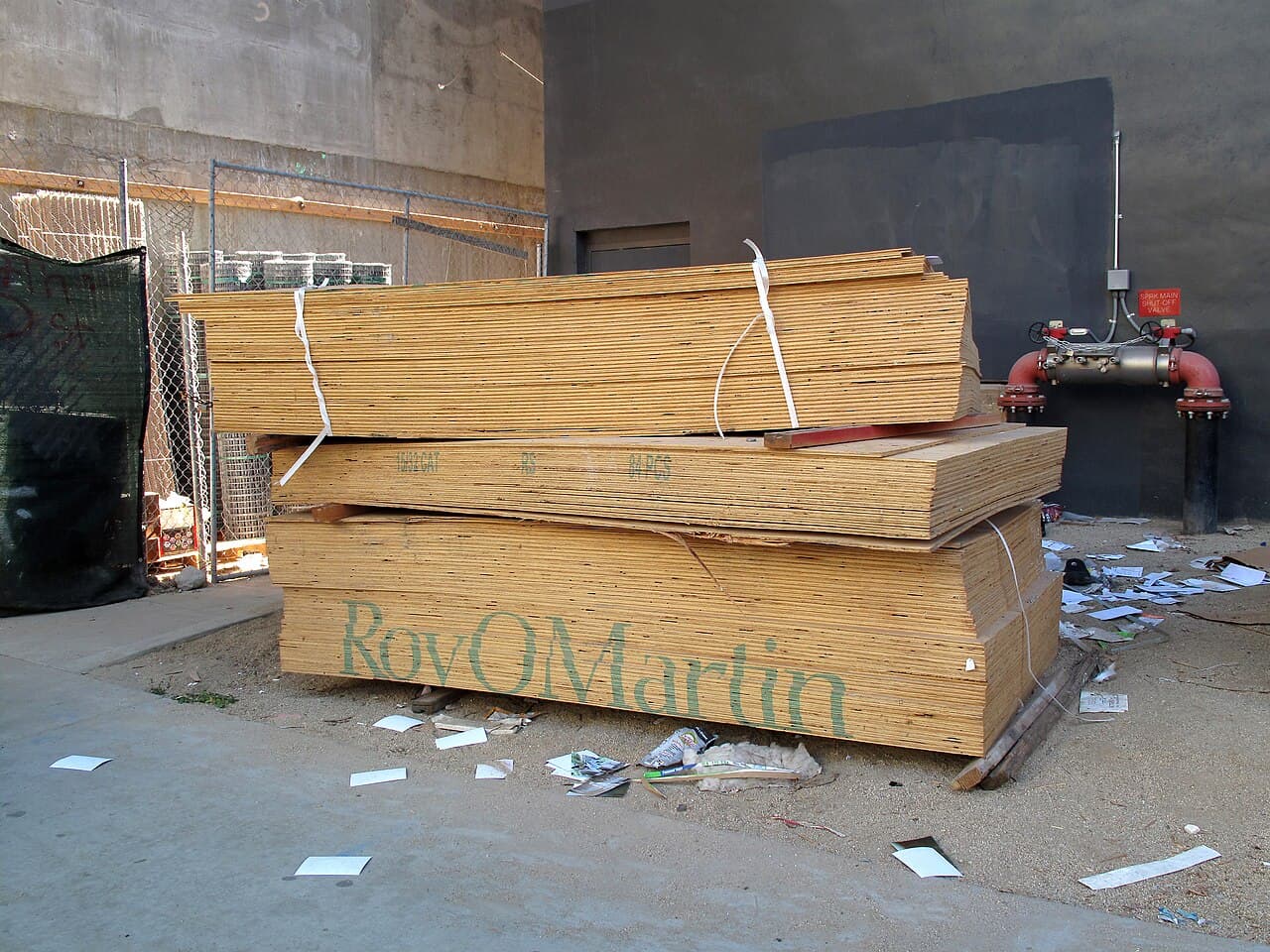
The three trades
Flooring contractor. Best when the subfloor is damaged and the finished floor has to come up and go back anyway. One crew pulls the old floor, replaces the panels and installs the new surface, so nothing is left to coordinate.
Framing or general contractor. Best when joists, a rim board or a support may be rotted, cracked or sagging. Virginia describes framing as work providing for "the construction, removal, repair, or improvement to any framing or rough carpentry necessary for the construction of framed structures, including the installation and repair of individual components of framing systems."[1] A general contractor can also run the whole job and bring in a flooring sub.
Finish carpenter. The finish carpentry specialty is defined as the service for "the installation, repair, and finishing of cabinets, sash casing, door casing, wooden flooring, baseboards, countertops, and other millwork."[1] That is trim and finish work, not structure, so a carpenter is not automatically the right call for a subfloor. Check what their licence actually covers.
Permits
Replacing a patch of subfloor panel is generally repair, but Virginia's building code requires a permit for installations or alterations involving "any structural component".[5] If joists are being repaired, ask your local building department whether a permit applies, and make sure your contract says who obtains it.
Hiring checklist
Fix the water first. The EPA says "The key to mold control is moisture control."[4] A new subfloor over a leak will rot again.
Look up each business on DPOR's licence lookup and check that its class and specialty match the work.[2] Ask for the same scope from each bidder, and as DPOR advises, "Get at least three written bids."[3] Ask each one how they will handle damaged joists if they find them, and who would do that work.
Virginia law requires all licensed contractors to provide a written contract for residential work.[3] Do not start without one.
Stop and call a pro if
- The floor sags, bounces or feels soft. Rot may have reached the joists.
- You can see cracked, split or notched joists.
- Water is leaking or the area is moldy. Stop the water and have the damage assessed before anyone covers it.
- A bidder wants to start without a licence number or a written contract.
Getting help in Virginia
Read how to fix a squeaky floor if the problem is only noise, and what subfloor repair costs in Virginia for the price drivers. How to choose a flooring installer covers vetting in more detail. Browse flooring pros or more flooring answers.
When you are ready, describe the subfloor problem once and licensed local pros quote it.
Common questions
- Can a flooring installer replace a subfloor?
- Yes, within limits. Virginia's definition of flooring and floor covering contracting includes the installation or replacement of subflooring. It excludes the repair of floor joists or other structural components of the flooring system.
- Can a finish carpenter do the work?
- Virginia's finish carpentry specialty covers cabinets, trim, wooden flooring and other millwork, not subfloor or framing. Check the licence lookup for the classification and specialties a business actually holds, not the job title.
- Who do I call if the joists are damaged?
- A framing contractor or a general contractor. Virginia defines framing as construction, removal, repair or improvement to framing or rough carpentry, including the repair of individual components of framing systems. Many general contractors will bring in a flooring sub for the finished surface.
- Do I need a permit?
- Replacing subfloor panels is usually treated as repair, but Virginia's building code requires a permit for alterations involving a structural component, so joist work is a different matter. Ask your local building department before work starts.
- Should one contractor do the whole job?
- It is often simpler, because the person who opens the floor sees what is under it and can deal with surprises. Ask each bidder in writing how they would handle damaged joists and who would do the work.
Sources
- [1] 18VAC50-22-30, Definitions of specialty services (Board for Contractors Regulations), Virginia Administrative Code, Virginia General Assembly. Checked October 27, 2026.
- [2] License Lookup, Virginia Department of Professional and Occupational Regulation. Checked October 27, 2026.
- [3] What You Should Know Before You Hire a Contractor, Virginia Board for Contractors, DPOR. Checked October 27, 2026.
- [4] A Brief Guide to Mold, Moisture and Your Home, U.S. Environmental Protection Agency. Checked October 27, 2026.
- [5] 13VAC5-63-80. Section 108 Application for permit (Virginia Uniform Statewide Building Code), Virginia Administrative Code, Virginia General Assembly. Checked October 27, 2026.
Want a pro to handle it?
Describe the job once. Licensed local businesses send quotes, and you pay only when you book one.
Get a quote from a local pro