Why did my vacuum lose suction?
A vacuum usually loses suction because airflow is restricted: a full bag or bin, a clogged filter, a blocked hose or floor head, a tangled brush roll or an air leak. Test by detaching the hose and feeling the port. Strong suction there means look at the attachments; weak means bin, filters or motor. Burning smells or sparks mean stop and get service.
Free to ask. Local shops send quotes, and you pay only when you book one.
By Kasra Taheri, Founder, LoclisPublished
Researched and drafted with AI, then checked claim by claim against the sources listed below before it was published. Prices and rules change; the dates beside each source say when it was last checked.
Step by step
Read when to stop and call a pro, further down this page, before you start.
Step 1: Unplug it or remove the battery
Switch the vacuum off and unplug it, or take the battery out of a cordless model, before you open or clear anything.
Step 2: Empty the bin or change the bag
For a bagless model, empty the dustbin and wipe the inside with a dry cloth. For a bagged one, replace a bag that is more than two-thirds full.[2]
Step 3: Do the hose test
Detach the hose or wand from the main unit, switch on and feel the exposed port. Strong suction means a clog or leak in the attachments; weak or none points to the bin, filters or motor.[1]
Step 4: Clean or replace the filters
Wash or tap out the filters as the manual says, and make sure it is fully dry before it goes back in.[1]
Step 5: Clear the hose, wand and floor head
Look through each piece and push a blockage out with a broom handle or similar narrow tool.[1]
Step 6: Free the brush roll
With the vacuum unplugged, turn the floor head over and cut away hair and thread wound round the brush roll.
Step 7: Look for air leaks
Check the hose for splits, and make sure the bin and any filter doors click fully into place.[1]
A vacuum almost always loses suction because air can no longer move freely through it, not because the motor has worn out. The usual causes are a full bag or bin, a clogged filter, a blocked hose or floor head, a tangled brush roll, or an air leak. Work through them from easiest to hardest and most machines come back.
Manufacturers describe the pattern the same way: suction loss usually comes from restricted airflow, caused by clogged filters, a full bag or canister, or a blockage in the hose, wand or floor head.[1] The steps below find which one you have.
Start with the hose test
Unplug the vacuum, or take out the battery, and detach the hose or wand from the main unit. Plug in or reattach the battery, switch on and hold your palm over the exposed port. Strong suction there means a clog or leak in the attachments; weak or no suction points to the main unit, meaning the bin, filters or motor.[1] That one test tells you which half of the machine to take apart. Robot vacuums have no hose, so for those go straight to the bin, filters and brush.
If suction is weak at the main unit
Full bin or bag. Empty a bagless bin even if it does not look full, and wipe the inside. On a bagged model, a bag more than two-thirds full can badly restrict airflow long before it looks stuffed.[2] Change it earlier than you think you need to.
Clogged filters. A filter packed with fine dust chokes the airflow. Wash or tap it out as your manual describes, because foam, pleated and exhaust filters are cared for differently. If it is washable, make sure it is fully dry before it goes back in.[1] The reason matters: Dreame warns that a damp filter can permanently damage the motor.[2] Let it dry for a day, or swap in a spare.
If suction is strong at the port
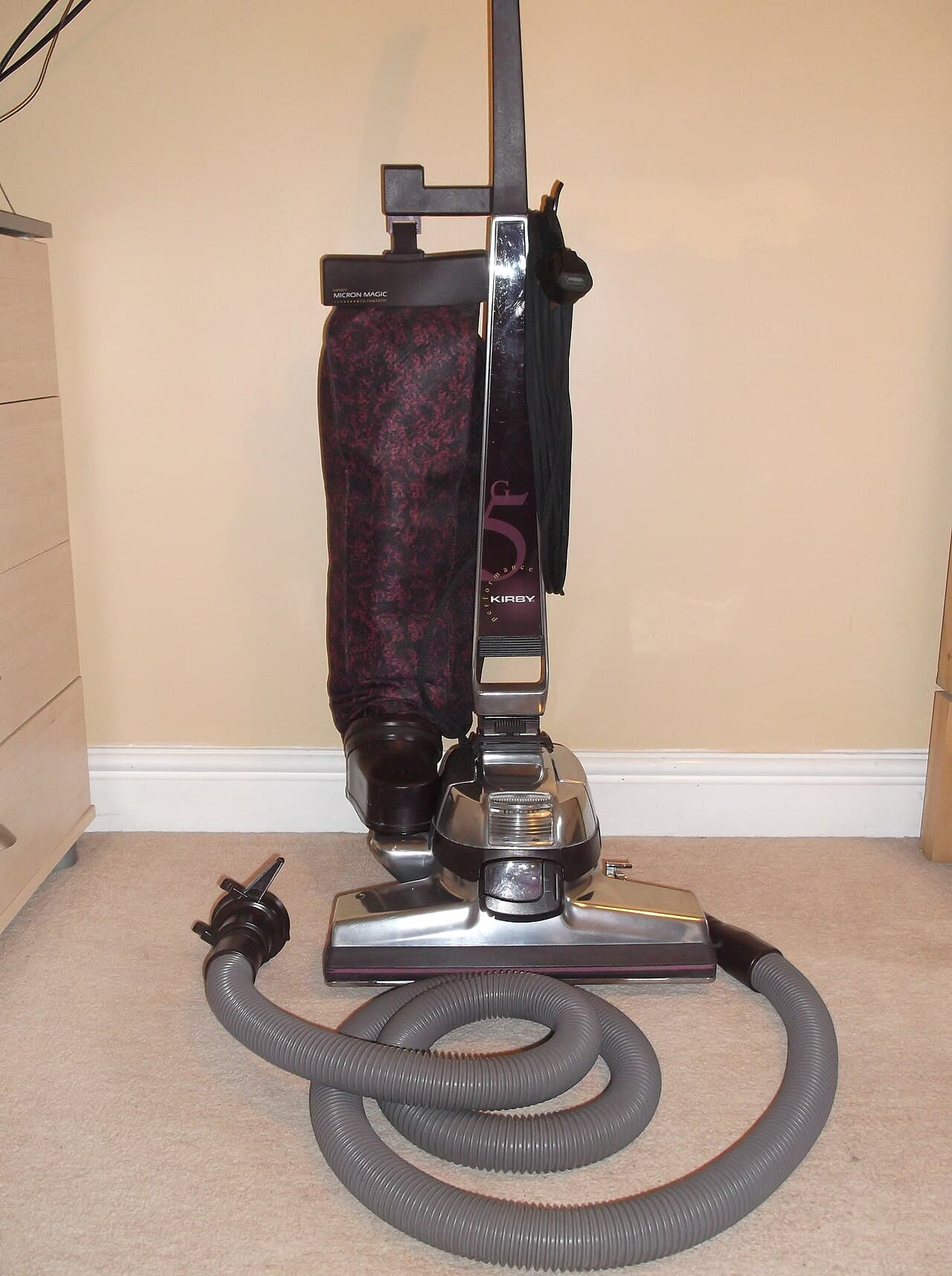
The problem sits between the floor and the main unit. Detach the hose, wand and floor head and look through each piece. Common hiding places are the neck of the floor head, bends in the hose and the joints of the wand. Push blockages out carefully with a narrow tool such as a broom handle.[1] Avoid sharp objects, which can puncture the hose and create a leak.[2]
Then deal with the brush roll. With the machine unplugged, turn the floor head over and cut away the hair and thread wrapped round it. Check the belt too. A brush roll can still spin yet clean poorly when the belt is stretched.[1] That gives you plenty of airflow and little pickup, which feels like weak suction.
Check for air leaks
If the motor sounds strong but little reaches the bin, look for a leak. Cracks, loose cuffs or a badly seated bin or door let air escape instead of pulling debris in.[1] A high-pitched whistle or hiss is the classic sign of a leak.[2] Press the bin and any filter doors fully home, check the hose along its whole length for splits, and replace a cracked hose or worn seal rather than taping it.
Stop and call a pro if
Stop and have the machine looked at if you see any of these, all of which Dreame lists as signs of a motor or electrical fault:[2]
- A strong, acrid burning smell, which is different from an ordinary dusty odour.
- Loud grinding, screeching or rattling from the motor housing.
- Visible sparks through the motor vents.
- The vacuum shuts itself off repeatedly, which can mean overheating.
Do not keep running a machine that smells of burning.
Getting it fixed
If the checks above find nothing, the motor, a circuit board or a cordless battery is the likely culprit, and parts and labor can add up quickly. Read how much vacuum repair costs in Virginia before you decide between repair and replacement, and see how to maintain a vacuum so it keeps its suction once it is working again. More guides are in electronics repair answers, and you can find shops through small repair pros on Loclis.
When you are ready, describe the fault and local repair businesses can quote it.
Common questions
- How do I know whether the problem is the hose or the motor?
- Unplug the vacuum, detach the hose or wand, switch on and feel the exposed port. Strong suction means a clog or leak in the attachments; weak or no suction points to the main unit, meaning the bin, filters or motor.
- Can a dirty filter make my vacuum lose suction?
- Yes. A filter clogged with fine dust restricts the airflow, and clogged filters are among the first things manufacturers list for suction loss. Clean or replace it as your manual says, and let washable filters dry fully before refitting.
- Why does my vacuum have a strong motor sound but no pickup?
- That points to an air leak, a stalled brush roll or a stretched belt rather than a failing motor. Check the hose for splits, make sure the bin and filter doors are seated, and look at the brush roll and belt.
- Is it safe to use a coat hanger to clear a hose?
- Better not. Dreame warns that a sharp object could puncture the hose and create a leak. Use a blunt tool such as a broom handle, and work from one end to push the blockage out.
- When is a vacuum not worth fixing?
- When the motor or board has failed, the quote is close to the price of a similar new machine, or clogs and belt failures keep coming back after proper cleaning. Ask for a written quote and compare.
Sources
- [1] Vacuum Has No Suction: Causes and How to Fix It, ECOVACS. Checked October 28, 2026.
- [2] Why Has My Vacuum Lost Suction? A Step-by-Step Guide to Fix It Fast, Dreame. Checked October 28, 2026.
Want a pro to handle it?
Describe the job once. Licensed local businesses send quotes, and you pay only when you book one.
Get a quote for Electronics