Why is my dog acting strange after boarding?
Usually stress. A kennel means new smells, noise and a changed routine, so tiredness, clinginess, pacing, a poor appetite or extra licking often follow and ease within a day or two of normal routine. Coughing, vomiting, refusing food or water, or anything getting worse is a reason to call your vet.
Free to ask. Local shops send quotes, and you pay only when you book one.
By Kasra Taheri, Founder, LoclisPublished
Researched and drafted with AI, then checked claim by claim against the sources listed below before it was published. Prices and rules change; the dates beside each source say when it was last checked.
Step by step
Read when to stop and call a pro, further down this page, before you start.
Step 1: Give a quiet first day
Offer water, a calm resting spot and a normal-sized meal, and skip the dog park and visitors.
Step 2: Go back to the normal routine
Feed, walk and put the dog to bed at the usual times, because many pets thrive off of a regular routine.[1]
Step 3: Read the stress signals
Look for yawning, lip-licking, drooling, panting, pacing and a tucked tail, and give a worried dog space.[1]
Step 4: Give it something to do
Offer a chew, a food toy or a short training session so the dog has something else to focus on.
Step 5: Check the body
Feel for ticks, fleas, scratches and sore spots, and follow the product label if you treat for parasites.[3]
Step 6: Keep notes for a few days
Write down appetite, stool, coughing and energy so a vet visit starts with facts.
Step 7: Keep a coughing dog away from others
Call your vet and keep the dog away from other animals until it has been seen.[2]
A dog that comes home from boarding tired, clingy, hungry, jumpy or oddly quiet is usually coming down from a stressful few days. Most of it settles within a day or two once you are back to your normal routine. Coughing, vomiting, a dog that will not eat or drink, or anything that gets worse is a reason to call your vet.
Why boarding changes a dog's behaviour
A kennel is new smells, new noises, other dogs and a different schedule. Stress can cause unwanted behaviors and can lead to injury, illness, and aggression in cats and dogs.[1] Stress affects individual pets differently, so one dog sleeps for two days and another paces the house.
Common signs include appetite loss, excessive licking and scratching, and more barking than usual. Others are showing the whites of the eyes, yawning, lip-licking, drooling, panting, pacing and freezing in place.[1] Many dogs experience separation anxiety when away from their favorite humans,[1] so a dog that follows you from room to room for a week after pickup is telling you something, not misbehaving.
Overgrooming, however, can result in skin irritation and sores, which can become infected.[1] If the dog is licking one spot raw, look at it.
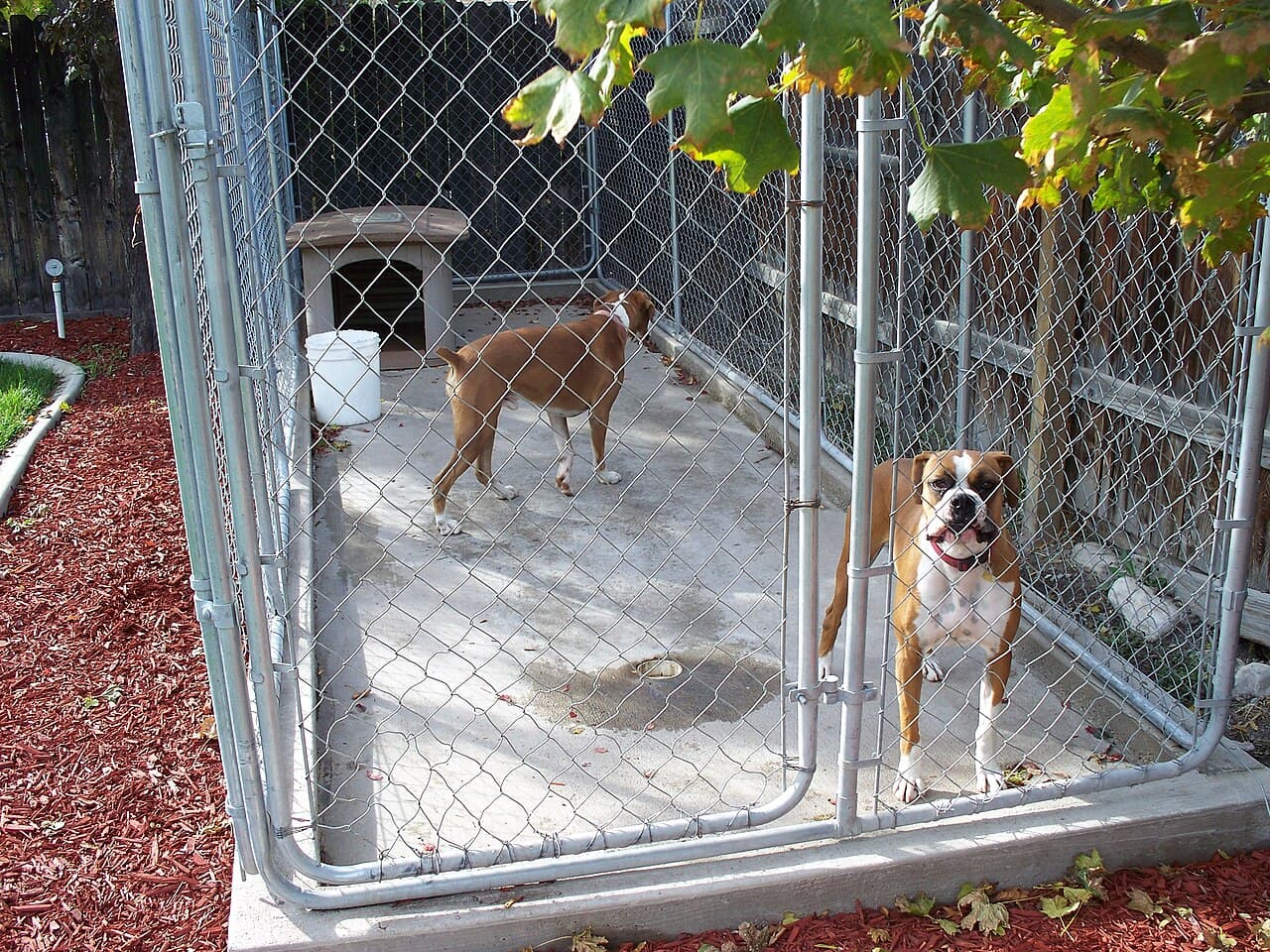
How to help your dog settle
- Quiet first day. Water, a calm resting spot and a normal-sized meal. Skip the dog park and visitors.
- Normal routine. Many pets thrive off of a regular routine, so feed, walk and bed down at the usual times.[1]
- Read the signals. An animal that is stressed goes into "fight or flight" mode and may lash out aggressively if pushed,[1] so give a worried dog space and keep children from crowding it.
- Give it something to do. A chew, food toy or short training session works better than extra fuss.
- Check the body. Feel for ticks, fleas, scratches and sore spots. If you treat for parasites, use flea and tick control products only on the animal species and size/weight specified by the product label.[3]
- Keep notes. Jot down appetite, stool, coughing and energy for a few days, so a vet visit starts with facts.
Signs that point to illness, not stress
Dogs who are exposed to crowded areas with poor ventilation, such as those found in kennels or animal shelters, are at higher risk for developing kennel cough.[2] Cold temperatures, exposure to cigarette smoke, and travel-induced stress can also increase a dog's risk for developing the infection.[2]
Look for a dry, "honking" cough, coughing to the point of retching, fever, loss of voice, and ocular or nasal discharge.[2] The most common cause is a bacterium called Bordetella bronchiseptica.[2] If you suspect it, you should contact your veterinarian and keep your dog away from other animals to prevent the spread of the disease.[2] That also means skipping daycare, grooming and the dog park until your vet says it is fine.
Do not assume every cough is kennel cough. There are many different problems that can cause a pet to cough, including an obstruction in the throat, primary lung disease, parasitism, cardiac disease, as well as infectious disease.[2]
If the change is not an illness, your vet can still help. Your veterinarian can determine if your pet's stress is caused by a medical problem,[1] and can talk through options if a dog is repeatedly distressed by boarding.
Making the next stay easier
Visit the facility before you book and ask how dogs are exercised, how often staff check on them and how they handle a sick or anxious dog. Pack the dog's own food, a familiar blanket and written feeding and medication notes. For a dog that clearly dislikes kennels, a sitter at home may suit better; see what to ask a pet sitter. For vaccine paperwork, read what vaccines a dog needs for boarding in Virginia, and for the price side, how much dog boarding costs in Virginia.
Stop and call a pro if
Call your vet the same day if the dog is coughing, has a fever, vomits repeatedly, has diarrhoea that lasts more than a day, will not eat or drink, is limping, has a wound or swollen eye, or is unusually lethargic. After a flea or tick product reaction: Contact your veterinarian and/or the National Pesticide Information Center at 1-800-858-7378.[3] If the dog snaps, growls or guards things it never did before, keep it apart from children and call your vet or a qualified trainer. If you think the facility caused an injury, ask for its incident record in writing.
Browse more pet services answers or see pet services on Loclis.
To find care for your dog, describe what you need and local pet care businesses will get in touch.
Common questions
- How long does a dog act strange after boarding?
- Most dogs settle within a day or two once they are back to their normal routine. If the change lasts longer, or the dog coughs, vomits or stops eating, call your vet.
- Is it normal for a dog to sleep a lot after boarding?
- Yes, it is common. A kennel stay is tiring and stressful, so extra sleep on the first day or two is not unusual. Keep water out and watch appetite and stool.
- Could my dog have kennel cough?
- A dry, honking cough, retching, fever or discharge from the eyes or nose can point to it. Contact your vet and keep the dog away from other animals, since many other problems also cause coughing.
- Why is my dog clingy after boarding?
- Many dogs experience separation anxiety when away from their favorite humans, so extra shadowing after pickup is common. A steady routine and some quiet time together usually help.
Sources
- [1] Is your pet stressed?, Virginia-Maryland College of Veterinary Medicine, Virginia Tech. Checked October 28, 2026.
- [2] Kennel Cough in Dogs (Pet Talk), College of Veterinary Medicine & Biomedical Sciences, Texas A&M University. Checked October 28, 2026.
- [3] Controlling Fleas and Ticks on Your Pet, U.S. Environmental Protection Agency. Checked October 28, 2026.
Want a pro to handle it?
Describe the job once. Licensed local businesses send quotes, and you pay only when you book one.
Get a quote from a local pro