Are HVAC maintenance plans worth it?
Often, if the plan delivers the spring cooling and fall heating check-ups ENERGY STAR recommends, at a price no higher than booking those visits one at a time, from a licensed Virginia business. It is not worth it if it covers less than a real tune-up, if you would not use the visits, or if it renews automatically on terms you have not read.
Free to ask. Local shops send quotes, and you pay only when you book one.
By Kasra Taheri, Founder, LoclisUpdated
Researched and drafted with AI, then checked claim by claim against the sources listed below before it was published. Prices and rules change; the dates beside each source say when it was last checked.
Step by step
Read when to stop and call a pro, further down this page, before you start.
Step 1: Price the visits one at a time
Ask the business what a single cooling check-up and a single heating check-up cost without the plan, so you have something to compare.[2]
Step 2: Match it to the checklist
Ask for the list of checks done at each visit and compare it with ENERGY STAR's maintenance checklist for your type of system.[1]
Step 3: Confirm the timing
Make sure the plan books cooling in the spring and heating in the fall, before the busy seasons.[1]
Step 4: Find out what costs extra
Ask whether refrigerant, parts, drain cleaning and after-hours calls are included, discounted or billed in full.
Step 6: Read the renewal terms
Before you pay, find the renewal date, the recurring charge and how to cancel, and keep the acknowledgment the seller sends.[3]
Step 7: Get it in writing
Ask for the plan's terms in writing, since routine maintenance and service contracts are excluded from Virginia's written-contract rule for residential contractors.[6]
Step 8: Keep every report
File the service report from each visit with your equipment's model numbers so the next contractor can see its history.[2]
An HVAC maintenance plan is worth it when it gets you the two check-ups a year your system should have anyway, done properly, for no more than you would pay booking them yourself. It is not worth it when the visits are thin, when you would forget to use them, or when the plan renews on terms you never read. The rest of this page is how to tell which kind of plan you are looking at.
What a plan is really buying
ENERGY STAR recommends having a contractor do annual pre-season check-ups, the cooling system in the spring and the heating system in the fall.[1] It also notes that contractors get busy once summer and winter come.[1]
A plan is a way of making sure those visits happen. Many plans add extras around the visits, such as priority scheduling or a repair discount; read exactly which ones this plan includes. Whether that is good value comes down to three things: what each visit includes, what the plan costs against single visits, and what you agree to when it renews.
Why the visits matter
The case for regular service is about the parts you cannot see. ENERGY STAR explains that dirty coils make the system run longer, raising energy costs and shortening the equipment's life,[1] and that too much or too little refrigerant makes the system less efficient.[1] It also says airflow problems can cut efficiency by up to 15 percent,[1] and that faulty electrical connections can cause unsafe operation and shorten the life of major components.[1] On a gas furnace, a dirty burner or cracked heat exchanger makes the furnace run less safely and efficiently.[1]
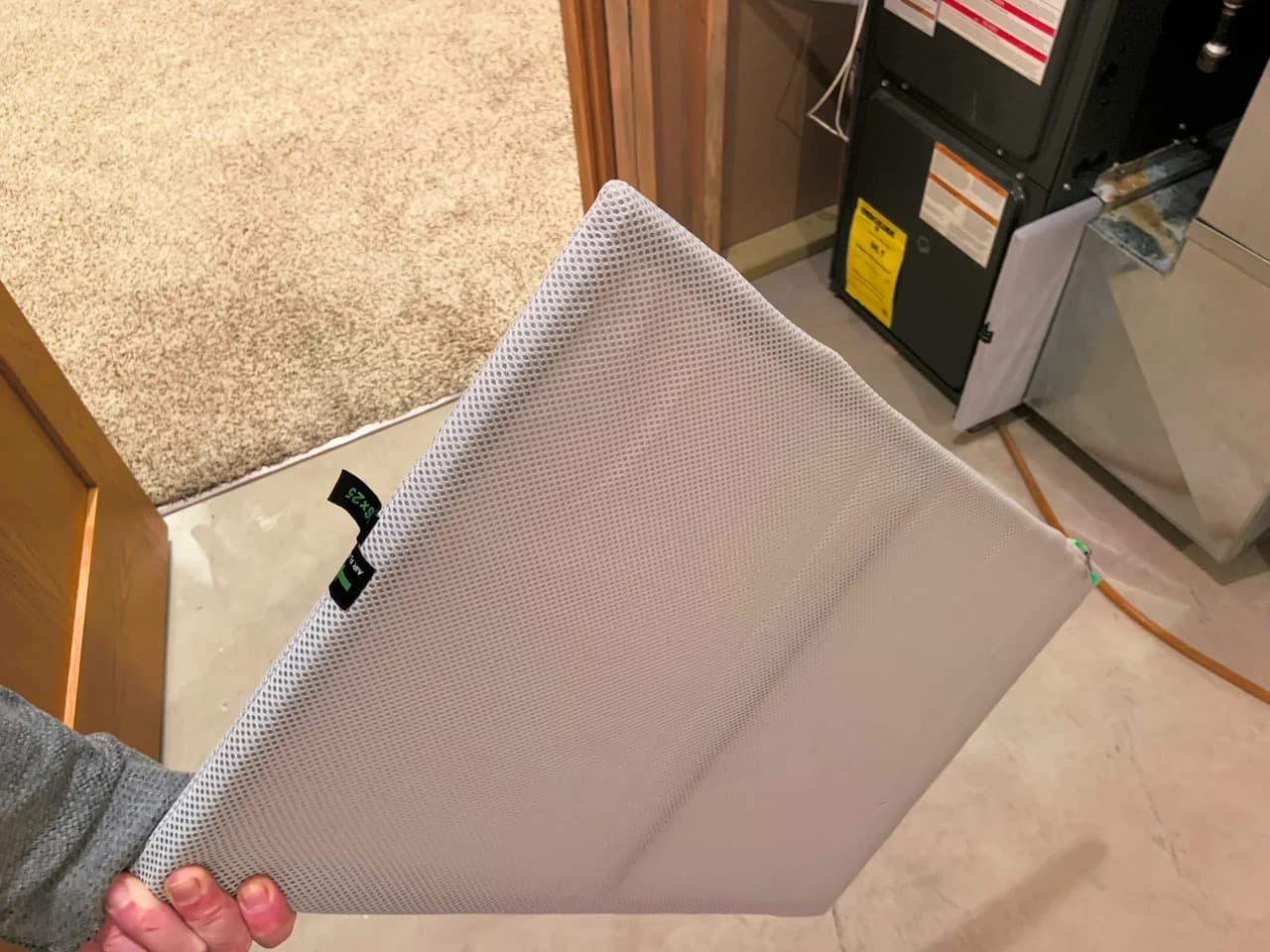
None of that is a homeowner job. The filter is: ENERGY STAR lists inspecting, cleaning or changing air filters once a month under the actions to do yourself,[1] and a plan does not replace that; see how often to change your furnace filter.
When a plan is a good deal
- You would otherwise skip the visits. The value of a plan is mostly that the visits get booked.
- Each visit matches a real tune-up. Ask for the checklist in writing and compare it with what a full check-up includes; what an HVAC tune-up costs in Virginia walks through ENERGY STAR's list.
- The price is at or below two single visits. Ask the business for its single-visit price; a plan that costs more needs to earn the difference in repair discounts you are likely to use.
- You have a heat pump. It heats and cools, so both visits are for the same machine.
When it is not
- The visit is a filter swap and a quick look. That is not the inspection the checklist describes.
- The plan is really a repair warranty. Virginia's insurance code treats a home warranty, an insurance contract to furnish, arrange for or pay for the service, repair or replacement of a home's systems or appliances for a set period and a set fee, as a home protection contract.[5] The same chapter says a service contract or warranty on the repair or service of a home system is exempt when it is issued by someone who has sold, serviced, repaired or replaced that system, as long as that person is not in the business of a home protection company.[4] Know which kind you are buying and read what each covers.
- The renewal terms are vague. Virginia's automatic renewal law requires a seller to present the renewal terms clearly and conspicuously before you are obligated, get your affirmative consent before charging your card or account, and send you an acknowledgment of the terms and how to cancel that you can keep.[3] It also requires an easy-to-use way to cancel that is at least as easy as the way you signed up.[3] A seller that cannot show you those terms up front is a reason to walk away.
Hiring the business behind the plan
The plan is only as good as the people doing the visits. Virginia's Code defines a tradesman as anyone who does electrical, plumbing or heating, ventilation and air conditioning work for the general public for compensation,[8] and no one may do that work without a tradesman licence unless they work under the supervision of a tradesman licensed in that specialty.[7] Check the business on DPOR's License Lookup.[9] For refrigerant work, EPA rules say technicians who maintain, service or repair equipment that could release ozone-depleting refrigerants must be certified.[10]
Get the plan in writing. Virginia's Board for Contractors excludes those who engage in routine maintenance or service contracts from its requirement that residential contractors use a legible written contract,[6] so the written terms may only exist if you ask for them. ENERGY STAR's hiring advice applies to plans too: get written, itemized estimates and compare them.[2]
Stop and call a pro if
A plan's next scheduled visit is not soon enough when:
- You smell gas near the furnace. Columbia Gas of Virginia tells customers to "go outside and call 911 and then call us at 1-800-544-5606 (24/7)."[11] Use your own gas supplier's emergency line if it is another company.
- A carbon monoxide alarm sounds, or people in the house have headaches, dizziness, confusion or nausea while a gas or oil furnace is running. EPA lists severe headaches, dizziness, mental confusion, nausea and fainting among the symptoms of CO poisoning,[12] and says that if anyone has symptoms when the alarm goes off, get them out of the house immediately and seek medical attention.[12] If no one has symptoms, it says to ventilate the home with fresh air, turn off the furnace and other fuel-burning appliances, and have a qualified technician inspect them.[12] Columbia Gas of Virginia gives the same instruction for carbon monoxide symptoms as for a gas smell: go outside and call 911, then the gas company.[11]
- Water is leaking from the indoor unit. Start with clearing a clogged condensate drain, and call if water has reached a ceiling.
- The system runs nonstop or blows the wrong temperature. See why an HVAC system runs all the time.
Finding a licensed business
Loclis lists DPOR-licensed HVAC businesses from the state register with their licence number and class. Look up HVAC businesses in Blacksburg or another town, browse HVAC maintenance, or see all heating and cooling answers.
If something needs fixing now, describe the job once and licensed local HVAC businesses quote it.
Common questions
- Is an HVAC maintenance plan the same as a home warranty?
- No. A home warranty that pays for repairs or replacement of home systems for a set fee is what Virginia's insurance code calls a home protection contract. A service contract issued by the business that sold or services your system is exempt from that chapter, as long as the business is not in the home protection business. A maintenance plan mostly buys scheduled check-ups; read what it says about repairs.
- How many visits should a maintenance plan include?
- Usually two for a home that heats and cools. ENERGY STAR recommends a pre-season check-up of the cooling system in the spring and the heating system in the fall. A home with only central air may need just the spring visit.
- Can I cancel an HVAC plan that renews automatically?
- Read the plan's own cancellation terms first. Virginia's automatic renewal law requires a seller to give you an easy-to-use way to cancel that is at least as easy as the way you signed up, and to send you an acknowledgment of the terms and how to cancel.
- Does a plan replace changing my own filter?
- No. ENERGY STAR's checklist puts inspecting, cleaning or changing the air filter once a month under the actions to do yourself, and adds that your contractor can show you how. A plan visit twice a year cannot keep up with a monthly check. See how often to change a furnace filter for the details.
- What should I do if the technician on my plan finds a problem?
- Ask for the finding and the repair price in writing, and ask whether the plan discount applies. You can get a second quote before agreeing to a large repair, unless it is a safety problem such as a gas smell or carbon monoxide symptoms, which need action right away.
Sources
- [1] Maintenance Checklist, ENERGY STAR, U.S. Environmental Protection Agency. Checked October 26, 2026.
- [2] 10 Tips for Hiring a Heating and Cooling Contractor, ENERGY STAR, U.S. Environmental Protection Agency. Checked October 26, 2026.
- [3] Va. Code § 59.1-207.46, Making automatic renewal or continuous service offer to consumer, Code of Virginia, Virginia General Assembly. Checked October 26, 2026.
- [4] Va. Code § 38.2-2601, Exemptions (home protection companies), Code of Virginia, Virginia General Assembly. Checked October 26, 2026.
- [5] Va. Code § 38.2-2600, Definitions (home protection companies), Code of Virginia, Virginia General Assembly. Checked October 26, 2026.
- [6] 18VAC50-22-260, Filing of charges; prohibited acts, Virginia Administrative Code, Board for Contractors. Checked October 26, 2026.
- [7] Va. Code § 54.1-1129, Necessity for licensure, Code of Virginia, Virginia General Assembly. Checked October 26, 2026.
- [8] Va. Code § 54.1-1128, Definitions, Code of Virginia, Virginia General Assembly. Checked October 26, 2026.
- [9] License Lookup, Virginia Department of Professional and Occupational Regulation. Checked October 26, 2026.
- [10] Section 608 Technician Certification, U.S. Environmental Protection Agency. Checked October 26, 2026.
- [11] Safety, Columbia Gas of Virginia. Checked October 26, 2026.
- [12] Protect Your Family and Yourself from Carbon Monoxide Poisoning, U.S. Environmental Protection Agency. Checked October 27, 2026.
Want a pro to handle it?
Describe the job once. Licensed local businesses send quotes, and you pay only when you book one.
Get a quote for HVAC Repair