How long does a pool pump last?
No source puts a single number on it. ENERGY STAR treats seven to ten years as an age at which to look for warning signs such as noise, weak flow, overheating or slow starts, and Hayward says its pump gives many years of service. Cleaning the basket, never running it dry, correct voltage and freeze protection help it last.
Free to ask. Local shops send quotes, and you pay only when you book one.
By Kasra Taheri, Founder, LoclisPublished
Researched and drafted with AI, then checked claim by claim against the sources listed below before it was published. Prices and rules change; the dates beside each source say when it was last checked.
This is a job for a licensed pro in Virginia
This page explains what the work involves, the permits, what a licensed pro does and what drives the cost. It does not give step-by-step instructions, because this work needs a licence, a permit or both, and doing it wrong can injure someone. Before you hire, check the licence on Virginia's DPOR record.
There is no single lifespan for a pool pump, and the primary sources do not give one. ENERGY STAR treats seven to ten years as the age at which a pump deserves a closer look, and Hayward says its pump is built for "many years" of service. How long yours lasts depends on how it is kept: clean baskets, water in the housing, correct voltage and protection from freezing.
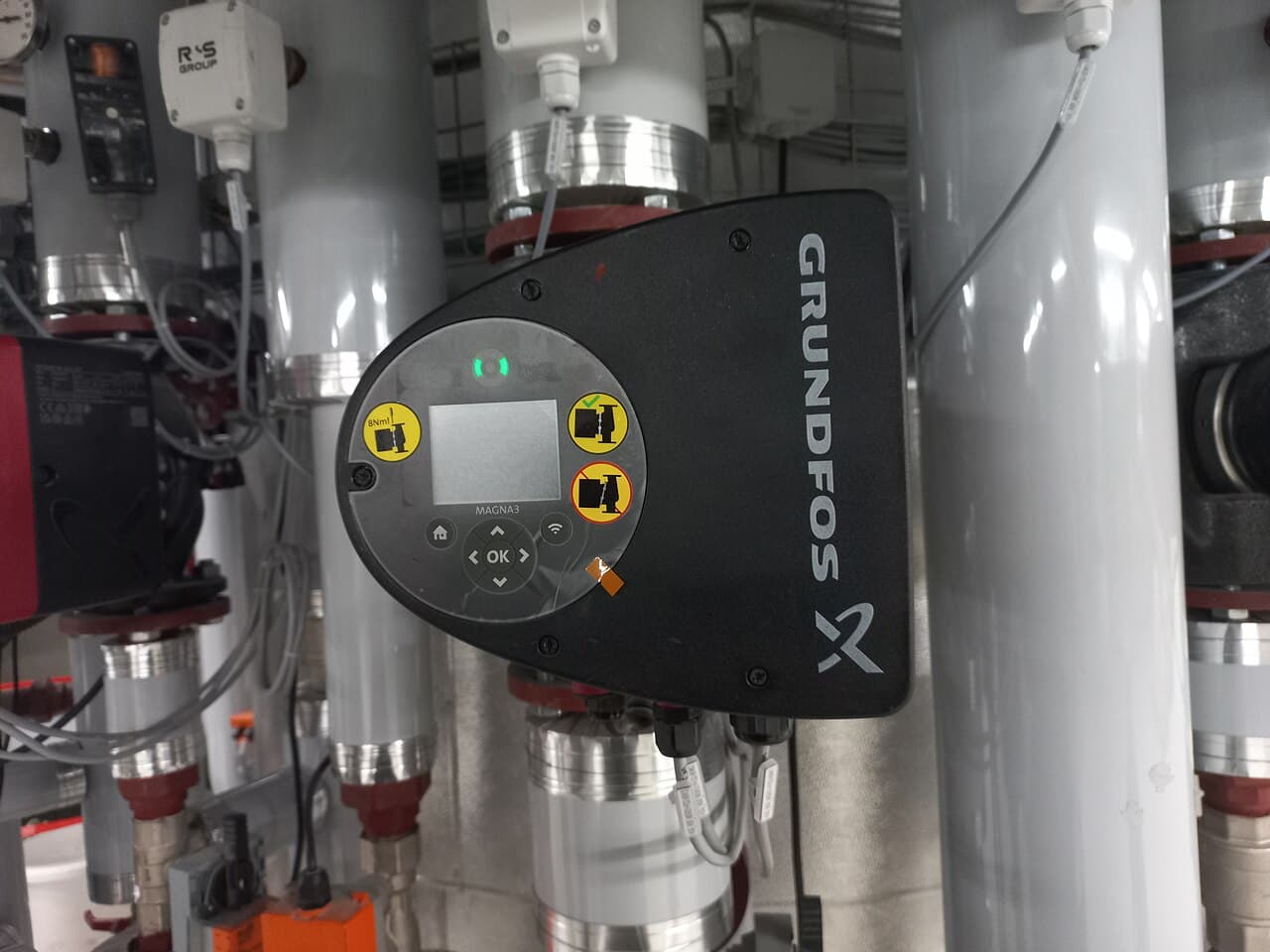
What the sources do say about age
ENERGY STAR's fact sheet for pool owners lists the signs that it may be time to call a pool services contractor: a pump that is seven to ten years old, does not seem as powerful, makes continuous noise, gets hot and shuts off, hums or buzzes but will not start, or starts slowly.[2] Age is one flag among several. A seven-year-old pump that runs quietly and moves water well is not a candidate for replacement just because of its date.
Hayward's owner's manual describes its Super Pump as built with a seal and impeller design that will provide many years of efficient, dependable, corrosion-free service.[1] It does not put a number on it, and neither does the manual's one-year limited warranty, which covers defects in materials and workmanship for one year from the date of purchase in single family residential use.[1] The warranty is not a life expectancy.
Variable-speed and multi-speed pumps may last longer. ENERGY STAR says variable speed pumps are quieter, require less maintenance and last longer, and that slower circulation puts less strain on the filters, plumbing and other parts.[3]
What shortens a pump's life
Most early failures trace to a short list.
Running dry. Hayward says never to operate the pump without water, because water acts as a coolant and lubricant for the mechanical shaft seal, and running it dry may damage seals, causing leakage, flooding and a voided warranty.[1]
Chemicals at the suction. Hayward warns against adding chemicals directly in front of the pump suction, since undiluted chemicals may damage the pump and void the warranty.[1]
Freezing. The manual says allowing the pump to freeze will void the warranty, and that all water should be drained from the pump and piping when freezing temperatures are expected or the pump is being stored for a long time.[1] Virginia winters get cold enough that this matters, so have your pool company handle the shutdown rather than leaving the pump full. See why pool pipes freeze over winter for how it happens.
Wrong or weak power. Hayward says the voltage at the motor must not be more than 10% above or below the nameplate rating, or the motor may overheat, causing overload tripping and reduced component life.[1] Hayward's troubleshooting guide names undersized wiring and extension cords as frequent causes of low voltage.[1]
Heat and damp. Hayward strongly advises protecting the electrical components from the weather, choosing a well-drained spot that will not flood, and not installing the pump in a damp or non-ventilated location, because motors need free circulation of air for cooling.[1]
Habits that help
Keep the strainer basket clean. The manual says to clean the strainer basket regularly and to inspect the strainer cover gasket regularly, replacing it as necessary.[1] A clogged basket starves the pump and makes it work harder.
Keep the motor clean and its air vents unobstructed. Hayward says not to use water to hose off the motor.[1]
Do not ignore a drip at the pump. The manual says shaft seals must occasionally be replaced due to wear or damage, and that all seal leaks should be replaced at once.[1] A small leak at the seal can let chlorinated water into the motor bearings, which is how a cheap part becomes a dead motor.
Listen for changes. A new whine, a grinding sound or a pump that hums before it starts is the early warning. Why a pool pump hums but does not run explains what that means.
Repair or replace
When a pump approaches the ten-year mark, the question becomes cost. A seal or a motor on an otherwise sound pump is a reasonable repair; a cracked housing or a motor that keeps failing usually is not. The sibling guides on whether it is worth fixing a pool pump motor and what pool pump repair costs in Virginia lay out the trade-off. ENERGY STAR notes that certified in-ground pool pumps use 20% less energy than standard pool pumps, which is worth weighing if you are replacing anyway.[3]
When to call a licensed pro
Pump servicing is a job for a pro: Hayward says its pump should be installed and serviced only by a qualified professional, and that all wiring must be done by a licensed electrician.[1] In Virginia no individual may work, or offer to work, as an electrical tradesman without a tradesman licence, unless working under the supervision of a tradesman licensed in that specialty.[4][5] If the work is valued at $1,000 or more, DPOR says a valid Virginia contractor's licence is required for the licence category in which the contractor is to work.[6]
DPOR advises getting at least three written bids or estimates using identical plans and specifications.[6] Ask each bidder to state the pump model, the parts replaced and the warranty. Browse pool and spa equipment answers or find pool and spa businesses near you.
To have licensed local businesses inspect or replace an ageing pump, describe the pool pump job once.
Common questions
- Is ten years the limit for a pool pump?
- No source sets a hard limit. ENERGY STAR lists seven to ten years as one warning sign among several, such as noise, weak flow, overheating and slow starts.
- Does the warranty tell me how long the pump should last?
- No. Hayward's limited warranty covers defects in materials and workmanship for one year from purchase, and excludes damage from freezing, negligence and improper use or care.
- Do variable-speed pumps last longer?
- ENERGY STAR says variable speed pumps are quieter, require less maintenance and last longer, and put less strain on the filters and plumbing.
- What kills a pool pump early?
- Running it dry, putting undiluted chemicals in front of the suction, letting it freeze, low or wrong voltage, and poor ventilation or damp, according to Hayward's manual.
- Should I replace a seal leak right away?
- Yes. Hayward says all seal leaks should be replaced at once, and a licensed pro should do the work.
- Who should service my pool pump in Virginia?
- A qualified professional. Wiring needs a licensed electrician, and Virginia requires a tradesman licence for electrical work unless supervised by a licensed tradesman.
Sources
- [1] Super Pump Series Owner's Manual (ISSPSERIES, Rev D), Hayward Industries. Checked October 28, 2026.
- [2] Make a Savings Splash with an ENERGY STAR Certified Pool Pump, ENERGY STAR, U.S. Environmental Protection Agency. Checked October 28, 2026.
- [3] Pool Pumps, ENERGY STAR, U.S. Environmental Protection Agency. Checked October 28, 2026.
- [4] Va. Code § 54.1-1128, Definitions (Tradesmen), Code of Virginia, Virginia General Assembly. Checked October 28, 2026.
- [5] Va. Code § 54.1-1129, Tradesman license required, Code of Virginia, Virginia General Assembly. Checked October 28, 2026.
- [6] What You Should Know Before You Hire a Contractor, Virginia Board for Contractors, DPOR. Checked October 28, 2026.
Want a pro to handle it?
Describe the job once. Licensed local businesses send quotes, and you pay only when you book one.
Get a quote for Pool Equipment