What does replacing a pool pump motor involve?
A licensed electrician shuts off the circuit, removes the old motor, fits one with the matching horsepower, voltage and frame, usually replaces the shaft seal, reconnects and grounds it, bonds it to the pool structure, tests the GFCI, then primes the pump and checks for leaks. Virginia requires a tradesman licence for the electrical work.
Free to ask. Local shops send quotes, and you pay only when you book one.
By Kasra Taheri, Founder, LoclisPublished
Researched and drafted with AI, then checked claim by claim against the sources listed below before it was published. Prices and rules change; the dates beside each source say when it was last checked.
This is a job for a licensed pro in Virginia
This page explains what the work involves, the permits, what a licensed pro does and what drives the cost. It does not give step-by-step instructions, because this work needs a licence, a permit or both, and doing it wrong can injure someone. Before you hire, check the licence on Virginia's DPOR record.
Replacing a pool pump motor is a mechanical job and an electrical job, and in Virginia the electrical half belongs to a licensed electrician. A pro cuts power at the breaker, removes the old motor, fits a motor with the right horsepower, voltage and frame, reconnects the wiring, checks the grounding, bonding and GFCI protection, and then primes the pump and watches it run. Most of the time is spent on the wiring and the checks, not the bolts.
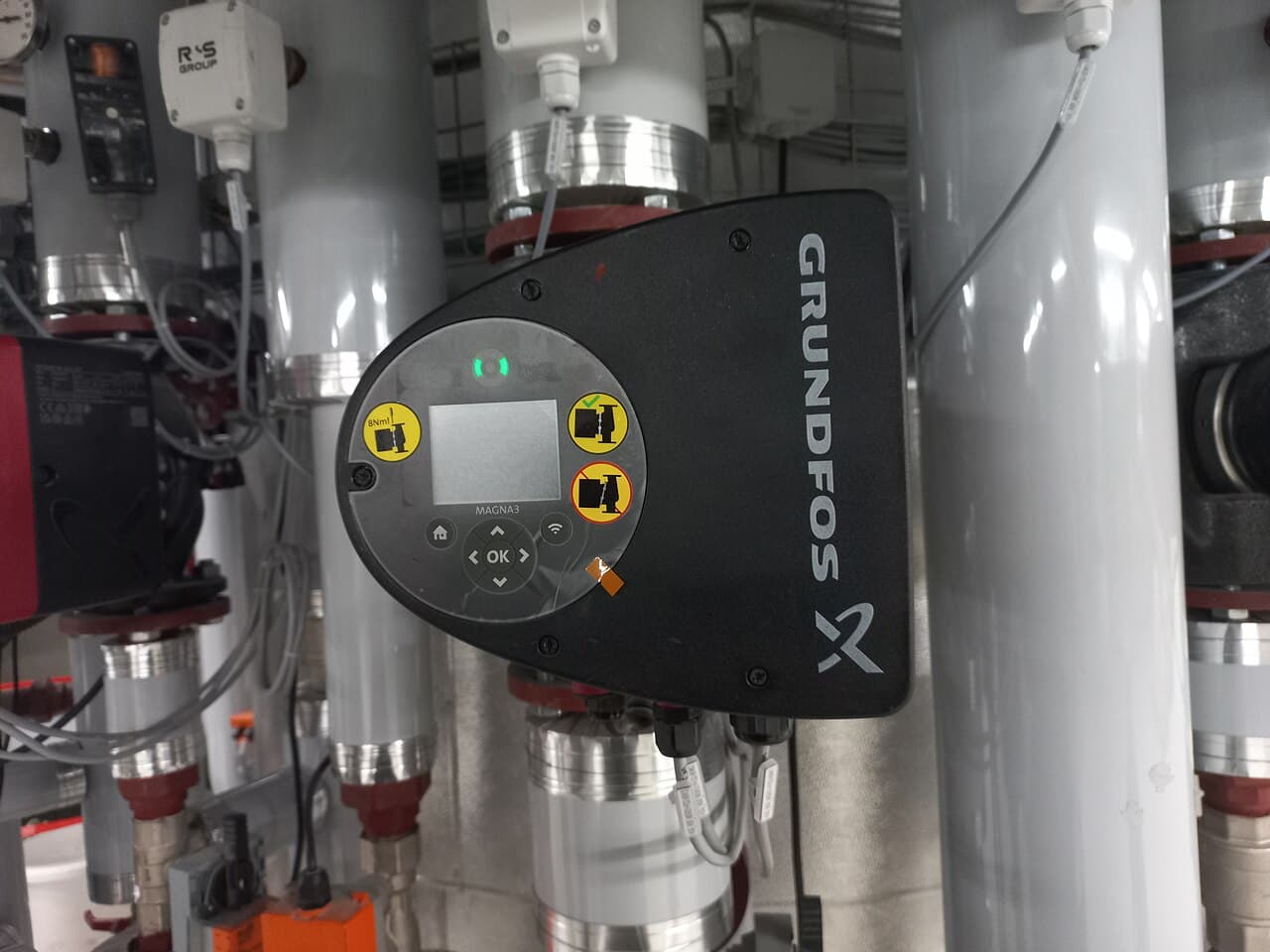
What the job covers
A pump has a wet end, where the water goes through a strainer housing, an impeller and a diffuser, and a dry end, the motor. Hayward's owner's manual for its Super Pump says the pump is designed so that the motor and entire drive group assembly can be removed without disturbing pipe or mounting connections.[1] That is why a motor swap does not normally mean cutting pipe.
On a typical visit the technician:
- confirms the motor is the problem, not a tripped GFCI, a failed capacitor, a jammed impeller or a clogged strainer
- matches the replacement to the old motor's nameplate: horsepower, voltage, single or two speed, and frame size
- replaces the shaft seal while the pump is apart, because the seal sits between the wet end and the motor
- reconnects the motor to its circuit, bonds it to the pool structure and tests the GFCI
- primes the pump, checks for leaks and air, and records the running pressure
Ask whether the quote includes the seal and any gaskets. They are cheap parts that are costly to skip. Hayward says only qualified personnel should attempt rotary seal replacement.[1]
Why the wiring is the part that needs a licence
The manual is blunt about who should do this work. Hayward says its product "should be installed and serviced only by a qualified professional," and that all wiring must be done by a licensed electrician and must conform to local and national codes and regulations.[1]
The manual gives specific reasons:
- Voltage must match. Hayward labels a mismatch a fire hazard and says supply voltage must match the motor nameplate voltage.[1] It adds that voltage at the motor must not be more than 10% above or below the nameplate rating, or the motor may overheat, causing overload tripping and reduced component life.[1]
- Bonding. Hayward says to bond the motor to the pool structure, which connects all metal parts within and around the pool with a continuous wire.[1] It warns that failing to bond all electrical equipment to the pool structure increases the risk of electrocution and could result in injury or death.[1]
- GFCI protection. Hayward says the pump must be permanently connected to a GFCI, and that if a power outage trips it the pump will not run normally until it is reset.[1]
A mistake in any of these may not show up when the pump runs. It shows up later, when somebody is standing in the water.
Motor only, or the whole pump
A motor-only repair keeps the wet end you have. A new motor on an old pump makes sense when the housing, impeller and diffuser are in good shape. If the wet end is cracked or worn, or if you want a variable-speed model, the whole pump is the better buy, and the cost question is covered in is it worth fixing a pool pump motor.
ENERGY STAR describes warning signs that it is time to call a pool services contractor, such as a pump that is seven to ten years old, does not seem as powerful, makes continuous noise, gets hot and shuts off, hums or buzzes but will not start, or starts slowly.[2] If the pump hums and will not start, the cause is often not the motor itself, so ask for the diagnosis in writing before you agree to a replacement.
Permits
Virginia's building code requires a permit application before installations or alterations involving electric wiring.[3] Whether a like-for-like motor swap triggers a permit and inspection is decided by your locality's building department, so ask the business whether it will pull one and whether the fee is in the quote. Do not assume the answer.
When to call a licensed pro
For the whole job, from the first test of the circuit to the final GFCI check. In Virginia no individual may work, or offer to work, as an electrical tradesman without a tradesman licence, unless working under the supervision of a tradesman licensed in that specialty.[4][5] DPOR also says that if the work is valued at $1,000 or more, a valid Virginia contractor's licence is required for the licence category in which the contractor is to work.[6] Look the business up in DPOR's licence search first; how to check if a contractor is licensed in Virginia shows how.
DPOR advises getting at least three written bids or estimates using identical plans and specifications so you can compare prices and contractors.[6] For a pump, "identical" means the same motor specification, the same seal and gasket parts, and the same permit and warranty terms. If you want the cost side first, read how much pool pump repair costs in Virginia.
Loclis lists DPOR-licensed businesses with their licence number and class. Browse pool and spa equipment answers or find pool and spa businesses near you.
To have licensed local businesses quote the job, describe the pool pump problem once.
Common questions
- Can I replace a pool pump motor myself?
- Not in Virginia unless you are a licensed electrician. Hayward's manual says its pump should be installed and serviced only by a qualified professional and that all wiring must be done by a licensed electrician.
- Does replacing the motor mean replacing the whole pump?
- No. A motor can be replaced on its own, and Hayward's Super Pump is designed so the motor and drive group come out without disturbing the pipes. If the wet end is also worn, or you want a variable-speed model, replacing the whole pump can make more sense.
- Should the shaft seal be replaced at the same time?
- Usually yes, since the pump is already apart and the seal sits between the wet end and the motor. Hayward says only qualified personnel should attempt rotary seal replacement. Ask for it on the quote.
- Why does the motor have to be bonded?
- Bonding connects the metal parts in and around the pool with a continuous wire. Hayward warns that skipping it increases the risk of electrocution and could result in injury or death.
- Does a pool pump motor replacement need a permit in Virginia?
- Virginia's building code requires a permit application before work involving electric wiring. Whether a like-for-like swap needs one is up to your locality, so ask the building department or the business.
- How do I check a pool electrician's licence?
- Search the business and the electrician in DPOR's licence lookup before you agree to a price. Virginia does not allow electrical work without a tradesman licence unless supervised by a licensed tradesman.
Sources
- [1] Super Pump Series Owner's Manual (ISSPSERIES, Rev D), Hayward Industries. Checked October 27, 2026.
- [2] Make a Savings Splash with an ENERGY STAR Certified Pool Pump, ENERGY STAR, U.S. Environmental Protection Agency. Checked October 27, 2026.
- [3] 13VAC5-63-80. Section 108 Application for permit (Virginia Uniform Statewide Building Code), Virginia Administrative Code, Virginia General Assembly. Checked October 27, 2026.
- [4] Va. Code § 54.1-1128, Definitions (Tradesmen), Code of Virginia, Virginia General Assembly. Checked October 27, 2026.
- [5] Va. Code § 54.1-1129, Tradesman license required, Code of Virginia, Virginia General Assembly. Checked October 27, 2026.
- [6] What You Should Know Before You Hire a Contractor, Virginia Board for Contractors, DPOR. Checked October 27, 2026.
Want a pro to handle it?
Describe the job once. Licensed local businesses send quotes, and you pay only when you book one.
Get a quote for Pool Equipment