How much does facility maintenance cost for a small business in Virginia?
There is no single Virginia price. Facility maintenance is priced by the building's size and age, the scope of work, how often someone visits, and whether you pay a retainer, a per-visit fee or hourly. Your in-house labor floor is Virginia's minimum wage, $12.77 an hour in 2026. Write down the scope, then get three written bids on that same scope.
Free to ask. Local shops send quotes, and you pay only when you book one.
By Kasra Taheri, Founder, LoclisPublished
Researched and drafted with AI, then checked claim by claim against the sources listed below before it was published. Prices and rules change; the dates beside each source say when it was last checked.
Step by step
Read when to stop and call a pro, further down this page, before you start.
Step 1: List what the building has
Walk the space and list the systems and surfaces that need regular attention: heating and cooling units, lighting, restrooms, doors and locks, flooring, the roof and the parking area.
Step 2: Separate routine tasks from licensed trades
Mark which items are routine upkeep and which need a licensed contractor or tradesman, because the two are bid and priced differently.[4]
Step 3: Write the scope
For each task, write how often it should happen, what is included and what is not, and when the work may be done.
Step 4: Ask for three written bids
Send the same written scope to at least three vendors so the bids can be compared.[2]
Step 5: Compare line by line
Compare what each bid includes rather than the totals, and ask about any bid that is far below the rest.[2]
Step 6: Check licences
For any contracting work, confirm the vendor's licence class and number before you sign.[2]
Step 7: Put the terms in writing
Make sure the contract states the total price, when payments will be made and whether there is a cancellation penalty.[2]
There is no single Virginia price for facility maintenance, and a number quoted without seeing your building would be a guess. The cost follows the size and age of the space, what you want covered, how often someone comes, and how the vendor charges. The reliable way to a real figure is to write down the scope and get itemized written bids on it.
What drives the price
The building. A small, newer office with one heating and cooling unit is a different job from an older storefront with several units, a flat roof, a parking lot and a customer restroom. Age and condition matter more than square footage.
The scope. "Maintenance" can mean anything from changing light bulbs and filters to managing a roster of licensed trades. Decide which tasks are routine upkeep, which are inspections, and which are repairs you will pay for as they come up. The more precisely you write that down, the more comparable the bids.
How often. A weekly visit costs more than a quarterly one, and an after-hours or same-day emergency response costs more than next-week scheduling. If a bid does not say how fast the vendor responds, ask.
How the vendor charges. Most arrangements fall into three types:
- a monthly retainer for a defined list of recurring tasks
- a per-visit or per-call fee
- hourly labor plus materials for repairs
A retainer buys predictability. Paying per call can cost less when little goes wrong. Many small businesses end up with a retainer for the routine work and hourly pricing for repairs.
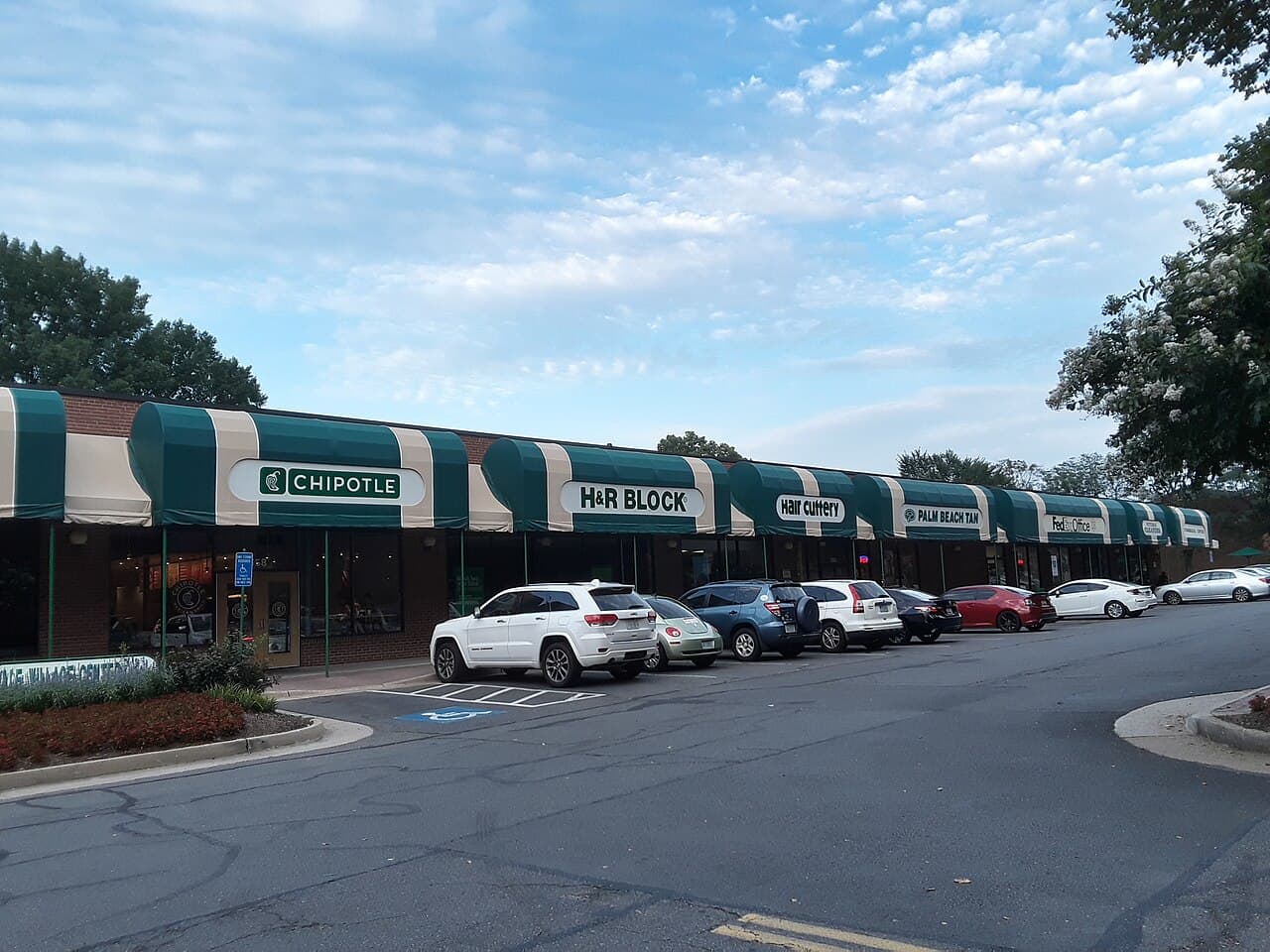
Who is responsible in a lease
Before you budget, check who owns which items. Virginia's Maintenance Code prescribes regulations for the maintenance of all existing buildings and structures and associated equipment.[6] It puts the duty on the owner: the owner of a structure shall provide and maintain all buildings, structures, systems, facilities, and associated equipment in compliance with this code unless it is specifically expressed or implied that it is the responsibility of the tenant or occupant.[6]
In a leased space, the lease usually settles it. Look for who handles the roof, heating and cooling, plumbing, the parking lot and shared areas, and who pays when something breaks.
The in-house alternative
Hiring someone costs more than their hourly rate once you add payroll costs, tools, supervision and cover for absences. The legal floor for the hourly rate is Virginia's minimum wage, which is the greater of $12.77 per hour or the federal minimum wage from January 1, 2026 until January 1, 2027, and the greater of $13.75 per hour or the federal minimum wage from January 1, 2027 until January 1, 2028.[1] What a maintenance person actually earns depends on skills and the local market, so check current local job postings and ask vendors for their rates. Whether in-house or outside help is cheaper depends on how much work there is; see whether a small business should outsource facility maintenance.
How to get bids you can compare
DPOR advises getting at least three written bids or estimates using identical plans and specifications so you can compare prices and contractors.[2] Give every vendor the same written scope and ask each to itemize:
- what is included, how often, and during which hours
- what is billed extra, such as parts, materials, after-hours calls and trip charges
- response time for urgent problems
- which work the vendor does itself and which it hands to licensed subcontractors
- insurance and licence details, and the term and cancellation terms of the contract
Treat a very low bid with care. A bid substantially lower than the others probably means the contractor has made a mistake or is not including all the work the competitors quoted.[2] The contract should include the total price, when payments will be made, and whether there is a cancellation penalty.[2] DPOR says never to let your payments get ahead of the contractor's work.[2]
Licences set what a vendor can take on
A general maintenance vendor can change filters and handle routine upkeep, but larger repairs have licence rules. DPOR says that if the work is valued at $1,000 or more, a valid Virginia contractor's license is required for the license category in which the contractor is to work.[2] No person may engage in, or offer to engage in, contracting work in Virginia unless licensed.[4] A Class C contractor handles a single contract over $1,000 but less than $30,000, and a Class B contractor a single contract of $30,000 or more but less than $150,000.[3]
Electrical, plumbing and heating and cooling work also needs licensed tradespeople: no individual may work as a tradesman unless licensed, except when working under the supervision of a tradesman licensed in that specialty.[5] A vendor that quotes everything at one low rate may be planning to send an unlicensed person to do this work. Check the licence before you sign.
Stop and call a pro if
- The task is electrical, plumbing or heating and cooling work beyond routine upkeep. It needs a licensed tradesman, as above.[5]
- The job is valued at $1,000 or more. It needs a licensed contractor.[2]
- You smell gas or smoke, or see sparks or water near electrical equipment. Leave the area and call 911 or the utility from outside.
- A bid, or a vendor's licence, does not add up. Do not pay a deposit until you have checked it.
Getting help in Virginia
Loclis lists DPOR-licensed businesses with their licence number and class. Browse commercial services or read more commercial answers.
To get itemized bids for your own space, describe the work once and licensed local businesses quote it.
Common questions
- Why can't anyone give me a flat price per square foot?
- Because the price follows the work, not the floor area. A small, newer office with one rooftop unit needs far less than an older retail space with several, a parking lot and a restroom that is used all day. Ask each vendor to price the same written scope and compare those bids.
- Is a monthly retainer cheaper than paying per visit?
- Not automatically. A retainer buys predictability and priority response, and it pays off when the building needs regular attention. If problems are rare, paying per call can cost less. Ask what the retainer covers, what counts as extra, and how fast the vendor responds.
- Does the owner or the tenant pay for maintenance in a leased space?
- It depends on the lease. Virginia's Maintenance Code puts the duty to maintain a building and its equipment on the owner unless it is expressed or implied that it is the tenant's or occupant's responsibility. Read the lease for who handles the roof, HVAC, plumbing and common areas before you budget.
- Does a maintenance vendor need a Virginia contractor licence?
- If the work is valued at $1,000 or more and counts as contracting work, yes. DPOR says a valid Virginia contractor's license is required for the license category in which the contractor is to work. Cleaning and simple upkeep are different from contracting, so ask the vendor which licences it holds.
- What if one bid is much cheaper than the others?
- Find out why before you sign. DPOR says a bid substantially lower than the others probably means the contractor made a mistake or left out work its competitors included. Go through the scope item by item.
- How much should I pay up front?
- As little as the contract allows. DPOR says to tie payments to the work and never let them get ahead of the contractor's work. For ongoing service, pay monthly or per visit after the work is done.
Sources
- [1] Va. Code § 40.1-28.10, Minimum wages, Code of Virginia, Virginia General Assembly. Checked October 27, 2026.
- [2] What You Should Know Before You Hire a Contractor, Virginia Board for Contractors, DPOR. Checked October 27, 2026.
- [3] Va. Code § 54.1-1100, Definitions, Code of Virginia, Virginia General Assembly. Checked October 27, 2026.
- [4] Va. Code § 54.1-1103, Necessity for license, Code of Virginia, Virginia General Assembly. Checked October 27, 2026.
- [5] Va. Code § 54.1-1129, Tradesman license required, Code of Virginia, Virginia General Assembly. Checked October 27, 2026.
- [6] 13VAC5-63-470, Virginia Maintenance Code, Section 103 Application of code, Virginia Administrative Code, Department of Housing and Community Development. Checked October 27, 2026.
Want a pro to handle it?
Describe the job once. Licensed local businesses send quotes, and you pay only when you book one.
Get a quote from a local pro