How much does it cost to open and close a pool in Virginia?
There is no single Virginia price. The cost depends on pool size and type, the cover, what the visit includes (chemicals, water testing, plumbing blowout) and the condition of the water. Get itemized written quotes for the same scope, and keep any deposit to 10% of the price or $1,000, whichever is less.
Free to ask. Local shops send quotes, and you pay only when you book one.
By Kasra Taheri, Founder, LoclisPublished
Researched and drafted with AI, then checked claim by claim against the sources listed below before it was published. Prices and rules change; the dates beside each source say when it was last checked.
Step by step
Read when to stop and call a pro, further down this page, before you start.
Step 1: List your pool details
Write down the pool's size, type, cover type and the equipment it has.
Step 2: Decide what you want covered
Decide whether you want opening only, closing only, or both, and whether chemicals should be included.
Step 3: Request written quotes
Ask at least three companies for itemized written quotes for the same scope.[2]
Step 4: Compare what is included
Compare chemicals, water tests, return visits and the price of extra treatment, not just the headline total.
Step 5: Check the deposit
Make sure any deposit is no more than 10% of the total price or $1,000, whichever is less.[2]
Step 6: Book early
Book the opening and the closing together before the spring and fall rush.
There is no single Virginia price for opening and closing a pool. What you pay depends on the size and type of pool, the cover, what the visit includes and how much trouble the water is in. The useful comparison is between itemized written quotes, so this page explains what drives the bill and what to ask for.
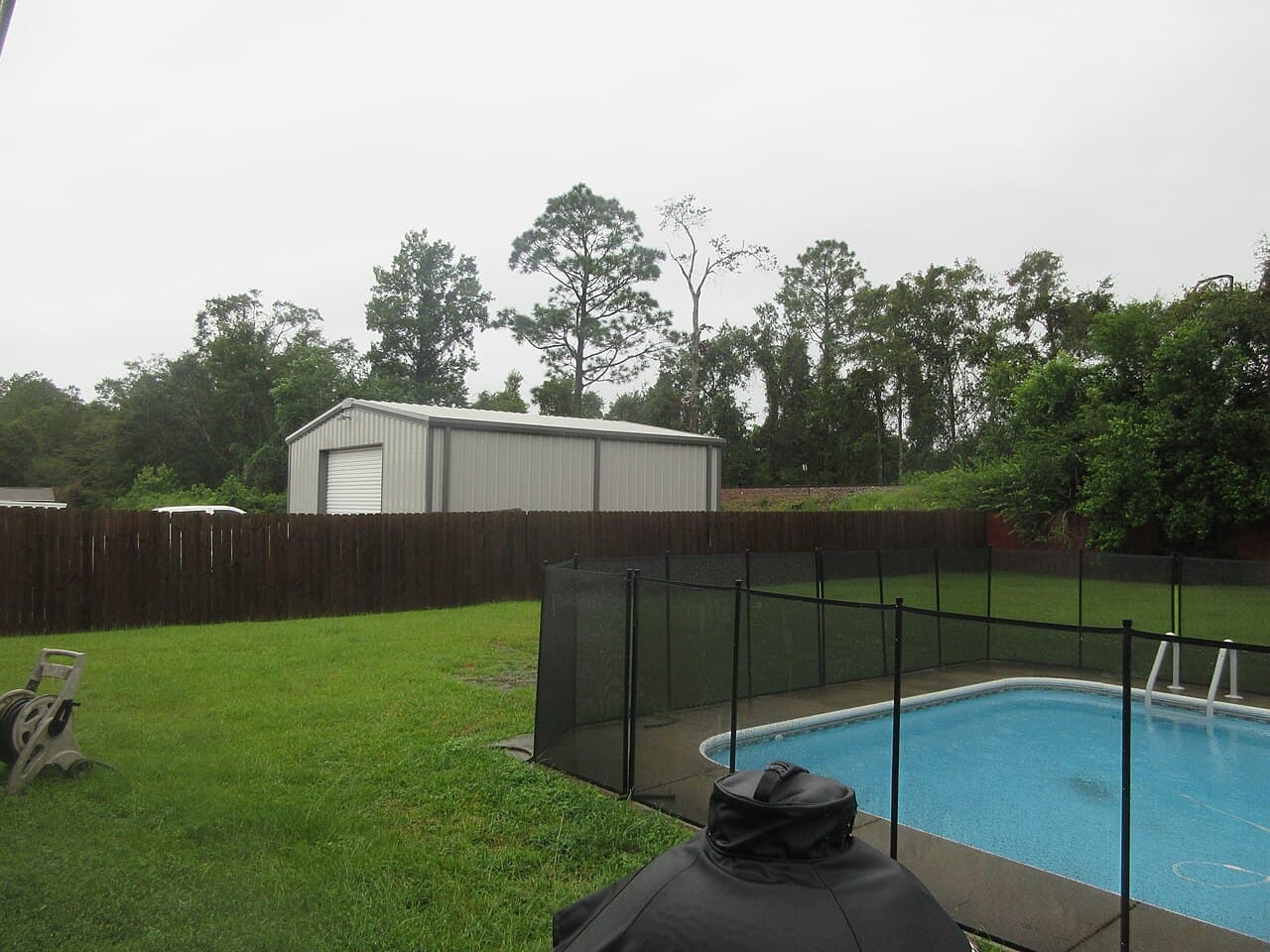
What an opening and a closing involve
An opening is not one task. A typical visit covers removing and cleaning the cover, putting back the ladders and rails, filling to the right level, starting the pump and filter, and testing and balancing the water. A closing reverses that: cleaning the pool, balancing the water, shutting down the equipment, protecting the plumbing from freezing, and covering the pool.
Public-pool guidance from the Portsmouth Health Department shows how much there is to do. Its public-pool winterization checklist includes covering the pool, flushing chlorinators and exercising the valves, and its spring checklist runs from refilling the pool to inspecting the deck.[1] A residential pool is simpler, but the same categories show up on a quote.
What drives the cost
Pool size and type. A larger pool takes more chemicals, more water and more time. An above-ground pool with a simple cover is quicker than an in-ground pool with a heavy safety cover and a lot of equipment.
The cover. A solid or mesh safety cover that is pulled across and anchored takes more labour than a floating tarp. Heavy covers often take two people.
What is included. Ask whether the price covers chemicals, a first-visit water test, a return visit to rebalance, and the pool plumbing blowout. Some companies quote the labour and bill chemicals separately. The health guide says cyanuric acid, or stabilizer as it is commonly known, should be added to pool water at the beginning of the pool season,[1] and that all reagents should be replaced at the beginning of each new season.[1] Chemicals and test supplies are a real part of an opening, so find out whether they are in the price.
Condition of the water. The same guide says that when filling a pool at the beginning of a season, it is important to get the water in balance as soon as possible.[1] A pool left uncovered or poorly closed can start the season green and need extra treatment. Ask how an unusually bad opening is billed.
Refill and repairs. If the pool was drained, a refill is more than a quick top-up; the guide's spring checklist says it "may take several days to refill pool".[1] A cracked skimmer, worn pump seal or damaged cover is a separate repair, not part of the opening.
Timing and access. Spring and fall are the busy seasons, so booking early often means a better schedule. Tight access for a crew, a steep yard or a long hose run can add time.
Get comparable quotes
Ask each company for the same things, in writing:
- Pool size, type and cover type.
- Exactly what is included in the opening and the closing, including chemicals and any water test.
- The price for extra visits, for shock treatment and for a green-water opening.
- What is not covered, such as repairs, heater work or a refill.
- Insurance and, for any repair work, licence details.
Virginia law requires all licensed contractors to provide a written contract for residential work.[2] The Board for Contractors suggests an initial deposit of no more than 10% of the total price or $1,000, whichever is less,[2] so a company that wants the full amount in advance for a routine opening deserves a second look. The Board for Contractors says that if the work you are considering is valued at $1,000 or more, a valid Virginia Contractor’s License is required for the license category in which the contractor is to work.[2]
Stop and call a pro if
- Anything electrical or gas is involved, such as a pool light, pump wiring, automation or a heater. Use a licensed tradesperson.
- You find cracks, leaks or a pump that will not prime while opening. Get a repair quote.
- A quote is unusually low or high with no breakdown. Ask for the detail in writing.
- You are asked to pay the whole amount upfront.
Getting help in Virginia
Compare doing it yourself with hiring in open and close it yourself or hire a pool company, see what the work looks like in how to open a pool in the spring, and learn about year-round service in how much weekly pool service costs in Virginia. Browse pool and spa services or more pool and spa answers.
When you are ready, describe the job once and local pool pros quote it.
Common questions
- Is there a standard price for opening a pool in Virginia?
- No. Prices vary with pool size and type, the cover, what is included and the condition of the water. Ask for an itemized written quote rather than relying on a general average.
- Are chemicals included in the price?
- Sometimes, sometimes not. Ask whether chemicals, water testing and a return visit are in the quote.
- Does a pool opening need a contractor's licence?
- A routine opening is service work. Repair work valued at $1,000 or more needs a valid Virginia contractor's licence.[^dpor-guide] Check any company's licence on DPOR's lookup.
- How much deposit is reasonable?
- The Board for Contractors suggests no more than 10% of the total price or $1,000, whichever is less.[^dpor-guide]
- When should I book?
- Spring and fall are busy, so book early, ideally when you schedule the closing for the same season.
Sources
- [1] Pool Operation and Maintenance Guide (compiled 2018), Portsmouth Health Department, Virginia Department of Health. Checked October 27, 2026.
- [2] What You Should Know Before You Hire a Contractor, Virginia Board for Contractors, DPOR. Checked October 27, 2026.
Want a pro to handle it?
Describe the job once. Licensed local businesses send quotes, and you pay only when you book one.
Get a quote from a local pro