How much does it cost to service a riding or push mower in Virginia?
Shops set their own prices for mower service, so quotes vary. A tune-up is parts (oil, air filter, spark plug, blade sharpening) plus labor and any pickup or diagnostic fee. A riding mower costs more than a push mower. Ask for an itemised written estimate first, and do the cheap jobs yourself.
Free to ask. Local shops send quotes, and you pay only when you book one.
By Kasra Taheri, Founder, LoclisPublished
Researched and drafted with AI, then checked claim by claim against the sources listed below before it was published. Prices and rules change; the dates beside each source say when it was last checked.
Step by step
Read when to stop and call a pro, further down this page, before you start.
Step 1: Disconnect the spark plug
Pull the spark plug wire off the plug before any work.[2]
Step 2: Start with fresh fuel
Use fresh fuel, and add stabilizer if the mower will sit.[3]
Step 3: Change the air filter and plug
Fit a new air filter, and a new plug if it is due, per the manual.[1]
Step 4: Clean under the deck
Scrape caked clippings from under the deck so rust does not set in.[1]
Step 5: Get a written itemised estimate
Ask any shop for an itemised estimate with parts, labor and any diagnostic or pickup fee listed separately.
What drives the bill
Shops set their own prices for mower service, so what you pay varies from shop to shop. The bill is built from a few things: the parts, the labor, a diagnostic or pickup charge, and the size and type of mower. A push mower with one spark plug is a smaller job than a riding mower, which has two.[1] A routine tune-up is parts you can see on the estimate: oil, an air filter, a spark plug, and a sharpened blade.
Cost depends most on whether the job stays routine. Air filters are often inexpensive and an easy method to keep your mower engine running smoothly,[1] and fuel filters are typically changed on an annual basis.[1] Typically, spark plugs are changed every two years.[1] Those parts are cheap. The expense comes from labor and from repairs that turn up once the cover is off: a worn belt, a gummed carburetor, a bent blade.
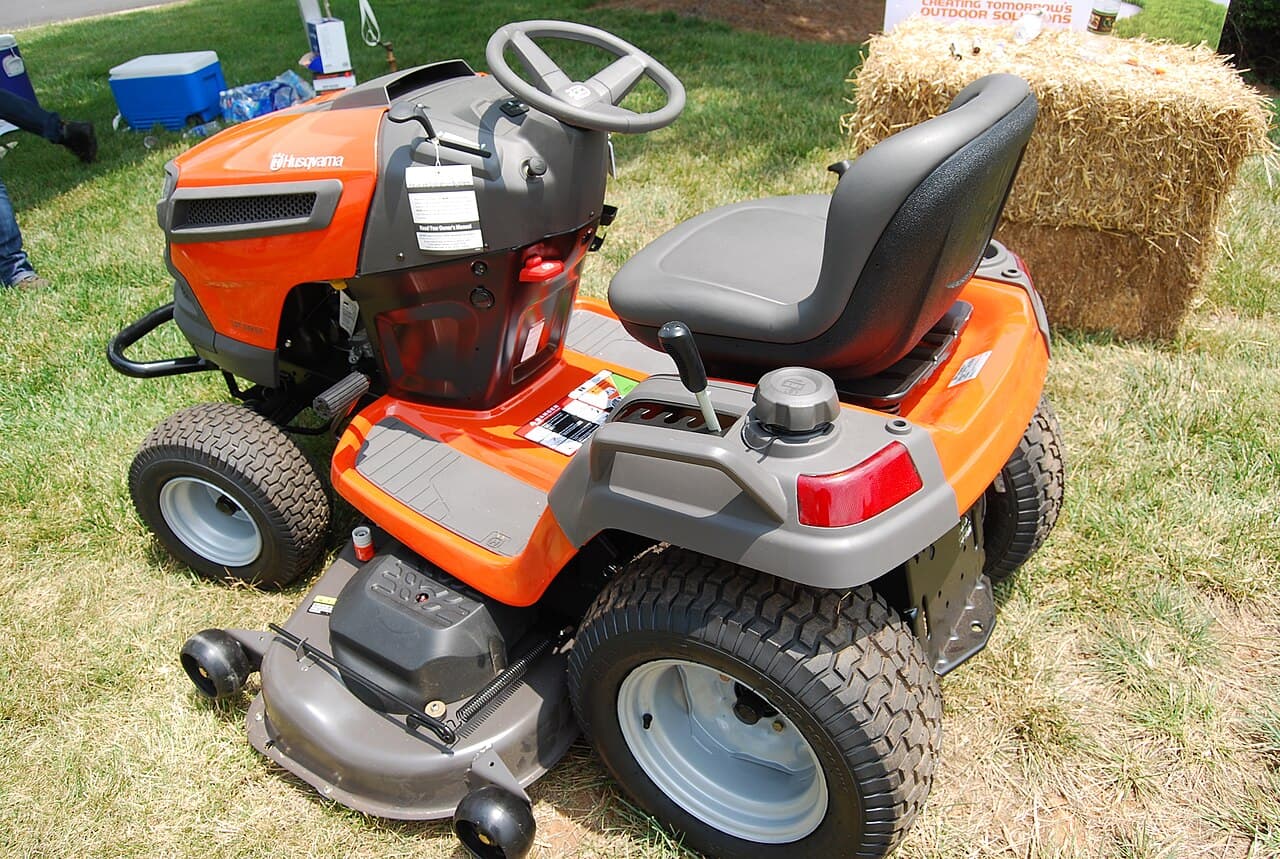
Push mower or riding mower
A push mower is quicker to service and easier to carry to a shop, so a tune-up is usually cheaper. A riding mower takes longer, may need a pickup or a mobile mechanic, and has more to inspect: two plugs, a deck, belts and a battery. For repairs beyond a tune-up, see riding mower repair costs and push mower repair costs.
How to keep the bill down
These are the jobs owners usually do themselves to cut the bill. Do them with the spark plug wire off. Virginia Cooperative Extension's guidance is to disconnect the spark or electric plug before troubleshooting or repairing the mower.[2]
Start with fresh fuel. Engines that are rarely or seasonally used, such as lawnmowers or chainsaws, are especially prone to difficulties,[3] and a stabilizer is the cheap fix if the mower will sit idle for more than a few weeks.[3] Then change the air filter and the plug, and keep the deck clear, because grass clippings stuck to the bottom of the mower deck hold water causing the metal to rust and shortening the lifespan of the equipment.[1]
Blade sharpening is its own line item. Many lawn service businesses also will sharpen blades,[1] and a sharpening kit is inexpensive. See what blade sharpening costs in Virginia.
What to ask the shop
Ask for a written, itemised estimate before they start. It should list parts and labor separately, say whether a diagnostic fee comes off the repair if you go ahead, and name any pickup or delivery charge. Ask what the service includes (oil, filters, plug, blade, deck clean) and whether they will call before doing work beyond the quote. Ask for the old parts back if you want proof they were replaced.
Stop and call a pro if
- The estimate keeps growing. Ask them to stop and explain each added line.
- The mower vibrates, smokes or leaks after a tune-up. Stop using it.
- You are unsure about the blade. The blades turn at 2,000 to 4,000 revolutions per minute.[2]
- It is a riding mower with a transmission, steering or electrical problem. Those are shop jobs.
Getting help in Virginia
Compare written quotes from two shops. Read how to tune up a mower for what the work involves and whether a yearly shop visit is worth it. Loclis also has more lawn equipment answers and local lawn equipment repair pros.
When you are ready, describe the mower once and local shops quote it.
Common questions
- Is a riding mower more expensive to service than a push mower?
- Usually, yes. It has two spark plugs where a push mower often has one, a deck and belts to check, and it takes more time and sometimes a pickup. Ask for an itemised quote either way.
- Which parts are cheap to replace?
- University of Illinois Extension calls air filters often inexpensive, and fuel filters and spark plugs are routine yearly or two-yearly parts. The bigger costs are labor and repairs found during the service.
- Should I pay a diagnostic fee?
- It is common. Ask whether it is credited against the repair if you go ahead, and get the fee in writing before you hand over the mower.
Sources
- [1] Mower Maintenance, University of Illinois Extension. Checked October 27, 2026.
- [2] Lawn Care: Rotary Mower Safety (BSE-42P), Virginia Cooperative Extension, Virginia Tech. Checked October 27, 2026.
- [3] Fuel Ethanol: Hero or Villain?, Penn State Extension. Checked October 27, 2026.
Want a pro to handle it?
Describe the job once. Licensed local businesses send quotes, and you pay only when you book one.
Get a quote for Lawn Equipment