How much does pet waste station service cost for an HOA in Virginia?
There is no official dated Virginia price to quote. Providers usually price by the number of stations, how often they service them and whether the station hardware is leased or bought. Count your stations, decide on a visit schedule and get at least two written quotes that state what each one includes.
Free to ask. Local shops send quotes, and you pay only when you book one.
By Kasra Taheri, Founder, LoclisPublished
Researched and drafted with AI, then checked claim by claim against the sources listed below before it was published. Prices and rules change; the dates beside each source say when it was last checked.
Step by step
Read when to stop and call a pro, further down this page, before you start.
Step 1: Count and map your stations
Walk the common areas and list every existing or planned station with its location, noting which ones sit on paths, near ponds or storm drains.
Step 2: Check the board's own records
Pull the last year of bag orders, trash pickup and any complaints, so you know how heavily each station is used.
Step 3: Decide on a service schedule
Pick a visit frequency for the busy season and the quiet season; heavily used stations near entrances usually need more visits than those at the edge of the property.
Step 4: Choose who owns the hardware
Decide whether the association will buy the stations or lease them, and who replaces a damaged one.
Step 5: Ask for written quotes
Request at least two quotes that state a price per station per visit or per month, what is supplied and what is excluded.
Step 6: Settle where the waste goes
Ask where the bagged waste is taken; Prince William County calls bagging pet waste and placing it in the trash the best disposal method.[1]
Step 7: Take it to the board
Compare the quotes like for like, then put the contract to a board vote with a short term and a clear way to cancel.
A pet waste station service for a homeowners' association in Virginia is priced by the station and the visit, and we have no dated Virginia price list from an official source to quote. What we can give you is what moves the price and what to put in a written quote, so your board can compare offers on equal terms.
What sets the price
Providers generally quote after they know a handful of things about your community.
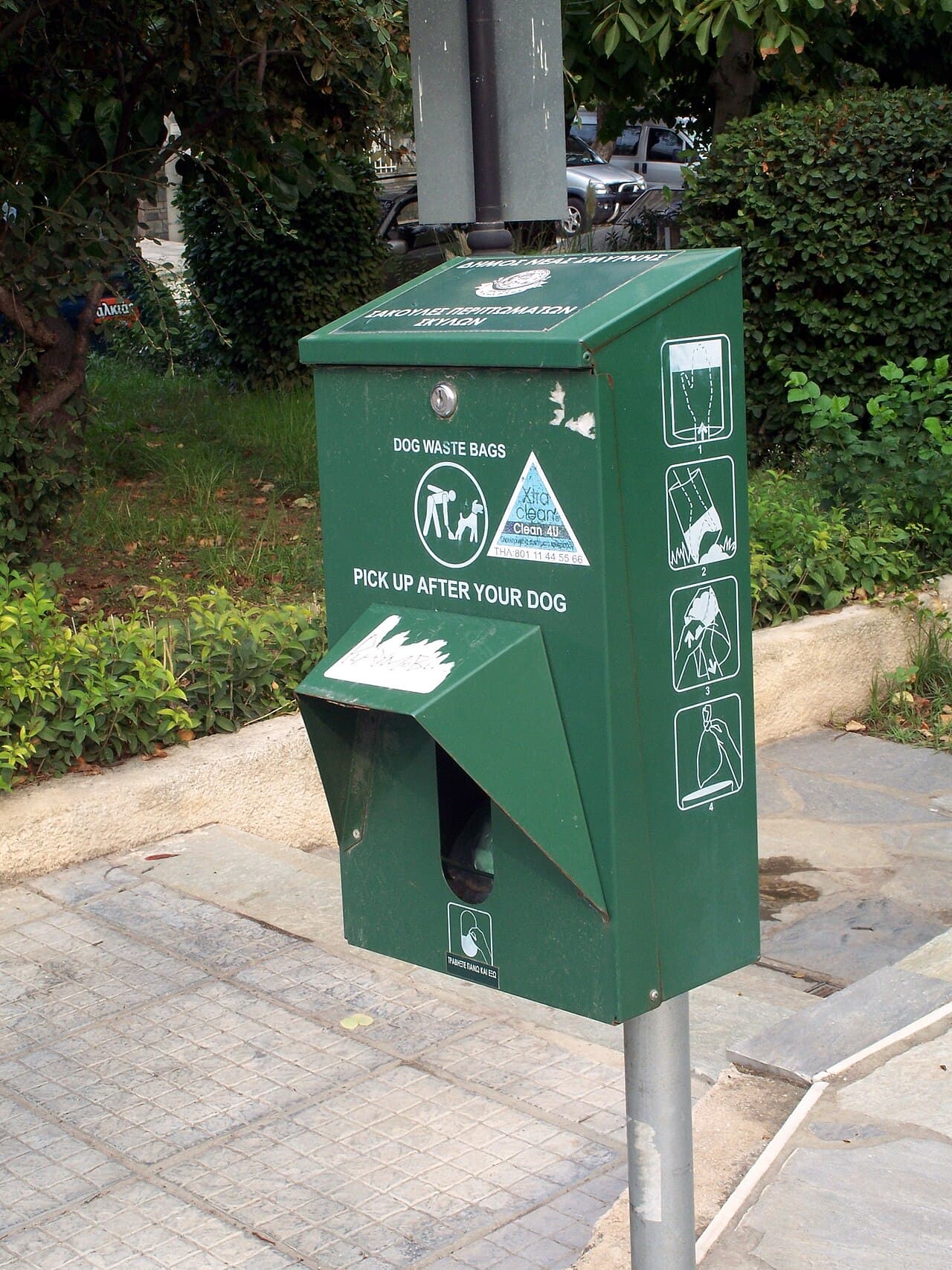
Number of stations. More stations means more stops. A service that can empty several stations along one path charges less per station than one that has to drive to scattered spots.
Visit frequency. Weekly service in spring and summer, when dogs are out most, costs more than every other week. Some communities switch to a lighter winter schedule.
Supplies. Bags are the biggest recurring item, and trash liners are the next. Ask whether each is included or billed separately, and whether the provider restocks to a set level.
Hardware. Stations can be bought outright or leased as part of a service plan. Buying means paying for the stations up front, while leasing can fold repair or replacement of a broken station into the service plan. Ask each provider to spell out which applies.
Layout and access. Stations on long loops, behind gates or on soft ground take more time to reach than those along a main road.
Where the waste goes. If the provider hauls it away, that is part of the price. If a station empties into your community's dumpster, you may pay for extra pickups instead.
Why bother servicing stations well
A neglected station is worse than none. An empty bag dispenser or an overflowing bin invites residents to skip the pickup, and the waste ends up on lawns and paths.
It also matters for water. Prince William County's stormwater office says pet waste can be a major contributor of bacteria and excessive nutrients to local waters, and it adds that some urban areas have found pet waste to contribute up to 50% of the total bacteria content in streams.[1] Stations near ponds, swales and storm drains are the ones to keep stocked first.
Virginia Cooperative Extension's pest guide lists "Good sanitation" among the ways to prevent flies and says to "Bag pet waste before putting in garbage pails."[2] A station that is emptied on a regular schedule helps with that.
Disposal rules to put in the contract
Bagging, then placing pet waste in the trash is the best disposal method, according to the county.[1] A good provider takes the bagged waste away or puts it in a trash container that is collected, rather than dumping it loose.
Do not let anyone send it to a compost pile. Chesterfield County's convenience-center drop-off lists pet waste under what not to compost.[3] Ask the provider in writing where it goes.
What to ask for in a written quote
Get at least two written quotes and compare the same items in each.
- Price per station per visit, or per month, and the number of stations it assumes
- Visit schedule, and what happens if a visit is missed
- Whether bags and liners are included, and whether restocking is unlimited or capped
- Who owns the stations, and who pays for a damaged or stolen one
- Where the waste is taken
- How you report a full station between visits, and how fast it is serviced
- Contract length, renewal terms and how to cancel
Do not accept a long auto-renewing term at the start. A trial of a few months shows whether the provider keeps to the schedule.
Doing it in-house or hiring out
A small community can sometimes service a few stations with a volunteer or the grounds crew already on site. It stops being a bargain when it is unreliable. If your groundskeeper already visits weekly, ask them to quote the stations as an add-on, and compare that with a specialist's quote.
Stop and call a pro if
- You find something that is not pet waste. A sewage smell, a wet patch that does not dry or a cracked pipe cover needs a licensed plumber or your utility, not a station service.
- A provider offers to do more than the job. If a company also offers drainage, tree, fence or concrete work, that is a separate job. Ask for its Virginia licence details and check them with DPOR before you agree.
- The price is far below everyone else's. Ask what is left out: bags, liners, replacement hardware or travel.
- Stations need to be installed in the ground. Digging posts near utilities or pavement is a job for a contractor, who should arrange utility marking first.
Getting help in Virginia
If you also want your own yard cleaned, see how much a dog poop scooping service costs in Virginia. Loclis lists local pros under pet services, and more questions are answered under pet services answers.
When you are ready, describe your community and the number of stations once and local pet-waste services quote it.
Common questions
- Is there a standard Virginia price per station?
- No dated, official price exists that we can quote. Providers set their own rates, so get written quotes that show the price per station and per visit, and what each one includes.
- What makes one quote higher than another?
- Mostly the number of stations, the visit frequency, the distance between stations, whether bags and liners are supplied and whether the hardware is leased. A quote that looks cheap may leave bags or hardware out.
- Can the waste go into a compost bin?
- No. Chesterfield County's convenience-center drop-off lists pet waste under what not to compost. Bagged waste belongs in the trash.
- Do stations actually help the community?
- They make it easier for owners to pick up. Prince William County's stormwater office says pet waste left on the ground allows harmful bacteria and nutrients to wash into storm drains and local water bodies.
- Should the HOA sign a long contract?
- Not at first. Start with a short term and a clear way to cancel, so the board can switch if visits are missed or stations overflow.
Sources
- [1] Stormwater Pollution Reduction, Prince William County, Department of Environmental Services. Checked October 27, 2026.
- [2] 2026 Pest Management Guide: Home Grounds and Animals, Nuisance Insects of the House and Yard, Virginia Cooperative Extension, Virginia Tech. Checked October 27, 2026.
- [3] Convenience Centers, Chesterfield County Waste and Resource Recovery. Checked October 27, 2026.
Want a pro to handle it?
Describe the job once. Licensed local businesses send quotes, and you pay only when you book one.
Get a quote from a local pro