How much snow is too much for a roof?
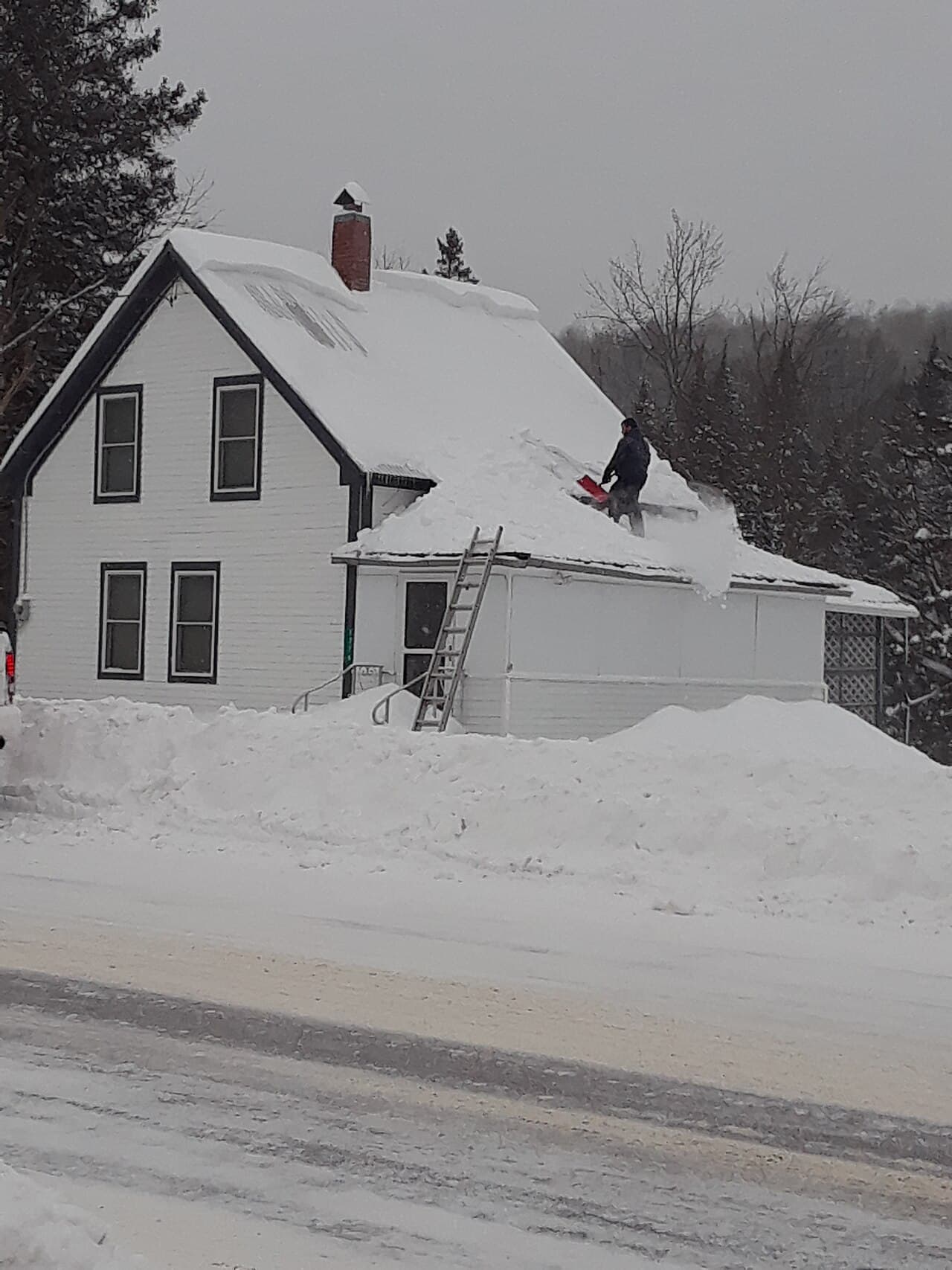
There is no single safe depth. Wet, drifted or rain-soaked snow weighs far more than dry snow, and roofs differ. Go by warning signs: Alexandria says roof sagging, new cracks in walls or ceilings, or popping and creaking mean evacuate. Do not climb up to check or shovel; have a licensed professional assess it.
Free to ask. Local shops send quotes, and you pay only when you book one.
By Kasra Taheri, Founder, LoclisPublished
Researched and drafted with AI, then checked claim by claim against the sources listed below before it was published. Prices and rules change; the dates beside each source say when it was last checked.
This is a job for a licensed pro in Virginia
This page explains what the work involves, the permits, what a licensed pro does and what drives the cost. It does not give step-by-step instructions, because this work needs a licence, a permit or both, and doing it wrong can injure someone. Before you hire, check the licence on Virginia's DPOR record.
Depth alone will not tell you, so go by what the roof and the building are doing. A roof is too loaded when the structure shows strain: sagging, new cracks in walls or ceilings, or popping and creaking. If you see those signs, get everyone out. If you only suspect a load problem, get a licensed professional to look. Do not climb up yourself.
What the warning signs look like
The City of Alexandria's guidance is blunt: "If you see signs of roof sagging, see new cracks in walls or ceilings, or hear popping and creaking noises, evacuate the building immediately."[1] If a collapse occurs, call 911.[1]
Noticing any of those is not a reason to go up and look. Stay on the ground, or better, stay outside.
Why there is no single safe depth
The same inches of snow can weigh very little or a great deal. Light, dry snow is mostly air, while wet, packed snow, or snow that has rained on, is far heavier. Drifting adds more on one side of a ridge or against a taller wall. And roofs differ: age, framing, pitch and any past alterations all matter.
Extension guidance from the University of Minnesota says that roofs, like the rest of the home, should be designed to withstand expected snow loads.[3] It adds that if your house is built to current codes, there should not be a structural problem.[3] That is reassuring for a recent house and less so for an older, altered or poorly maintained one. The same guide says a professional engineer should be able to evaluate the structure of your home and answer your questions about the strength of your roof.[3]
Snow that causes trouble before it is heavy
Leaks come well before collapse. The Building America Solution Center points out that ice dams can form with as little as 2 inches of snow accumulation on a roof.[2] Its explanation is that melting snow refreezes at the cold eaves and blocks drainage, and if enough water and ice accumulates on the roof, it could overwhelm the roof structure and cause a roof collapse.[2] Both problems share a cause, which is heat escaping into the attic.
Icicles along the eaves with bare patches higher up the roof are a sign of that. How to keep heavy snow from building up on a roof covers the long-term fix.
What to do instead of climbing up
Alexandria's advice is: "Do not climb on your roof to remove snow, as this is extremely dangerous."[1] It also says that if you are concerned about snow depth, homeowners should contact a licensed snow removal professional.[1]
Before you call, note the roof type, how deep the snow is in a few places, whether it is wet or has been rained on, and any signs listed above. When to hire someone to remove snow from a roof covers what to ask, how pros remove snow safely describes a careful visit, and what raking costs in Virginia explains the price drivers.
When to call a licensed pro
Call one if snow is deep, wet or drifted, if the roof is steep or icy, or if you have seen any structural sign. If the visit finds damage, the repair is roofing work. The Virginia Board for Contractors guide says that if the work is valued at $1,000 or more, a valid Virginia Contractor’s License is required for the license category in which the contractor is to work.[4] Check the licence on DPOR's lookup before you sign. If you suspect the framing itself, ask a licensed contractor or professional engineer to evaluate it, because snow removal does not fix a damaged structure.
More winter guidance is in snow and seasonal answers, and you can browse snow and seasonal services on Loclis.
To get a professional to look at your roof, describe the job once and local businesses reply.
Common questions
- Is there a safe number of inches of snow on a roof?
- No single depth is safe for every Virginia roof, and none should be trusted as one. The same depth can weigh very little when it is dry and powdery or a great deal after rain or wet snow, and roofs differ in age, framing and design. Go by the warning signs and by what a professional sees on your roof.
- What are the signs a roof is overloaded?
- The City of Alexandria lists three: roof sagging, new cracks in walls or ceilings, and popping or creaking noises. If you see them, evacuate the building immediately, and call 911 if a collapse occurs.
- Can I shovel my roof myself if the snow looks heavy?
- The City of Alexandria says not to climb on your roof to remove snow, because it is extremely dangerous. If the depth worries you, it advises homeowners to contact a licensed snow removal professional.
- Will my roof hold if the house was built to code?
- Extension guidance from the University of Minnesota says that a house built to current codes should not have a structural problem, because roofs should be designed for expected snow loads. It is a general statement, not a promise for an older house or one that has been altered, and it says a professional engineer can evaluate your roof if you are unsure.
- Does ice at the edge of the roof matter?
- Yes. An ice dam holds back melting snow, and the Building America Solution Center notes that this water can be drawn under shingles and cause leaks. It is a leak risk first, though it can add weight if ice and water pile up.
- Who do I call if I rent?
- The City of Alexandria says renters should contact their landlord or building manager.
Sources
- [1] Snow and Ice Control, City of Alexandria, Virginia. Checked October 27, 2026.
- [2] Attic Air Sealing, Insulating, and Ventilating for Ice Dam Prevention, Building America Solution Center, Pacific Northwest National Laboratory, U.S. Department of Energy. Checked October 27, 2026.
- [3] Dealing with and preventing ice dams, University of Minnesota Extension. Checked October 27, 2026.
- [4] What You Should Know Before You Hire a Contractor, Virginia Board for Contractors, Department of Professional and Occupational Regulation. Checked October 27, 2026.
Want a pro to handle it?
Describe the job once. Licensed local businesses send quotes, and you pay only when you book one.
Get a quote from a local pro