How do I keep heavy snow from building up on my roof?
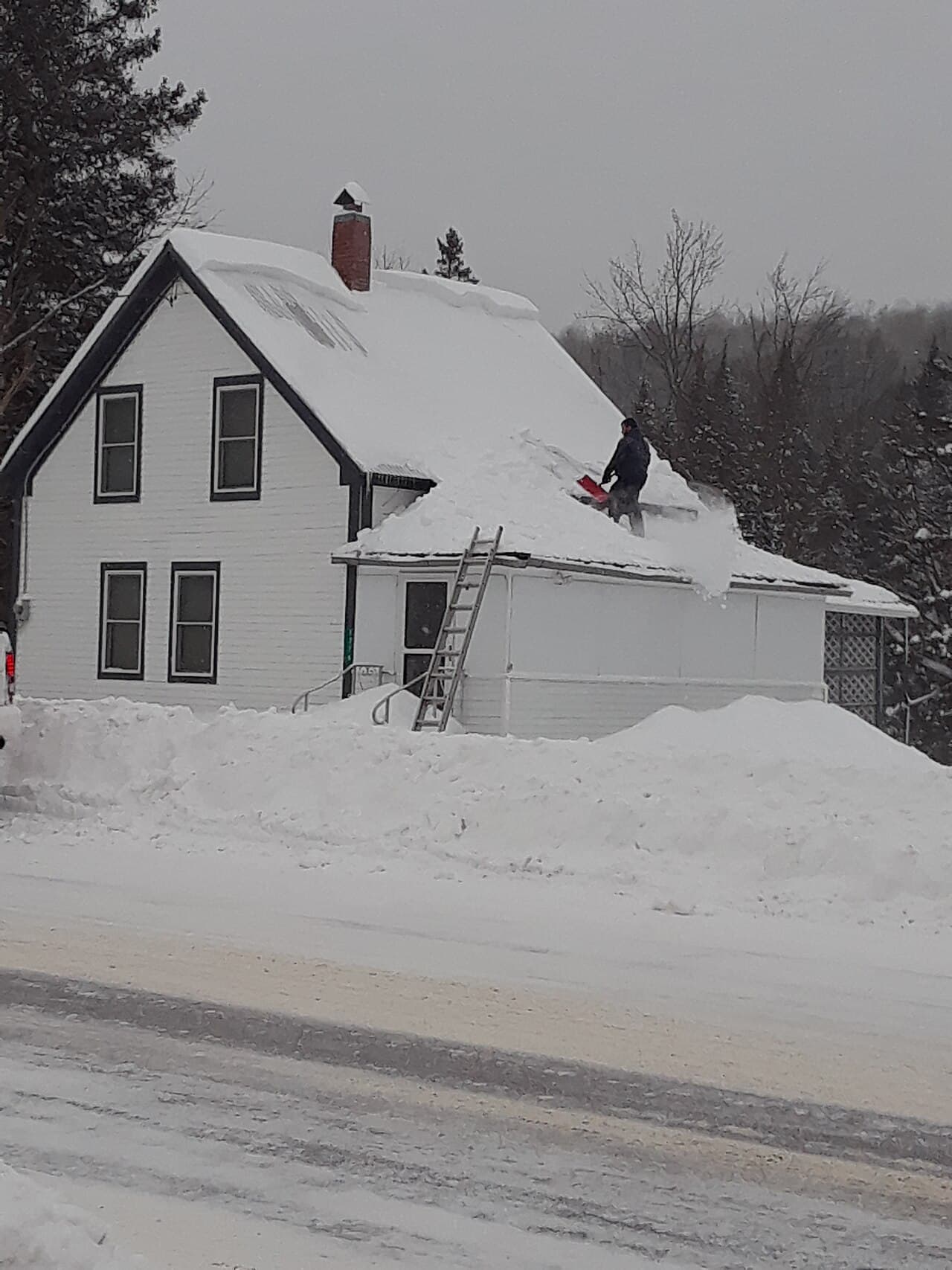
Fix the heat that melts the snow, and have a pro clear it when it gets deep. Snow plus a leaky, under-insulated attic and freezing weather makes ice dams. Air seal the ceiling, insulate the attic and ventilate the roof through a qualified contractor. Do not climb up to shovel: Alexandria calls it extremely dangerous.
Free to ask. Local shops send quotes, and you pay only when you book one.
By Kasra Taheri, Founder, LoclisPublished
Researched and drafted with AI, then checked claim by claim against the sources listed below before it was published. Prices and rules change; the dates beside each source say when it was last checked.
This is a job for a licensed pro in Virginia
This page explains what the work involves, the permits, what a licensed pro does and what drives the cost. It does not give step-by-step instructions, because this work needs a licence, a permit or both, and doing it wrong can injure someone. Before you hire, check the licence on Virginia's DPOR record.
Stop the heat that melts the snow, and have a professional clear it when it gets deep. Climbing up to shovel is the one thing not to do. Heavy snow that sits is mostly a roof that stays cold, which comes down to the attic: air leaks, insulation and ventilation. Snow removal is the short-term answer, and attic work is the lasting one.
Why snow turns into a problem
Snow on its own does not build into dangerous ice. The Building America Solution Center says ice dam formation requires three things to occur: snow on the roof; a poorly air sealed and/or poorly insulated attic; and freezing temperatures.[1] You cannot change the weather, so you work on the attic.
Heat is the cause. When heated air from the house escapes into the attic, it can warm the underside of the roof deck, melting the snow on the roof above.[1] The water then refreezes at the cold eaves, so the dam grows and traps more water behind it.
The lasting fix is in the attic
The Building America Solution Center names three jobs for builders: fully air seal the ceiling plane, thoroughly insulate the attic, and ventilate the roof.[1] Their order matters. It says the most important step is to seal all of the air leaks from the conditioned space into the attic space to keep warm air from entering the attic in the first place.[1] ENERGY STAR puts it the same way: by air sealing in your attic, you can stop many major air leaks and help to maintain the desired temperature throughout your home.[3]
Typical leak points are gaps around electrical wiring, recessed lights, plumbing stacks, attic hatches and the tops of interior walls.[1] Insulation comes next, and ventilation last. Where the attic is vented, the guidance asks for an air gap of at least 2 inches between the top of the insulation and the underside of the roof deck so air can move along the underside.[1]
This is attic work with a hatch, wiring and sometimes ducts, and it is usually best done by a qualified contractor, who can also check that bath fans and dryers vent outdoors and not into the attic.
What about clearing the snow?
Removing snow takes away one of the ingredients, and the University of Minnesota says that a roof rake and push broom can be used to remove snow, but may damage the roofing materials.[2] It also warns that these steps change the load: immediate and long-term actions will increase the snow load that your roof has to carry because the snow will no longer melt.[2] That is one more reason to have a professional judge when and how much to clear, instead of guessing.
Alexandria is direct: "Do not climb on your roof to remove snow, as this is extremely dangerous."[4] Overhead lines add a hazard that is easy to forget. Virginia law provides that, unless the danger is guarded against, no person shall perform, or require any other person to perform, any work that will cause any person or tools, machinery, ladders, antennas, equipment, covered equipment, supplies, materials, or apparatus to be placed within 10 feet (3.1 meters) of any overhead high voltage line.[5] If lines cross your roof, mention them when you book.
When to call a licensed pro
Call one for any of these:
- snow is deep, wet or drifted, or ice has formed along the eaves
- you see staining on a ceiling, or icicles with bare patches higher on the roof
- the attic needs air sealing, insulation or ventilation changes
Check that the contractor holds the right Virginia licence for the job. The Board for Contractors guide says that if the work is valued at $1,000 or more, a valid Virginia Contractor’s License is required for the license category in which the contractor is to work.[6] Get itemized written quotes that say exactly what will be sealed, insulated or vented.
See how much snow is too much for a roof, when to hire someone to remove snow from a roof, and how pros remove snow safely. More winter advice is in snow and seasonal answers, and you can browse snow and seasonal services.
To get a professional to look at your roof, describe the job once and local businesses reply.
Common questions
- Why does snow melt on part of my roof and not the rest?
- Usually heat from the house is reaching the roof deck. The Building America Solution Center says that when heated air from the house escapes into the attic, it can warm the underside of the roof deck, melting the snow on the roof above. Bare patches with icicles at the eaves point to that.
- Should I clear snow off the roof every time it snows?
- No. Removing snow only treats the symptom, and climbing up is dangerous. Alexandria's advice is not to climb on your roof to remove snow. Fixing the heat loss is what keeps snow from melting and refreezing, and a licensed professional can clear it when the load or the ice is a real concern.
- Are heat cables or de-icing products a fix?
- They do not remove the cause, which is heat reaching the roof deck. Ask a roofer and a licensed electrician whether they suit your roof, and treat them as no substitute for sealing and insulating the attic.
- Does a roof rake solve the problem?
- It can remove snow from the lowest part of a roof, but the University of Minnesota Extension notes that a roof rake and push broom may damage the roofing materials. Keep any rake clear of power lines, and ask a professional rather than climbing a ladder.
- What does fixing the cause involve?
- The Building America Solution Center's answer is to fully air seal the ceiling plane, thoroughly insulate the attic and ventilate the roof. That work happens in the attic, so a qualified insulation or building contractor normally does it.
- Could more insulation overload the roof with snow?
- The University of Minnesota notes that fixing the heat loss means snow no longer melts, so the roof carries more snow load. It says a house built to current codes should not have a structural problem, and that a professional engineer can evaluate your roof if you are unsure.
Sources
- [1] Attic Air Sealing, Insulating, and Ventilating for Ice Dam Prevention, Building America Solution Center, Pacific Northwest National Laboratory, U.S. Department of Energy. Checked October 27, 2026.
- [2] Dealing with and preventing ice dams, University of Minnesota Extension. Checked October 27, 2026.
- [3] Attic Air Sealing Project, ENERGY STAR, U.S. Environmental Protection Agency. Checked October 27, 2026.
- [4] Snow and Ice Control, City of Alexandria, Virginia. Checked October 27, 2026.
- [5] Va. Code § 59.1-408, Prohibited activities, Code of Virginia, Virginia General Assembly. Checked October 27, 2026.
- [6] What You Should Know Before You Hire a Contractor, Virginia Board for Contractors, Department of Professional and Occupational Regulation. Checked October 27, 2026.
Want a pro to handle it?
Describe the job once. Licensed local businesses send quotes, and you pay only when you book one.
Get a quote from a local pro