Why does my house get dusty so fast?
Dust is mostly particles from outdoors that get inside plus what the household makes: skin flakes, fabric fibres, pet dander, cooking and candle smoke. A house gets dusty fast when more comes in than leaves: a loose or low-grade furnace filter, leaky ductwork, dry-dusting that stirs it back up, or a vacuum without a fine filter.
Free to ask. Local shops send quotes, and you pay only when you book one.
By Kasra Taheri, Founder, LoclisUpdated
Researched and drafted with AI, then checked claim by claim against the sources listed below before it was published. Prices and rules change; the dates beside each source say when it was last checked.
Step by step
Read when to stop and call a pro, further down this page, before you start.
Step 1: Check the furnace filter
Look at the filter in your heating and cooling system and change it if it is grey and loaded, following the instructions on the package.[8]
Step 2: Check that it fits
Make sure the filter fits its slot snugly with no gaps around the edges and without bending it to fit.[3]
Step 3: Consider a better filter
Use the highest-rated filter your system fan and filter slot can take, and ask an HVAC technician if you are not sure.[3]
Step 4: Dust with a damp cloth
Wipe surfaces with a damp cloth instead of a dry duster, so the dust stays on the cloth.[7]
Step 5: Vacuum with a fine filter
Use a HEPA vacuum or the highest-efficiency bags your vacuum takes, on carpet and fabric furniture.[2]
Step 6: Wash the bedding
Wash sheets and blankets in hot water once a week and dry them completely.[7]
Step 7: Stop dust at the door
Put mats inside and outside each entry and take shoes off indoors to cut the dirt walked in.
Step 8: Check the humidity
Use an inexpensive humidity gauge and aim to keep indoor humidity between 30 and 50 percent.[8]
Step 9: Use the kitchen fan
Run an exhaust fan vented to the outside while you cook.[1]
Step 10: Look at the registers
Note whether particles blow out of particular supply vents, which EPA lists among the cases where ducts may need cleaning; dust on return grilles is normal.[2]
A house gets dusty fast when more dust comes in, or is made inside, than the house gets rid of. The usual culprits are a furnace filter that is loose, overdue or low-grade, leaky ductwork, dirt walked in from outside, and cleaning that moves dust around instead of picking it up. Most of these can be checked in an afternoon.
What household dust is
Household dust is a mix. EPA says particles found indoors include particles of outdoor origin that migrate indoors and particles from indoor sources,[1] and lists indoor sources such as cooking, burning candles, using fireplaces and some hobbies.[1] Add soil and pollen on shoes, fibres from clothes, carpets and bedding, pet hair and dander, and skin flakes. Every home has dust mites;[7] dust mites feed on human skin flakes and live in mattresses, pillows, carpets, upholstered furniture, bedcovers and stuffed toys.[7]
Indoor particle levels depend on outdoor levels, how much outdoor air leaks in, the ventilation and filtration in the house, indoor sources and what the people inside are doing.[1] So a dusty house is rarely one cause. It is usually two or three adding up.
The common causes, in the order to check them
1. The furnace filter. Central heaters and air conditioners have filters to trap dust,[8] but only if the filter is in good shape and the air goes through it. A filter that is overdue, or a cheap one, lets more through. A filter that does not fit lets air go around it: EPA's advice is to make sure the filter fits snugly so air does not leak around the filter,[3] without bending or crushing it. If you want more filtering, EPA suggests you choose a filter rated at least MERV 13, or as high as your system fan and filter slot can accommodate.[3] See which MERV filter to use before you buy.
2. Leaky ducts. In a typical house, about 20 to 30 percent of the air that moves through the duct system is lost to leaks, holes and poorly connected ducts.[4] ENERGY STAR warns that fumes from household and garden chemicals, insulation particles, and dust can enter your duct system.[5] Its signs of poorly performing ducts include high summer and winter utility bills, rooms that are difficult to heat and cool, and ducts located in an attic, crawlspace or garage.[4] If several of those fit your house, the ducts are worth having tested.
3. Dirty ducts, less often than people think. EPA says much of the dirt in air ducts adheres to duct surfaces and does not necessarily enter the living space.[2] It is normal for the return registers to get dusty as dust-laden air is pulled through the grate,[2] and that alone is not a reason for duct cleaning. EPA does not recommend that air ducts be cleaned routinely, only as needed.[2] The cases it lists include substantial visible mold growth, ducts infested with rodents or insects, and ducts clogged with excessive amounts of dust and debris or particles actually released into the home from the supply registers.[2] Be wary of a duct cleaner who promises it will end your dust problem; see warning signs of a duct cleaning scam.
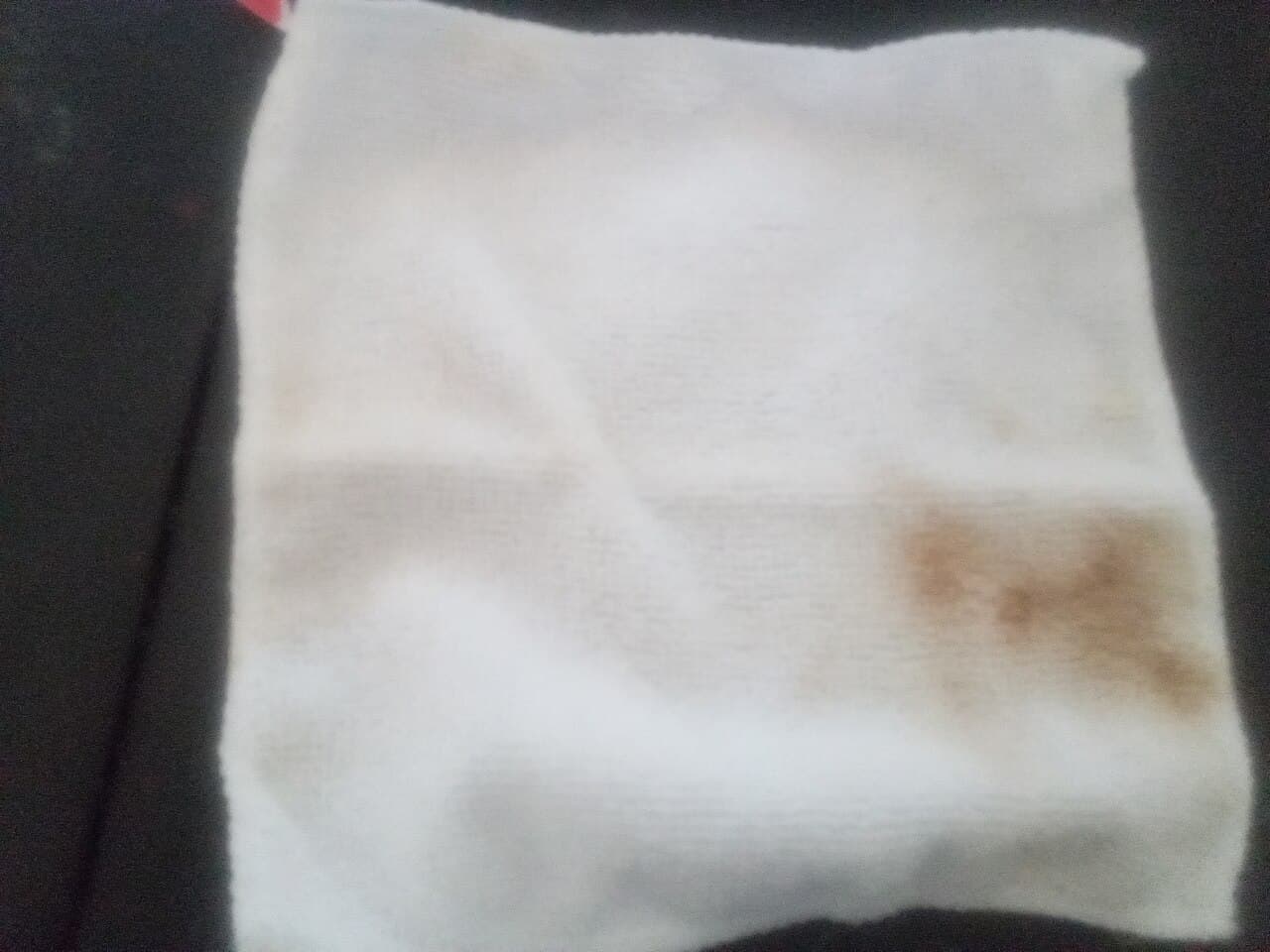
4. How you clean. A dry duster tends to push dust into the air, where it settles again later. EPA's advice for allergy-prone homes is to dust often with a damp cloth.[7] Vacuums matter too: vacuuming can increase the amount of dust in the air during and after vacuuming,[2] especially with a vacuum that has no fine filter or a full bag. A HEPA vacuum, or the best bags your vacuum takes, keeps more of it in the machine.
5. Soft furnishings and bedding. Carpets, rugs, curtains, upholstery and beds hold and shed dust. Washing bedding weekly in hot water and vacuuming carpets and fabric furniture every week, both on EPA's list for allergy-prone homes,[7] cut what builds up. EPA's steps against asthma triggers also include keeping pets out of the bedroom and off soft furniture.[8]
6. Dirt walked in. Mats inside and outside each door and a shoes-off habit cut the soil and pollen tracked in, especially in spring pollen season and in houses with gravel or unpaved drives.
7. Humidity. EPA notes that high humidity keeps the air moist and increases the likelihood of mold.[8] Its guidance is to keep indoor humidity between 30 and 50 percent,[8] checked with an inexpensive gauge.
8. Renovation. Sanding drywall or cutting materials can spread fine dust through the house, including through the heating and cooling system. In an older house, that dust can be more than a nuisance: homes built before 1978 are more likely to have lead-based paint,[6] and renovation or repair work that disturbs painted surfaces in older homes may create large amounts of lead dust.[6] Settled lead dust can re-enter the air when the home is vacuumed or swept,[6] so clean it the way EPA advises: wet mop floors and hard surfaces to reduce lead dust, and where you can see dust or debris from chipping or flaking paint, use only a HEPA vacuum and do not dry sweep.[6] Do not sand, scrape or cut painted surfaces in a pre-1978 house to find out. During dusty work, EPA advises you seal off supply and return registers and do not run the heating and cooling system until the dust is cleaned up.[2]
What an air purifier does and does not do
A portable air cleaner can help in a bedroom or living room. To filter particles, choose one with a clean air delivery rate (CADR) large enough for the size of the room.[3] Portable air cleaners often reach a high CADR by using a HEPA filter.[3] The longer the air cleaner runs, the more air it filters.[3] But filtration does not replace the need to control pollutants and ventilate.[3] Fix the filter, the leaks and the cleaning habits first. For more on the air side, see how to improve indoor air quality at home.
Stop and call a pro if
- You see dark or black deposits around vents, especially in a house with a gas furnace, water heater, dryer, stove or fireplace. Dark streaks are not always dust, and leaky ductwork can cause backdrafting, where combustion gases such as carbon monoxide from gas appliances like water heaters, clothes dryers and furnaces are drawn back into the living space.[5] Have the appliances and ducts checked. See black dust around air vents.
- Anyone at home has headaches, dizziness or nausea that ease when they leave. Carbon monoxide causes headaches, dizziness, disorientation, nausea and fatigue, and high levels can be fatal.[8] EPA advises you consider installing a carbon monoxide alarm[8] and have a fuel-burning furnace, stove or fireplace inspected and serviced before each heating season to protect against carbon monoxide poisoning.[2]
- Your house was built before 1978 and painted surfaces are peeling or chipping, or have been sanded or scraped. Under federal rules, anyone paid to do work that disturbs paint in a home built before 1978 must be certified and trained in lead-safe work practices,[6] so that is a job for a lead-safe certified firm, not a cleaner.
- You suspect duct leaks in an attic or crawlspace. Sealing them means working in tight, hot or dirty spaces, and an HVAC contractor can test and seal them.
- You smell something musty, see mold, or find water near the furnace or air handler.
- Anyone in the house has asthma or allergies that are getting worse, which is a question for a doctor as well as the house.
Getting help on Loclis
For a deep clean to reset the house, browse house cleaning businesses or look up cleaning services around Blacksburg. For duct leaks or filter problems, describe the HVAC job on Loclis and local licensed HVAC businesses quote it. More answers are under cleaning.
Common questions
- Will duct cleaning stop my house getting dusty?
- Not usually on its own. EPA says much of the dirt in ducts sticks to the duct surfaces and does not necessarily reach the living space. It does not recommend routine duct cleaning, only cleaning as needed, such as when there is substantial visible mold, the ducts are infested with rodents or insects, or they are clogged with dust and debris. Check the filter and the ducts for leaks first.
- Does an air purifier help with dust?
- It can, in the room where it runs. Pick one whose clean air delivery rate (CADR) is large enough for the room, and expect it to filter more air the longer it runs. It does not replace cleaning, a good furnace filter, or fixing where the dust comes from.
- Why is the dust worse in winter?
- It often is. The heating system runs more and windows stay shut, so a loose filter or leaky ducts get more chances to let dust through. A wood fire, candles and more indoor cooking add particles too.
- Do pets make a house dustier?
- They can. Pet hair and skin flakes add to what settles into carpets and soft furniture. EPA's steps for homes with asthma include keeping pets out of the bedroom and off soft furniture, and its list for dust triggers includes vacuuming carpets and furniture every week.
- Is black dust around my vents just dust?
- Not always. Dark streaks around vents have several possible causes, some of which need a technician. See the Loclis answer on black dust around air vents for what to check.
Sources
- [1] Indoor Particulate Matter, U.S. Environmental Protection Agency. Checked October 26, 2026.
- [2] Should You Have the Air Ducts in Your Home Cleaned?, U.S. Environmental Protection Agency. Checked October 26, 2026.
- [3] Guide to Air Cleaners in the Home, U.S. Environmental Protection Agency. Checked October 26, 2026.
- [4] Duct Sealing, ENERGY STAR, U.S. EPA and Department of Energy. Checked October 26, 2026.
- [5] Benefits of Duct Sealing, ENERGY STAR, U.S. EPA and Department of Energy. Checked October 26, 2026.
- [6] Reduce the Risk of Lead Exposure at Home, U.S. Environmental Protection Agency. Checked October 27, 2026.
- [7] Asthma Triggers: Gain Control, U.S. Environmental Protection Agency. Checked October 26, 2026.
- [8] The Inside Story: A Guide to Indoor Air Quality (Care for Your Air), U.S. Environmental Protection Agency. Checked October 26, 2026.
Want a pro to handle it?
Describe the job once. Licensed local businesses send quotes, and you pay only when you book one.
Get a quote from a local pro