How often should a sewer line be scoped?
We found no Virginia schedule. Seattle Public Utilities recommends a camera inspection of the sewer line at least every 8 to 10 years, and at least every 2 to 3 years if large trees or shrubs grow near it. Scope when you buy a house, and sooner if you get frequent clogs, a sewage smell or backups during rain.
Free to ask. Local shops send quotes, and you pay only when you book one.
By Kasra Taheri, Founder, LoclisPublished
Researched and drafted with AI, then checked claim by claim against the sources listed below before it was published. Prices and rules change; the dates beside each source say when it was last checked.
Step by step
Read when to stop and call a pro, further down this page, before you start.
Step 1: Find out when it was last scoped
Ask the seller, a previous owner or your plumber whether the line has ever been filmed, and ask for any old recording or report.
Step 2: Find your cleanout
Look for a capped pipe at ground level near the house; Spotsylvania County says a cleanout is usually 4 inches across with a tight-fitting cap.[4]
Step 3: Look at the trees
Note any large trees or shrubs near the line, since Seattle recommends scoping at least every 2 to 3 years when they are present.[1]
Step 4: Set a reminder
Put the next scope date in your calendar: at least every 8 to 10 years, or sooner with trees nearby.[1]
Step 5: Keep fats, oils, grease and wipes out of the drain
Flush only toilet paper and keep fats, oils and grease out of drains.[4]
Step 6: Keep every recording
Store each recording and report so the next inspector can compare them.
We found no Virginia rule that sets a schedule, so the answer comes from utility guidance and the state of your pipe. Seattle Public Utilities recommends inspecting your side sewer at least every 8-10 years, and at least every 2-3 years if large trees or shrubs are growing near it.[1] Treat that as a sensible starting point for an older house, then scope sooner if the line gives you warning signs.
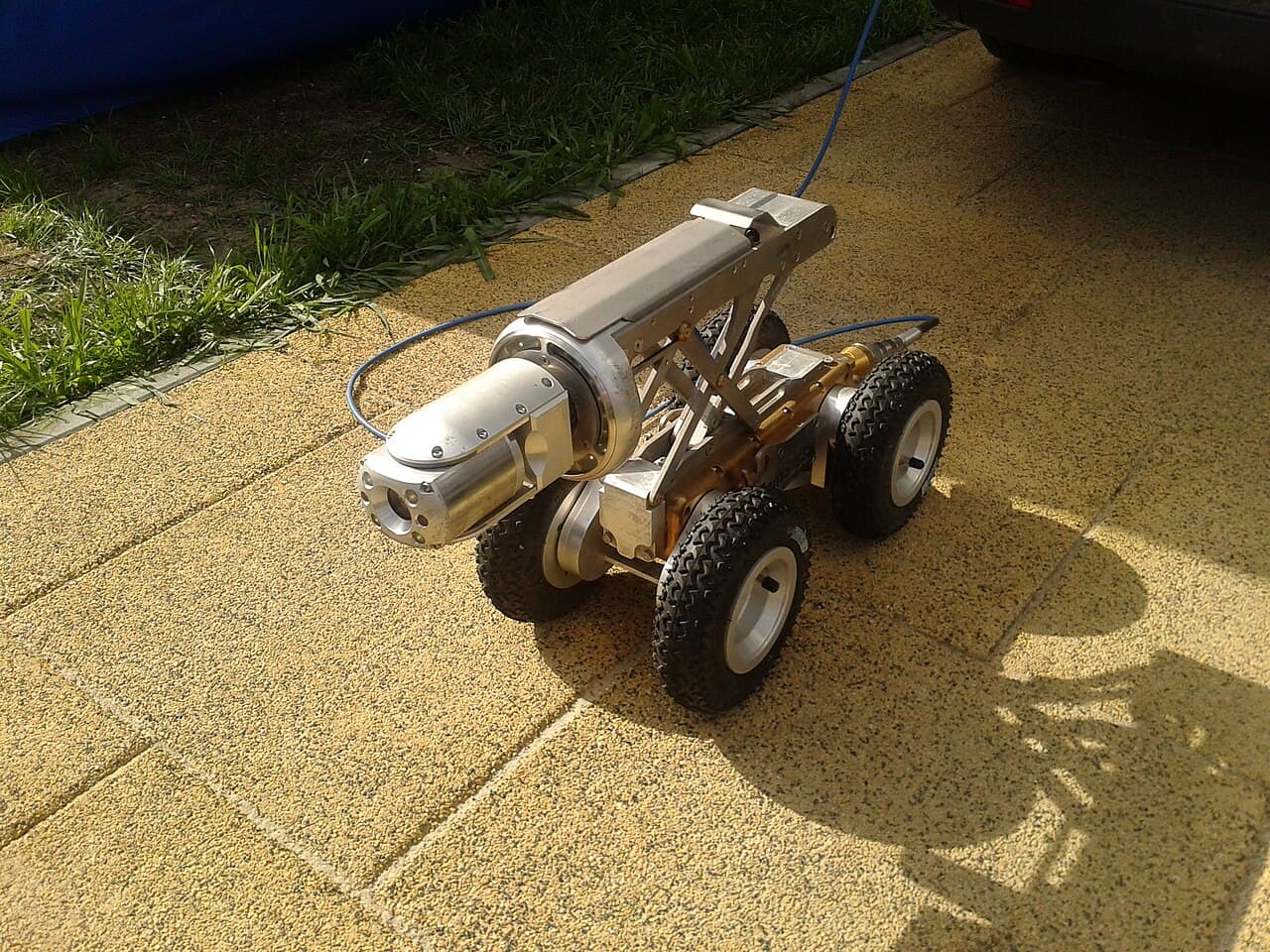
A schedule that fits most houses
Seattle is outside Virginia, and its interval is the clearest one a public utility has published. Spotsylvania County, for one, does not name an interval, though it does require a video inspection of the lateral at a new connection.[5] It says the property owner is responsible for all maintenance, operation, cleaning, repair, and reconstruction of the private sewer lateral up to the property line.[4] Fairfax County says routine maintenance is important, and that homeowners who want to check their lateral's condition can hire a licensed contractor to perform a video inspection or evaluation.[3]
Putting that together, a workable plan is:
- Before you buy. Scope once, whatever the age of the house. Seattle also advises having the side sewer inspected when considering purchasing a home.[1] See whether to get a sewer scope before buying.
- About every 8 to 10 years after that, for a house with no large trees near the line and no trouble.
- More often, about every 2 to 3 years, when large trees or shrubs grow near the line.[1]
- Right away when the symptoms below appear.
Scope sooner if you notice these
Fairfax County lists the signs that a lateral may need repair: frequently clogged drains, odor of sewage, and basement backups during rain.[2] Any of them is a reason to book a camera inspection now rather than wait for the next date on the calendar. A scope after a big root cleaning is also worthwhile, because it shows whether the roots came from a crack that will let them back in.
Why trees and age matter
Roots can easily grow into cracks or holes, especially in older pipes.[1] Spotsylvania County says broken sewer laterals can allow tree roots or debris into the pipe, which may cause blockages, building backups, or overflows in the environment.[4] The City of Salem's advice is to remove trees and woody plants from around the sewer lateral,[6] and a camera is how you find out whether the ones already there have done harm. An older line with a big tree over it is the case for the shorter interval.
Keeping the line clear between scopes
A scope shows the line on one day. What goes down the drain decides how fast it changes. Spotsylvania County's tips for owners include knowing where your cleanout is, keeping the cleanout cap on and in good shape, eliminating fats, oils and grease from your drains, and flushing only toilet paper.[4] Salem adds that even wipes labeled "flushable" build up in pipes, causing blockages.[6]
Keep each recording and report. The next inspector can compare them with a new one to see whether a crack has widened or a root mass has returned. See what problems a sewer scope can find for what to look for, and what a sewer scope costs in Virginia before you ask for quotes.
Stop and call a pro if
- sewage is coming up in a drain, a basement floor or the yard right now
- the last scope showed a crack, an offset joint or a root mass and the repair has not been done
- you are tempted to dig, pull a toilet or force the cleanout open yourself; leave that to a licensed plumber, and call 811 before any dig on the lot
Getting help in Virginia
Loclis lists DPOR-licensed businesses with their licence number and class. Browse inspection services or read more inspection answers.
When you are ready, describe the job once and licensed local pros quote it.
Common questions
- Is there a Virginia rule on how often to scope a sewer line?
- Not that we found. The Virginia county pages we read, Spotsylvania and Fairfax, do not name an interval, so the practical guidance comes from utilities such as Seattle Public Utilities.
- Do I need to scope a new house's sewer line?
- Spotsylvania County requires a video inspection of the lateral, with a passing result, before it sets the water meter at a new connection. Elsewhere, a scope soon after construction gives you a baseline recording to compare with later ones.
- Should I scope every year?
- Usually not. The published guidance is every 8 to 10 years, or every 2 to 3 years with large trees nearby. Scope sooner if you have repeated clogs, a sewage smell or backups.
- I had my line cleaned. Do I still need a scope?
- A scope after cleaning is a good idea, because it shows whether the cause was a crack or break that will let roots back in.
- Where do I find the cleanout?
- Look for a capped pipe, usually 4 inches across, at ground level near the house or the front of the lot. If you cannot find one, it may be buried or absent, and a plumber can help locate it.
Sources
- [1] Taking Care of Your Sewer Pipe, Seattle Public Utilities, City of Seattle. Checked October 28, 2026.
- [2] Sanitary Sewer House Lateral (published November 2024), Fairfax County Department of Code Compliance. Checked October 28, 2026.
- [3] Residential Wastewater Management, Fairfax County Department of Public Works and Environmental Services. Checked October 28, 2026.
- [4] Utilities: Sanitary Sewer Lateral, frequently asked questions, Spotsylvania County, Virginia. Checked October 28, 2026.
- [5] Sanitary Sewer Lateral Inspections, Spotsylvania County Utilities, Virginia. Checked October 28, 2026.
- [6] Water & Sewer: Backup vs. Overflow, frequently asked questions, City of Salem, Virginia. Checked October 28, 2026.
Want a pro to handle it?
Describe the job once. Licensed local businesses send quotes, and you pay only when you book one.
Get a quote from a local pro