Should I get a sewer scope before buying a house?
In most cases, yes, especially for an older house or one with mature trees. A general home inspection looks at what an inspector can see, and the buried line is out of sight; the line is yours to maintain once you own the house, and Virginia's seller disclosure tells buyers to do their own due diligence before settlement. A camera inspection before closing shows what you are taking on.
Free to ask. Local shops send quotes, and you pay only when you book one.
By Kasra Taheri, Founder, LoclisPublished
Researched and drafted with AI, then checked claim by claim against the sources listed below before it was published. Prices and rules change; the dates beside each source say when it was last checked.
Step by step
Read when to stop and call a pro, further down this page, before you start.
Step 1: Check the listing and the yard for a cleanout
Look for a capped pipe at ground level near the house or the front edge of the lot; Spotsylvania County says a cleanout is usually 4 inches across with a tight-fitting cap.[3]
Step 2: Ask the seller about the sewer line
Ask whether there have been backups, slow drains or repairs, and whether the line has ever been scoped or cleaned.
Step 3: Put the scope in your timeline
Ask your agent to schedule it inside your inspection period, since Virginia's disclosure statement says buyers should finish their due diligence before settlement.[1]
Step 4: Hire a company that records the scope
Book a plumber or inspection company that will film the line and give you the recording and a written report.
Step 5: Ask for repair quotes if it shows damage
Show the recording to a licensed plumber and get a written quote for any repair, noting that a repair on private property needs a plumbing permit in Fairfax County.[2]
Step 6: Decide what to do with the result
Use the report and quote to ask for a repair, a price change or a credit, or to walk away within the time your contract allows.
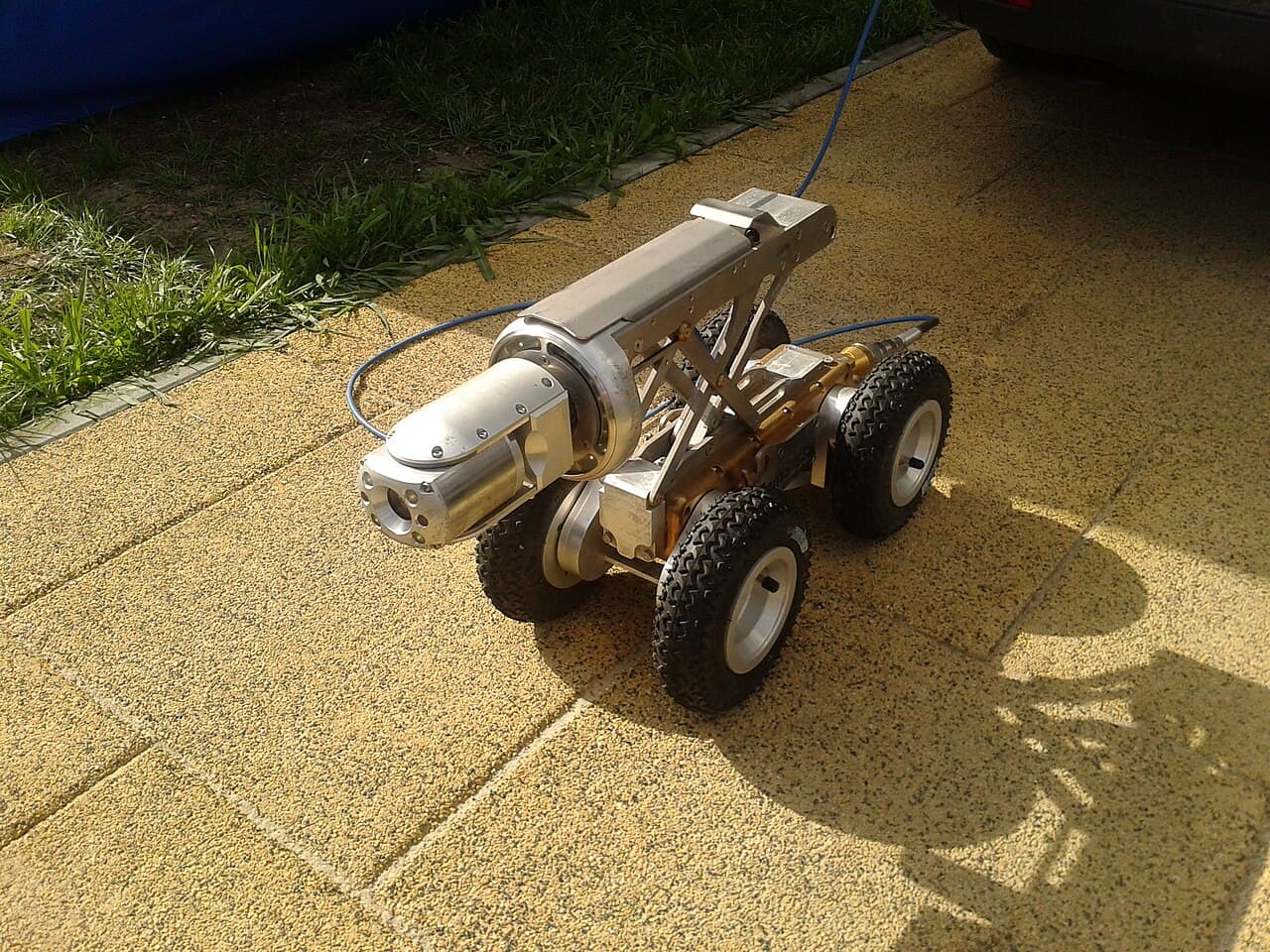
For most buyers, yes. A sewer scope is a camera inspection of the line that carries waste from the house to the public sewer main, and it shows you a part of the property that is buried and out of sight. Fairfax County says the best way to assess the condition of a lateral is by Closed Circuit Television Video (CCTV) examination.[2] The scope is most worth it for an older house, a house with large trees near the line, or any house where the seller cannot say much about the pipe.
Why buyers get it
The line becomes your responsibility. Spotsylvania County says "the property owner is responsible for all maintenance, operation, cleaning, repair, and reconstruction" of the private sewer lateral up to the property line.[3] Fairfax County says the building lateral is considered part of the home, and that maintenance, repair and replacement of it is the owner's responsibility.[2] When the closing happens, a cracked or root-filled pipe is yours.
You cannot see it, and nobody marks it. The line is buried. Virginia 811 says the sewer line that connects a house to the sewer main at the cleanout is private and will not be marked when you contact it,[4] so there is no free way to find out where it runs or what shape it is in.
The seller's paperwork will not tell you. In Virginia the owner gives the buyer a residential property disclosure statement, and the statement tells buyers that the owner makes no representations or warranties as to the condition of the real property or any improvements on it.[1] Under the same statute, buyers are advised to do whatever due diligence they deem necessary, including obtaining a home inspection, in accordance with the contract terms but in any event before settlement.[1] A sewer scope is part of that due diligence. It has to fit inside the time your contract allows, so raise it with your agent early.
Roots and old pipe cause real damage. Spotsylvania County says broken sewer laterals can allow tree roots or debris into the pipe, which may cause blockages, building backups, or overflows in the environment.[3] The City of Salem's advice is to remove trees and woody plants from around the sewer lateral,[5] which tells you what is at risk when a large tree stands near the line. Alexandria adds a point about older homes: it says that if a home was constructed before 1970 and a downspout or outdoor basement stairwell drain goes into the ground, it may be connected to the sanitary sewer,[6] which adds rainwater to the system and can add to backups.
What a repair and a backup can mean for you
A repair means paperwork and a licensed plumber. Fairfax County says a repair or replacement on private property requires a plumbing permit from the county.[2] Your own city or county sets its own rules, so ask the building department.
A backup is also an insurance question. The City of Salem says most homeowners' insurance will not pay for damage unless specific sewer backup coverage has been added to the policy.[5] Ask an insurance agent about that coverage before you close, not after the first backup.
What to do with the result
A clean scope means you buy with one fewer unknown. A scope that shows damage gives you options. You can ask the seller to repair the line, ask for a price reduction or credit, or, if your contract allows it, walk away. Show the recording to a licensed plumber and ask for a written quote before you negotiate, so the number you ask for is real.
Not every flaw is a deal-breaker. A pipe with some surface roughness is different from one that has collapsed or is offset so that waste cannot pass. A plumber looking at the recording can tell you which you have.
Doing the groundwork
The steps above are what a buyer can do alone. Finding the cleanout helps a lot: Spotsylvania County says a cleanout is usually 4 inches across with a tight-fitting cap.[3] If the house has none, tell the scope company so they can plan the access, and see how much a sewer scope costs in Virginia for what to ask in a quote.
Stop and call a pro if
- the seller or neighbors report sewage backups, or you see damp, soggy ground or smell sewage near the house
- the scope company reports a blockage, a collapsed section or a section that cannot be filmed
- you are tempted to dig, pull a toilet or open the cleanout yourself; leave that to a licensed plumber, and call 811 before any dig on the lot
Getting help in Virginia
For the rest of your buyer checks, read the most common problems found in home inspections and what to fix first after a home inspection. Loclis lists DPOR-licensed businesses with their licence number and class: browse inspection services or see more inspection answers.
When you are ready, describe the job once and licensed local pros quote it.
Common questions
- Does a regular home inspection include the sewer line?
- Do not assume it does. A general inspection looks at what the inspector can see, and the buried line between the house and the sewer main is out of sight. Ask your inspector in advance whether the inspection covers the sewer line, and arrange a camera inspection separately if it does not.
- Who pays for a sewer line problem after I buy?
- You do. Fairfax County says the building lateral is considered part of the home, and that maintenance, repair and replacement of it is the owner's responsibility. Spotsylvania County puts the private line up to the property line on the owner as well.
- Does the seller have to tell me about the sewer line?
- Virginia's disclosure statement tells buyers that the owner makes no representations or warranties as to the condition of the property or its improvements, and that buyers should do their own due diligence. Ask the seller directly and put your questions in writing.
- Will my homeowner's insurance cover a sewer backup?
- Often not. The City of Salem says most homeowners' insurance will not pay for damage unless specific sewer backup coverage has been added to the policy. Ask your agent before closing.
- Is a scope still worth it for a newer house?
- It can be, because installation mistakes, settling and trees can affect a young line too. The risk is lower than for an older house, so it is more a judgment call. If the house is on a lot with large trees, the scope is easier to justify.
Sources
- [1] Va. Code § 55.1-703, Required disclosures for buyer to beware; buyer to exercise necessary due diligence, Code of Virginia, Virginia General Assembly. Checked October 27, 2026.
- [2] Sanitary Sewer House Lateral (published November 2024), Fairfax County Department of Code Compliance. Checked October 27, 2026.
- [3] Utilities: Sanitary Sewer Lateral, frequently asked questions, Spotsylvania County, Virginia. Checked October 27, 2026.
- [4] Private Utilities Explained, Virginia 811. Checked October 27, 2026.
- [5] Water & Sewer: Backup vs. Overflow, frequently asked questions, City of Salem, Virginia. Checked October 27, 2026.
- [6] Sewers, City of Alexandria, Virginia. Checked October 27, 2026.
Want a pro to handle it?
Describe the job once. Licensed local businesses send quotes, and you pay only when you book one.
Get a quote from a local pro