How do I keep a shower valve working smoothly?
Deal with small signs early: fix drips, and service a handle as soon as it turns stiff. Where the maker says a cartridge can be serviced, use the grease it names; Moen warns against petroleum-based lubricants. Flush the valve body whenever the cartridge is replaced, keep the shutoffs reachable, and recheck the hot limit with a thermometer as the seasons change. Test hard water before buying a softener.
Free to ask. Local shops send quotes, and you pay only when you book one.
By Kasra Taheri, Founder, LoclisPublished
Researched and drafted with AI, then checked claim by claim against the sources listed below before it was published. Prices and rules change; the dates beside each source say when it was last checked.
Step by step
Read when to stop and call a pro, further down this page, before you start.
Step 1: Know your shutoffs
Find the shower's shutoffs under the sink, in a closet access behind the shower or in an access panel around the tub, and keep the panel clear.[3]
Step 2: Watch for a stiff handle
Treat a handle that turns harder than it used to as a sign of sediment, mineral buildup or a damaged seal in the cartridge, and service it early.[1]
Step 3: Use the right grease
If the maker says your cartridge can be serviced, as Moen does for its 1225, use a silicone-based grease and never a petroleum-based lubricant or silicone spray.[1]
Step 4: Flush when you replace
Each time a new cartridge goes in, scrub and flush the valve body first to clear mineral build-up and loose debris.[2]
Step 5: Fix drips promptly
When the shower drips with the handle off, the cartridge needs replacing; have it done promptly by a plumber, or replace it yourself if you are comfortable with the job.[4]
Step 6: Seal the showerhead threads
If the showerhead leaks where it meets the pipe, wrap the pipe threads with pipe tape and check its washer or o-ring.[7]
Step 7: Clean the trim and head
Wipe mineral deposits off the handle, trim and showerhead with a cleaner the maker approves for that finish.
Step 8: Recheck the hot limit
After any cartridge service, or whenever the water seems too hot, run the shower at full hot and check it with a thermometer, keeping the maximum at 120°F or less.[6]
Step 9: Test for hardness
If scale keeps building up, have your water tested for hardness at a certified laboratory before buying any treatment.[8]
A shower valve stays smooth when its small problems are handled early. Mineral buildup and damaged seals inside the cartridge are among the usual causes of a stiff handle.[1] You cannot stop that wear completely, but you can catch it before a stiff handle turns into a seized cartridge.
Treat a stiff handle as a warning
A handle that turns harder than it used to is often an early sign of cartridge wear. Moen traces stiffness to sediment or debris in the cartridge, mineral buildup or a damaged seal within the cartridge.[1] Some cartridges can be serviced. For a 1225 cartridge, Moen's fix is to remove the cartridge and lubricate it both inside and out with a silicone-based grease, while for its Posi-Temp showers, the 1222 cartridge would need to be replaced.[1]
The grease matters. For the 1225, Moen adds: "Do not use plumber's grade faucet grease, silicon sprays or any lubricant that may contain petroleum. Petroleum-based lubricants may react with the rubber seals and could cause the handle to become even more difficult to operate."[1] If your cartridge's instructions name a lubricant, use that one.
A shower that is rarely used, such as one in a guest bath, can set stiff. Running it through its full range every few weeks lets you notice a change while the fix is still small.
Fix drips before they grow
A drip is a worn cartridge or seal announcing itself. Moen's troubleshooting says that when the shower continues running or dripping with the handle in the off position, or water leaks from the handle, the cartridge needs replacing.[4] The water adds up: "A showerhead leaking at 10 drips per minute wastes more than 500 gallons per year."[7] A valve drip is not a showerhead fix. The EPA's WaterSense program advises: "For more complicated valve leaks in showers that drip when not in use, contact an experienced handyperson or licensed plumber."[7] If you are comfortable doing it yourself, replacing a shower valve cartridge walks through the job.
Not every drip is the valve. If water seeps where the showerhead meets the pipe, the EPA's WaterSense program says some leaks can be fixed by making sure there is a tight connection between the showerhead and the pipe stem and by using pipe tape to secure it,[7] and suggests you check and, if needed, replace the washer or o-ring inside the showerhead[7] while you are there.
Keep the valve body clean when you replace
When a cartridge does need replacing, clean the valve body before the new one goes in. "This eliminates any mineral build-up and loose debris that may have accumulated inside the valve body. This debris could damage the new cartridge or obstruct the flow of water."[2] Our guide to replacing a shower valve cartridge includes the cleaning and flushing.
Slow the scale
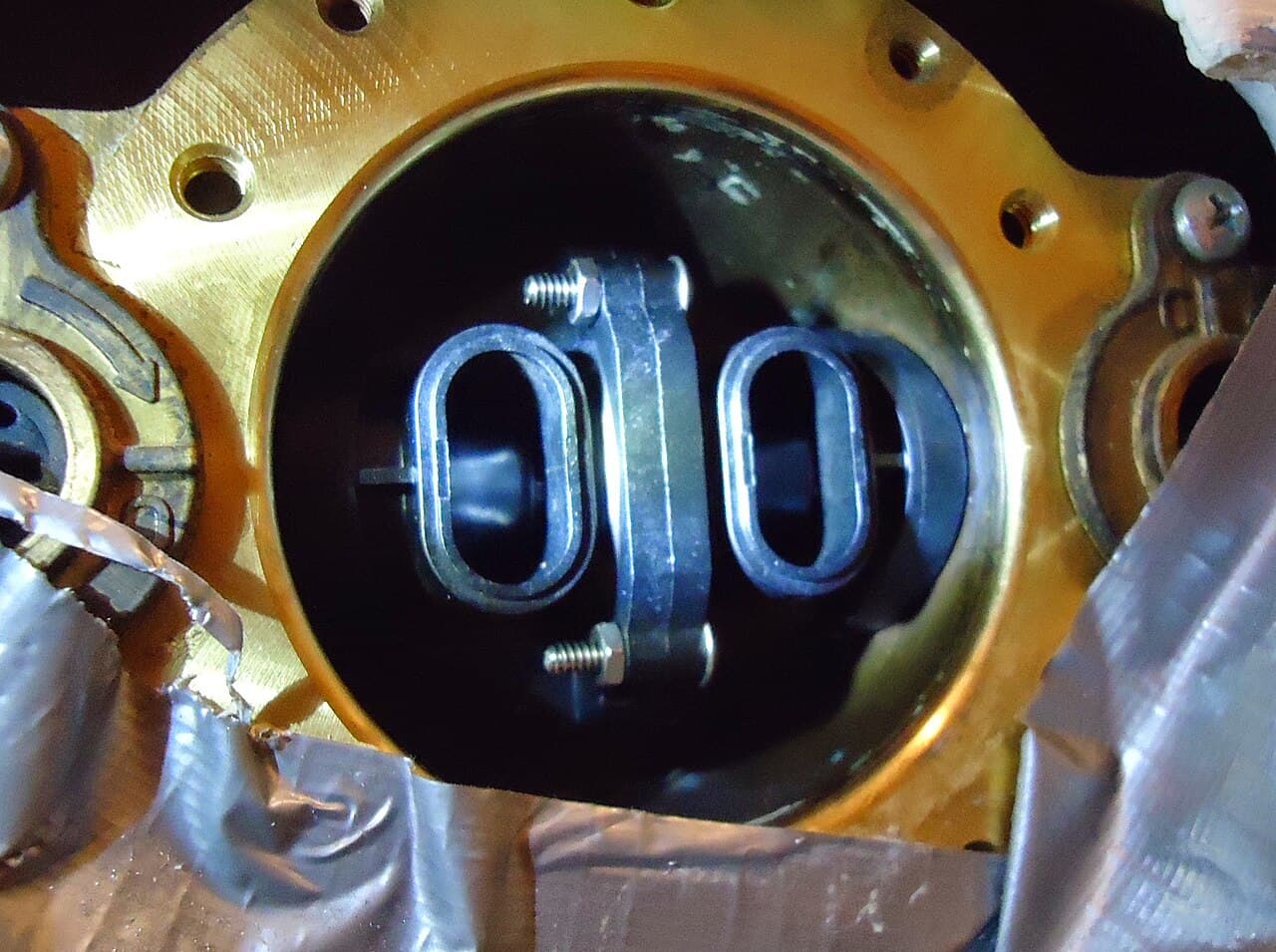
Hard water contains high levels of calcium and magnesium ions.[8] Virginia Cooperative Extension notes that hard water can leave mineral deposits (scale) on dishes, utensils, and plumbing fixtures,[8] and that "In pipes, excessive mineral scaling can reduce water flow and pressure."[8] Wiping deposits off the trim and showerhead regularly, with a cleaner the maker approves for the finish, keeps them from building up on the outside.
To know whether treatment is worth it, test first. The Virginia Household Water Quality Program maintains a list of certified laboratories[8] that can measure hardness. Virginia Cooperative Extension advises that, generally, water hardness levels less than 7.0 gpg or 120 mg/L do not require treatment, and treatment is only necessary when the hardness level is causing a problem for the homeowner.[8] If it is, "The most common way to treat hard water is through ion exchange water softening."[8] An ion exchange water softener replaces calcium and magnesium ions with sodium or, less commonly, potassium ions.[8] Be wary of devices that claim to manage hard water scale using primarily magnetic or electrical technology: the hardness of the water before and after treatment is not changed, and questions remain as to their effectiveness.[8]
Recheck the hot limit with the seasons
A valve that worked well in summer can feel cool in winter, because depending on your climate, the incoming ground water temperature may fluctuate during the year, and "This can cause the overall hot temperature to decrease (or increase) throughout the year."[5] Check the shower at full hot with a thermometer when the seasons change, and again after any cartridge service. Moen recommends limiting the maximum temperature flowing from the shower to 120°F/49°C or less to prevent scalding,[6] and the Consumer Product Safety Commission urges all users to lower their water heaters to 120 degrees Fahrenheit.[9] Its advice for households with small children is worth keeping: "Never take hot water temperature for granted. Always hand-test before using, especially when bathing infants and young children."[9]
If the temperature swings rather than simply running cool, see why a shower goes from hot to cold.
Know where the water shuts off
Every one of these repairs starts with the water off, and the time to find the shutoffs is before something drips. Shower shutoffs are not always easy to spot. "Generally, they are located under the sink, in a closet access behind a shower or in an access panel around the tub."[3] Some showers have none, and then the house's main valve is the only way to stop the water. Keep any access panel clear and make sure the valves turn.
Stop and call a pro if
- A shutoff or the main valve will not turn, or will not stop the water when closed.
- The cartridge is seized, or the handle stays stiff after the cartridge has been serviced or replaced.
- Water shows inside the wall, under the tub or on a ceiling below.
- The shower scalds, or the temperature swings sharply when water runs elsewhere.
- The valve body is cracked or corroded and the valve itself needs replacing.
For prices, see what shower valve repair costs in Virginia, and for when to hand it over, should you hire a plumber for a shower valve. Drains get the same treatment in how to keep drains from clogging. You can also find plumbers in Blacksburg, browse shower and tub repair or see all plumbing repair answers.
When the valve needs more than upkeep, describe the shower repair once and licensed local plumbers quote it.
Common questions
- Can I spray a lubricant or use plumber's grease on a stiff shower handle?
- Not if the maker warns against it, as Moen does for its 1225 cartridge: it rules out plumber's grade faucet grease, silicone sprays and any lubricant that may contain petroleum, because petroleum-based lubricants can react with the rubber seals and make the handle even harder to turn. Use the grease the cartridge's maker names, such as the silicone-based grease Moen specifies for the 1225, and only where the maker says the cartridge can be serviced rather than replaced.
- How often should a shower cartridge be replaced?
- There is no set schedule. Replace it when it shows wear: dripping with the handle off, leaking at the handle, a handle that stays stiff, or temperature that will not hold. Mineral buildup is one of the causes Moen lists for a stiff cartridge, so hard water may bring that day sooner.
- Does a water softener protect shower valves?
- It can help. An ion exchange softener replaces the calcium and magnesium ions that make water hard, and mineral buildup is one of the causes Moen lists for a stiff cartridge. Virginia Cooperative Extension calls ion exchange softening the most common treatment, and advises that hardness below 7.0 grains per gallon generally does not need treating unless it causes a problem. Test first.
- Why does my shower seem cooler in winter?
- The water coming into the house is colder. Moen notes that groundwater temperature can change through the year, which can lower the hottest temperature a valve delivers in winter and raise it again in warmer months. Recheck the shower at full hot with a thermometer when the season turns and after any change to the limit stop, and keep the maximum at 120°F or less.
- Should I turn the shower valve regularly if I rarely use that bathroom?
- It can help. Running a little-used shower through its full range every few weeks lets you notice a stiff handle or a drip before it gets worse.
Sources
- [1] Handle is difficult to operate, Moen. Checked October 26, 2026.
- [2] Valve Body Cleaning and Flushing, Moen. Checked October 26, 2026.
- [3] How to Turn Off the Water Supply to the Faucet, Moen. Checked October 26, 2026.
- [4] Shower Faucet: Leaking- Moentrol Valves, Moen. Checked October 26, 2026.
- [5] Water temperature is not HOT enough on tub shower units, Moen. Checked October 26, 2026.
- [6] How to Adjust the PosiTemp Temperature Limit Stop, Moen. Checked October 26, 2026.
- [7] Fix a Leak Week, U.S. Environmental Protection Agency, WaterSense. Checked October 26, 2026.
- [8] Virginia Household Water Quality Program: Hardness in Household Water, Virginia Cooperative Extension. Checked October 26, 2026.
- [9] Avoiding Tap Water Scalds (Publication 5098), U.S. Consumer Product Safety Commission. Checked October 26, 2026.
Want a pro to handle it?
Describe the job once. Licensed local businesses send quotes, and you pay only when you book one.
Get a quote for Plumbing Repair