How do I keep tree roots out of my sewer line?
Roots get into a sewer line through cracks and loose joints, so the lasting fix is a sound pipe: have a licensed plumber clear the roots, inspect the line with a camera, and repair or line the joints where roots enter. Between visits, keep trees and woody shrubs away from the line's path, keep the cleanout capped, and schedule cleaning before backups start.
Free to ask. Local shops send quotes, and you pay only when you book one.
By Kasra Taheri, Founder, LoclisPublished
Researched and drafted with AI, then checked claim by claim against the sources listed below before it was published. Prices and rules change; the dates beside each source say when it was last checked.
This is a job for a licensed pro in Virginia
This page explains what the work involves, the permits, what a licensed pro does and what drives the cost. It does not give step-by-step instructions, because this work needs a licence, a permit or both, and doing it wrong can injure someone. Before you hire, check the licence on Virginia's DPOR record.
The short answer
Roots do not usually break into a healthy pipe. They find their way into the cracks, loose joints and broken sections that older sewer lines develop, then grow into a mass that catches paper and grease. So the lasting fix is a pipe roots cannot get into: have the roots cleared, have the line inspected with a camera, and have the points where roots enter repaired, lined or replaced. Planting and landscaping choices keep the problem from coming back.
How roots get in
Spotsylvania County notes: "Broken sewer laterals can allow tree roots or debris into the pipe, which may cause blockages, building backups, or overflows in the environment."[1] Fairfax County lists root intrusion into the lateral, along with cracked or broken laterals, among the ways rain water gets into the sanitary sewer,[3] which is why root problems and rainy-day basement backups often turn up together.
Older clay and cast iron lines, with many joints, tend to have the most trouble. Roots that get in can thicken into a mat that fills the pipe. If your drains slow down, gurgle or back up, check the signs of a broken sewer line.
Have the roots cleared, then look
Who has to keep the lateral clear depends on your locality; see who is responsible for the sewer line. Spotsylvania County's advice to owners: "Clear roots, grease, debris, or other blockages in the lateral all the way to the connection with the sewer main."[1] A plumber usually does that with a cable machine fitted with a root-cutting head or with a high-pressure water jetter, working from a cleanout.
Clearing alone buys time; the roots grow back through the same openings. That is why the camera matters. Fairfax County says: "The best way to assess the condition of a lateral is by Closed Circuit Television Video (CCTV) examination."[3] Ask for the camera run right after the cleaning, when the pipe walls are visible, and ask for a copy of the video. It shows how many places roots are getting in, how far from the house they are, and whether the pipe is cracked, offset or sagging. You can also book a sewer scope inspection on its own.
Fix the way in
What the camera shows decides the long-term fix:
- One or two entry points. A spot repair at the bad joint or section, dug up or lined in place.
- Roots at many joints along the line. A liner cured inside the old pipe seals the joints from the inside without a trench, if the pipe is round enough to take one.
- A broken, crushed or badly sagging pipe. Replacement, by open trench or by pulling new pipe through the old.
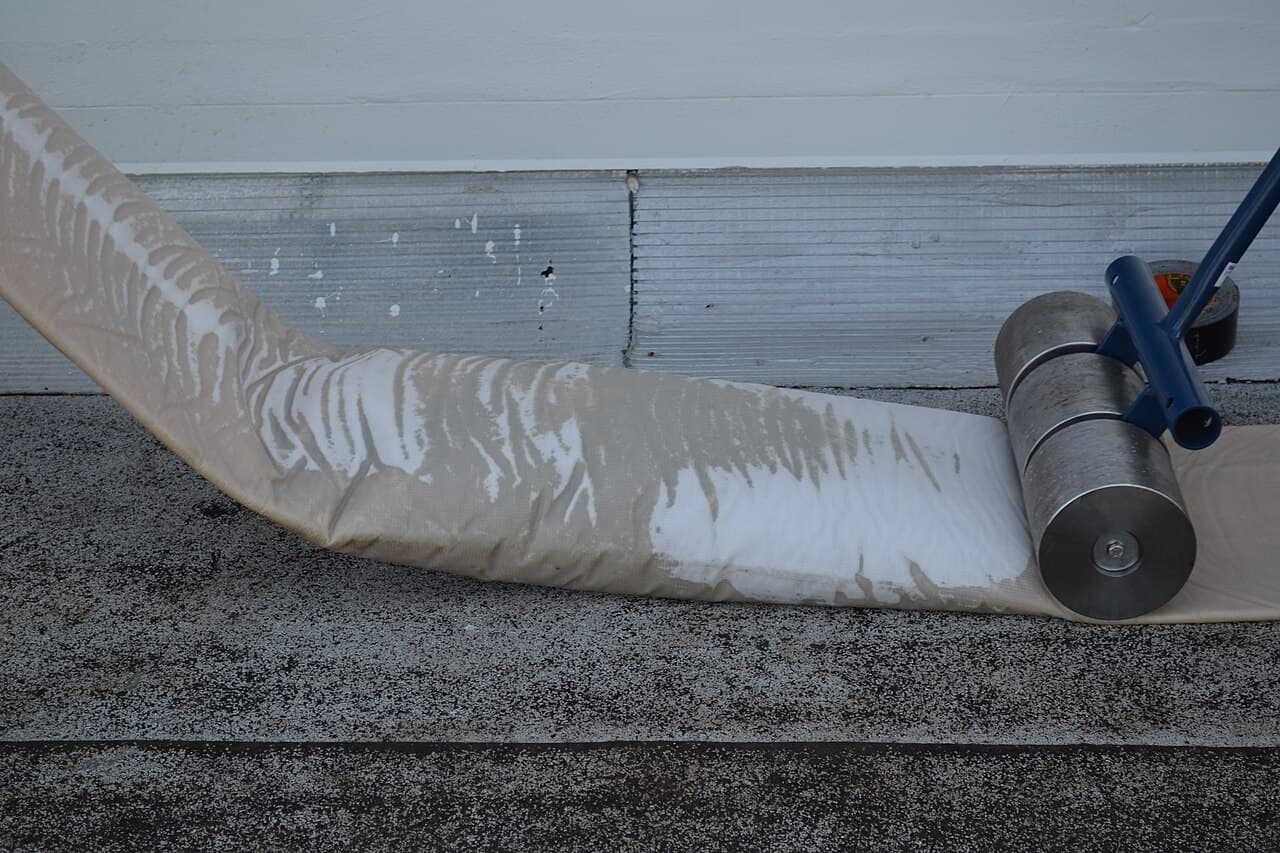
Our pages on what replacing a sewer line involves and what it costs explain each option. Some plumbers also offer chemical root treatment after cleaning; it does not close the crack the roots came through, so ask what product they would use and whether your sewer utility allows it.
Plant with the line in mind
The City of Salem advises owners: "Remove trees and woody plants from around the sewer lateral."[2] You do not have to clear-cut the yard, but you do need to know where the line runs before you plant. It will not be on the utility marks: the sewer line that connects your house to the main at the cleanout will not be marked when you contact Virginia 811.[4] A plumber with a camera and locator can trace and mark it for you.
Then plant accordingly. Keep new trees and large shrubs well away from the line's path, favour lawn, groundcover and perennials over the lateral, and think about how wide the tree's roots will spread when it is mature, not how big it is in the pot. If a large tree already sits on top of the line, a sound or lined pipe is usually a better answer than losing the tree; if it does have to come down, hire a tree service rather than felling it yourself.
Planting is digging, and Virginia's damage prevention law covers it. Virginia law defines excavation as any operation in which earth, rock or other material in the ground is moved, removed or otherwise displaced by means of any tools, equipment or explosives, and that includes digging and augering.[6] And: "No person shall make or begin any excavation or demolition without first submitting a locate request to the notification center."[5] Contact Virginia 811 before you plant a tree.
Habits that help
- Know your cleanout. "Know where your cleanout is for quick access to clear blockages or stop backups."[1] If you cannot find it, Fairfax County notes: "If you are not successful in locating one, you either do not have one or it may be buried under dirt. A plumber can assist you in locating it."[3]
- Keep it capped. "Keep your cleanout cap on and in good shape."[1]
- Keep grease out. Grease can cling to roots and turn a partial blockage into a full one. "Eliminate F.O.G. (Fats, Oils and Grease) in your drains."[1] Our page on keeping drains from clogging covers the rest.
- Clean on a schedule. If your line has had roots before, ask the plumber to set a cleaning interval from what the camera showed, and book it before the drains slow down.
When to call a licensed pro
Call a licensed plumber for root clearing, camera work and any repair to the line. The work means opening the sewer, handling sewage, and often digging, and Virginia's plumbing contractor classification (PLB) covers the installation, maintenance, extension or alteration of sewerage systems.[7] Call promptly when drains slow, gurgle or back up, when the same clog returns soon after clearing, or when sewage reaches the basement. Check the licence first: the Board for Contractors warns that a license number in an advertisement or on a business card does not necessarily mean the contractor's license is valid.[8] Our guide to checking a contractor's licence shows how.
Find a licensed sewer pro
Loclis lists licensed businesses from Virginia's DPOR register with their licence number and class. Browse sewer line services, look up plumbers in Blacksburg, or read more plumbing answers. When you are ready, describe the job once and licensed local businesses quote it.
Common questions
- Can tree roots break a sewer pipe?
- Roots mostly exploit damage that is already there. Spotsylvania County notes that broken sewer laterals can let tree roots or debris into the pipe, which may cause blockages and backups. Once inside, roots can grow into a mass that catches paper and grease. Over time a root mass can widen a crack or push a joint further apart.
- How often should roots be cleared from a sewer line?
- There is no single schedule. It depends on the trees, the pipe and how fast the roots return. Have the line cleared and filmed, then ask the plumber to set a cleaning interval based on what the camera shows, and shorten it if drains start slowing before the next visit.
- Do chemical root killers work?
- Some plumbers offer chemical root treatments as a follow-up to mechanical cleaning. They do not repair the crack or joint the roots came through, so the roots can return. Ask the plumber what product they would use and why, and ask your sewer utility whether it allows it.
- Should I cut down the tree over my sewer line?
- Not as a first step, and not yourself. The City of Salem advises keeping trees and woody plants away from the lateral, but a sound or lined pipe stops roots without losing the tree. If a large tree has to come down, hire a tree service; tree felling is dangerous work.
- Will a new sewer pipe keep roots out?
- A pipe without cracks or open joints gives roots far fewer ways in. Lining seals the inside of the old pipe and replacement removes the old joints, which is why a camera inspection that shows where roots enter is the first step.
Sources
- [1] FAQs: Utilities, Sanitary Sewer Lateral, Spotsylvania County, Virginia. Checked October 26, 2026.
- [2] FAQs: Water & Sewer, Backup vs. Overflow, City of Salem, Virginia. Checked October 26, 2026.
- [3] Sanitary Sewer House Lateral: Key things to know about your home's sewer system, Fairfax County Department of Code Compliance. Checked October 26, 2026.
- [4] Private Utilities Explained, Virginia 811. Checked October 26, 2026.
- [5] Code of Virginia § 56-265.17, Notification required prior to excavation or demolition, Code of Virginia, Legislative Information System. Checked October 26, 2026.
- [6] Code of Virginia § 56-265.15, Definitions (Underground Utility Damage Prevention Act), Code of Virginia, Legislative Information System. Checked October 26, 2026.
- [7] 18VAC50-22-20, Board for Contractors Regulations: Definitions of license classifications, Virginia Administrative Code, Legislative Information System. Checked October 26, 2026.
- [8] What You Should Know Before You Hire a Contractor, Virginia Board for Contractors, DPOR. Checked October 26, 2026.
Want a pro to handle it?
Describe the job once. Licensed local businesses send quotes, and you pay only when you book one.
Get a quote for Plumbing Repair