How do I protect wood furniture from water rings and sun?
Keep moisture, heat and light off the finish. Use coasters and trivets, wipe spills at once, and keep a stable clear finish waxed with paste wax. Filter sunlight with curtains, blinds or window film, and move the piece away from radiators. Water, alcohol and heat mark shellac finishes in particular, so check what finish you have.
Free to ask. Local shops send quotes, and you pay only when you book one.
By Kasra Taheri, Founder, LoclisPublished
Researched and drafted with AI, then checked claim by claim against the sources listed below before it was published. Prices and rules change; the dates beside each source say when it was last checked.
Step by step
Read when to stop and call a pro, further down this page, before you start.
Step 1: Find out what finish you have
Sponge a spot on the underside with denatured alcohol: if the finish softens and comes off, it is shellac, which water, alcohol and heat damage.[2]
Step 2: Clean the surface
Dust, then clean off old wax and grime, because waxing over dirty surfaces produces a grimy buildup.[1]
Step 3: Apply paste wax sparingly
On a stable, clear finish, rub on a thin coat of paste wax with a clean cotton cloth, wait an hour or two, then buff with another clean cloth.[1]
Step 4: Add a second thin coat
Two thin coats are better than one thick coat.[1]
Step 5: Put a barrier under everything
Use coasters under glasses, trivets or pads under hot dishes, and felt or cork under lamps and planters.
Step 6: Wipe spills at once
Blot a spill with a soft cloth right away instead of letting it sit, then dry the spot.
Step 7: Cut the sunlight
Close curtains, blinds or shutters when the sun is on the piece, or add UV filters to the window.[1]
Step 8: Move it away from heat
Keep the piece away from radiators and heating vents, which dry one surface faster than the other.[1]
Step 9: Rotate what sits on top
Shift lamps, bowls and frames now and then so one patch does not fade or darken differently from the rest.
Step 10: Rewax when needed
Rewax only when the old layer will no longer buff to a sheen.[1]
Treat the finish as the part that takes the damage. Keep a barrier between the wood and wet or hot things, wipe spills at once, keep a clear finish waxed with paste wax, and filter the sun that reaches the piece. A little routine care costs far less than refinishing.
Know what you are protecting
Oregon State's extension circular says white rings or spots may be caused by moisture, heat, or alcohol.[2] How easily that happens depends on the finish. Water, alcohol, and heat damage shellac finishes,[2] which is common on older pieces. To find out if you have shellac, sponge a spot on underside of piece of furniture with denatured alcohol solvent: if the finish softens and comes off, it is shellac.[2] Test where nobody will see it, with a window open and away from flames or sparks, because denatured alcohol is flammable.
Modern varnish and lacquer resist better but not completely. If you already have a white ring, our guide to fixing a scratch in wood furniture covers touching up the finish, and what wood furniture repair costs in Virginia helps with the decision to call someone.
Stop water rings before they start
The best protection is a barrier. Put coasters under glasses, trivets or pads under hot dishes and cups, and felt or cork under lamps, planters and vases. A potted plant on bare wood is a classic ring maker, because the saucer sweats.
Wipe spills at once. Blot with a soft cloth rather than rubbing, then dry the spot. The longer moisture sits, the more it has a chance to get through the finish.
A wax layer helps too. The National Park Service says wax slows the penetration of water and water vapor, which will cause the wood to swell,[1] and that waxing makes dusting easier.[1] It is a second line of defense, not a replacement for coasters.
Wax a clear finish properly
Apply wax only to stable, clear finishes, such as shellac, varnish, and modern lacquer.[1] Don't apply paste waxes to unfinished objects because it will penetrate into the pores.[1] Use paste wax rather than spray polish. Don't use liquid polishes,[1] because most contain silicones.[1] Silicone migrates into the finish and complicates any future conservation treatment.[1]
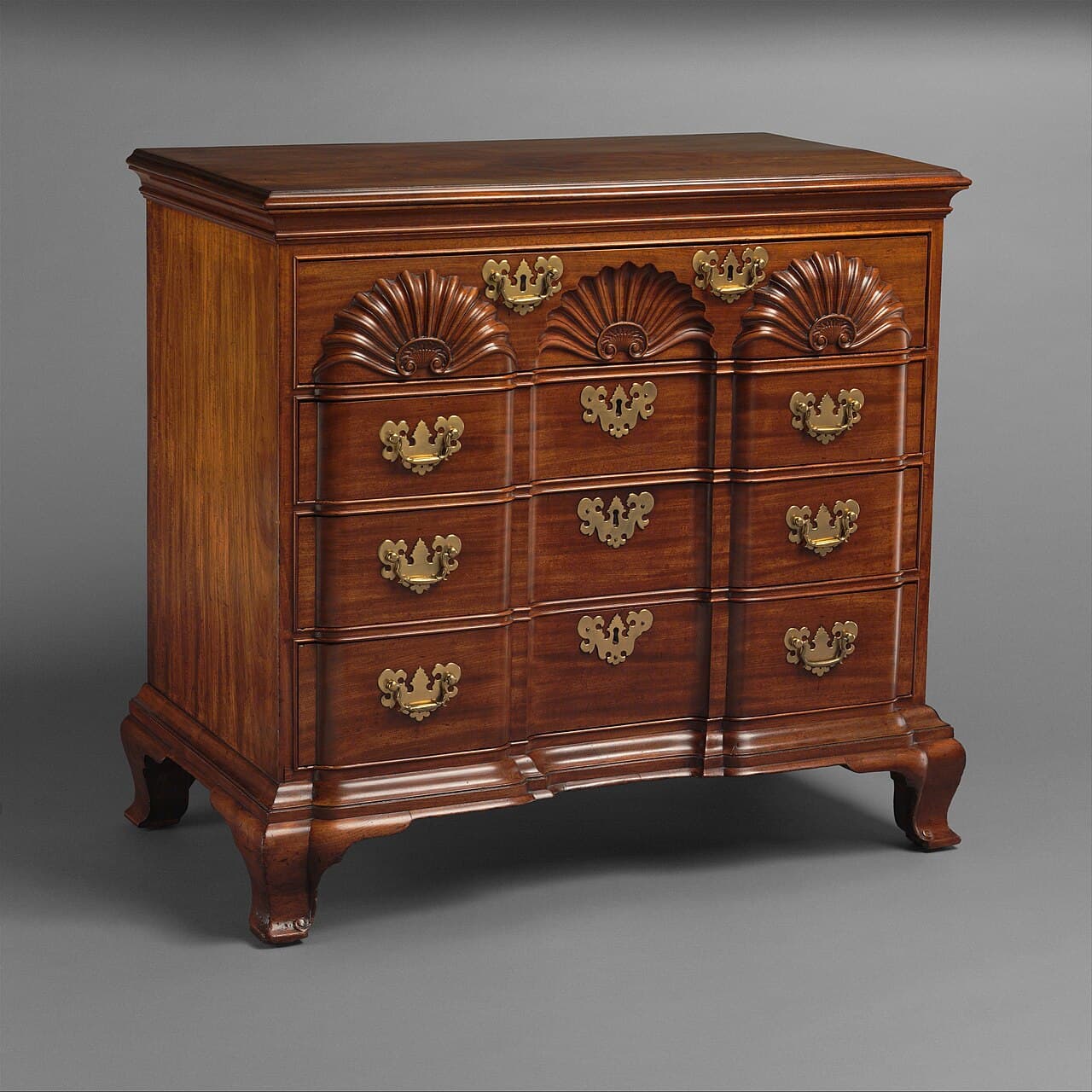
The method is simple:
- Clean first. Waxing over dirty surfaces will produce a grimy buildup.[1]
- Go sparingly. Apply new wax sparingly with a clean, cotton cloth.[1]
- Let it dry, then buff. Wait at least an hour or two for the solvent to evaporate and then buff the wax with another clean, cotton cloth.[1]
- Two thin coats. It is preferable to apply two thin coats rather than a single thick coat.[1]
- Mind the weather. Don't apply wax when it is hot and humid. The wax may turn white and cloudy.[1]
You do not need to rewax on a schedule: rewaxing is not necessary if the existing wax layer can be buffed to a sheen.[1] Keep wax out of cracks and off upholstery.
Protect it from the sun
Sunlight is slow, steady damage. Light will change the natural color of heartwood, making light woods darker and dark woods lighter.[1] It will fade stains and embrittle finishes.[1] The most harmful component of light is ultraviolet (UV) radiation, and light damage in furnished rooms is most commonly caused by sunlight streaming through unshaded windows.[1]
What helps: install UV filters on windows and florescent lamps to reduce most of the harmful UV radiation,[1] and use blinds, shutters, curtains, and roller shades.[1] Close them when the sun is on the piece, not just at night. Rotate lamps, bowls and frames now and then so one patch does not fade or darken differently from the rest.
Keep it out of the heat and damp
Heat is a two-part problem. It can mark a finish, and it dries the wood unevenly. The surface of a table leaf in the sun or near a radiator will become dryer than the surface underneath,[1] which can cause cupping and stress joints and veneer. Keep pieces off heating vents and radiators, and a few inches from exterior walls.
Damp rooms cause the opposite trouble. High humidity can cause white "blooms" and mildew damage on even stable finishes.[1] Our guide to why veneer peels explains how moisture and dry air also attack the glue.
Stop and call a pro if
- The piece is an antique or valuable. The circular warns that removing the original finish of a valuable piece in good condition would destroy much of its value and character.[2] Ask a restorer before you treat it.
- A ring or fade has gone through the color. Rubbing harder cannot bring back lost color; a repairer can color match and refinish the area.
- The finish is flaking, lifting or crazed across a wide area. That is refinishing, not maintenance.
- There is a white bloom or musty smell. That points to a damp room, and the room needs fixing first.
- You do not know the finish and the piece matters to you. A repairer can identify it in minutes.
Getting help in Virginia
For who does the work, see who repairs wood furniture. You can also browse furniture repair answers or small repairs on Loclis.
When you are ready, describe the repair once and local furniture repairers can quote it.
Common questions
- What causes white rings on wood furniture?
- Oregon State's extension circular says white rings or spots may be caused by moisture, heat, or alcohol. A wet glass or a hot mug is enough on some finishes, and the damage shows as a pale ring in the finish rather than a stain in the wood.
- Is paste wax or spray polish better?
- Paste wax, for a stable clear finish. The National Park Service says not to use liquid polishes because they do not offer the same protection as paste and most contain silicones, which migrate into the finish and complicate any future conservation treatment.
- How often should I wax furniture?
- Not on a calendar. The National Park Service says rewaxing is not necessary if the existing wax layer can be buffed to a sheen. A table that is used and handled daily may need it sooner than a piece that is rarely touched.
- Does wax stop water rings completely?
- No. Wax slows the penetration of water and water vapor, but a hot, wet cup left in place can still mark the finish. Coasters and trivets do the real work; wax is a second line of defense.
- How much sun is too much?
- Any steady direct sun, over months, does harm. The National Park Service says light fades stains and embrittles finishes, and that the most harmful part is ultraviolet radiation. Filtering the window and moving the piece out of the sun beam costs far less than refinishing.
- Can I wax unfinished or oiled wood?
- Not with paste wax. The National Park Service says to apply wax only to stable, clear finishes, and not to unfinished wood, because wax applied to unfinished wood surfaces cannot be completely removed. Oiled wood is best cared for with the oil its maker recommends.
Sources
- [1] Museum Handbook, Part I, Appendix N: Curatorial Care of Wooden Objects, National Park Service, U.S. Department of the Interior. Checked October 28, 2026.
- [2] Furniture Restoration, Extension Circular 734 (revised January 1970, archived), Cooperative Extension Service, Oregon State University. Checked October 28, 2026.
Want a pro to handle it?
Describe the job once. Licensed local businesses send quotes, and you pay only when you book one.
Get a quote for Furniture