Who repairs wood furniture?
Furniture repairers and restorers, working from a shop or coming to your home, fix wood furniture: loose joints, broken parts, veneer, scratches and finishes. For an antique or heirloom, look for a restorer or conservator. Built-in cabinetry and other work fixed to the house is contractor work, so check that person's DPOR licence.
Free to ask. Local shops send quotes, and you pay only when you book one.
By Kasra Taheri, Founder, LoclisPublished
Researched and drafted with AI, then checked claim by claim against the sources listed below before it was published. Prices and rules change; the dates beside each source say when it was last checked.
Step by step
Read when to stop and call a pro, further down this page, before you start.
Step 1: Decide what kind of piece it is
Sort it as everyday furniture, an antique or heirloom, or something built into the house, because that decides who to call.[1]
Step 2: Photograph the damage
Take clear photos of each problem and of the whole piece, and note any maker's marks or labels.
Step 3: Ask for local referrals and look at past work
Ask for local references and, if you can, look at finished pieces, as DPOR advises for contractors.[3]
Step 4: Ask what they have repaired before
Ask whether they have worked on your kind of piece and finish, and what glue and finish they use.
Step 5: Get a written, itemized quote
Ask for the repair, finish work, materials, pickup or a house call, and what is left out, in writing.
Step 6: Check the licence if it is fixed to the house
For built-in work, look the contractor up on DPOR's license lookup before you sign.[3]
Step 7: Keep the paperwork
Keep the quote and ask for an invoice listing what was done.[4]
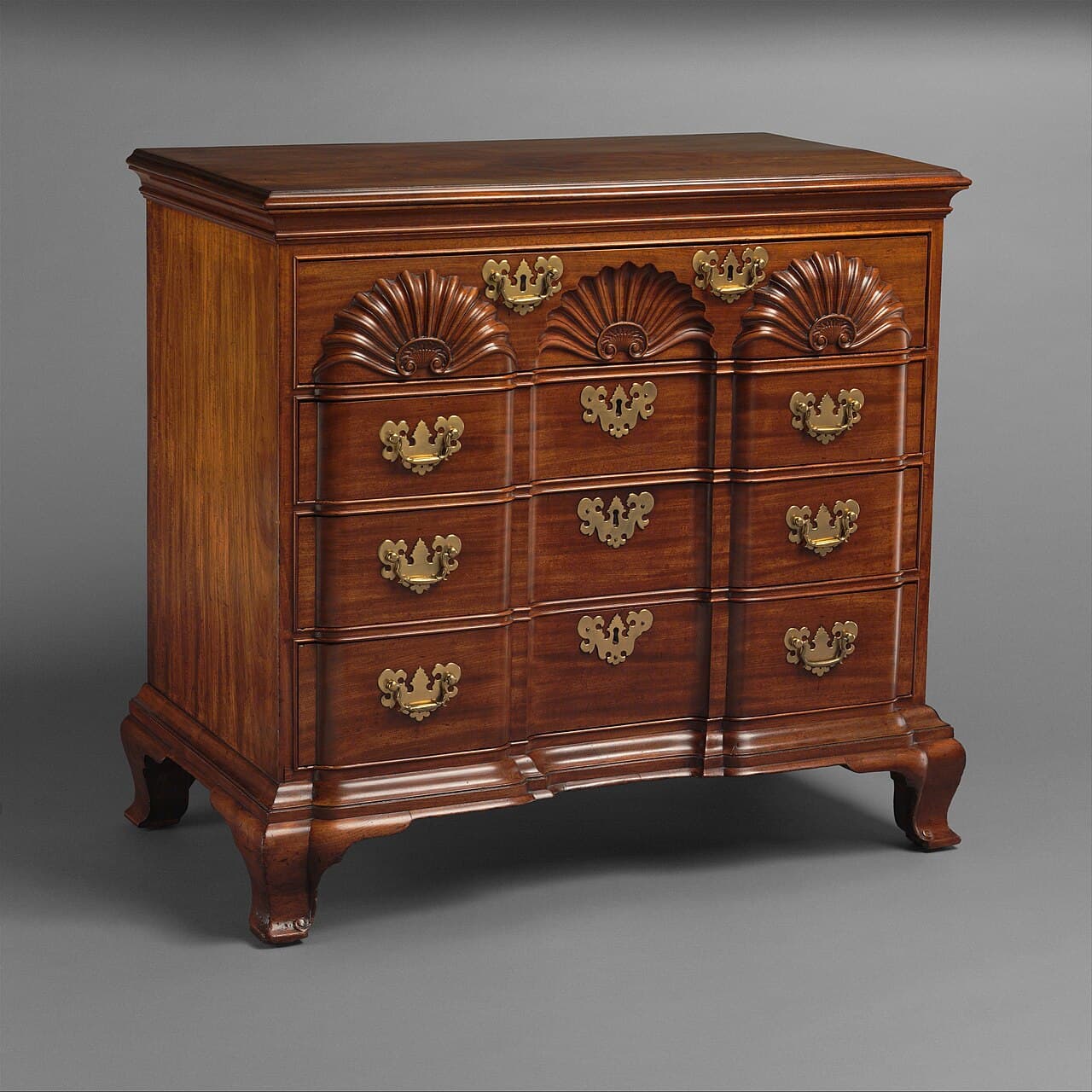
Wood furniture is repaired by furniture repairers and restorers, who work from a shop or come to your home, and by conservators for valuable pieces. Pick by what you have: an everyday dresser or table suits a repairer; an antique or heirloom suits someone who restores them; anything built into the house is contractor work and should be hired as such.
Who does what
Furniture repairers. They fix loose joints, broken legs and rails, drawers that will not run, veneer and finish damage. Many also refinish. This is who most people need.
Restorers and conservators. For an antique, the aim is different. The National Park Service describes a conservator's typical steps: examine the object, which includes identifying the type of wood, finish, adhesive and joinery techniques, then clean it and make structural repairs.[1] Those repairs restore structural integrity rather than necessarily appearance, and are reversible so they can be removed if necessary.[1]
Refinishers. They strip and refinish surfaces. Oregon State's extension circular warns that removing the original finish of a valuable piece in good condition would destroy much of its value and character.[5] For anything old, ask a restorer before a refinisher.
Cabinetmakers and contractors. Built-in cabinetry, stair parts and anything fixed to the house are closer to building work. Virginia's licensing law defines a contractor in terms of the construction, removal, repair or improvement of buildings and structures, including those permanently annexed to real property.[2] Loose furniture is not described there, but built-in work is closer to it. Ask DPOR whether a particular job needs a licence, and for built-in work check the licence before you sign.
Checking someone out
Ask for local references and call them. DPOR's guide advises asking a contractor for local references and calling them to see if they were satisfied, and, if possible, looking at finished projects.[3] The advice is written for contractors, but it works as well for a furniture repairer. Look at finished pieces if you can, and ask whether they have repaired your kind of furniture and finish.
For fixed work, check the licence itself. DPOR warns that a license number in an advertisement or on a business card does not necessarily mean the license is valid,[3] so look the person up on DPOR's website rather than trusting the card.
Get it in writing
Ask for an itemized written quote: the repair, finish work, materials, pickup and delivery or a house call, and what is left out. DPOR says Virginia law requires licensed contractors to provide a written contract for residential work.[3] A furniture repairer may not be covered by that, so ask for a quote on paper anyway.
Keep the paperwork. Virginia's Consumer Protection Act lists, among prohibited practices, misrepresenting that repairs, alterations, modifications or services have been performed or parts installed,[4] so an invoice that says what was done is worth having.
Or do it yourself
Small finish problems are within reach: see how to fix a scratch in wood furniture. The Oregon State circular says some techniques are best suited for professional use,[5] so leave joinery, veneer and valuable pieces to someone with experience. For prices, read how much wood furniture repair costs in Virginia.
Stop and call a pro if
- The piece is an antique, an heirloom or signed. Hire a restorer; the National Park Service notes that poorly done repairs are another common cause of damage to wooden objects.[1]
- A chair, bed or tall dresser is wobbling or cracked. A failed joint in something people sit on or climb can give way. Stop using it until it is repaired.
- The work is fixed to the house. Hire a licensed contractor and check the licence with DPOR.[3]
- A quote has no written scope. Ask for one before you hand the piece over.
Getting help in Virginia
Browse furniture repair answers or small repairs on Loclis.
When you are ready, describe the repair once and local furniture repairers can quote it.
Common questions
- Do furniture repairers need a licence in Virginia?
- Virginia's contractor licensing law is written around the construction, removal, repair, or improvement of any building or structure permanently annexed to real property. Freestanding furniture is not described in that wording, so a furniture repairer is not obviously covered. Work on built-ins is closer to it, so for that, check the contractor's licence with DPOR.
- What is the difference between a furniture repairer and a restorer?
- A repairer fixes what is broken, such as a loose joint or a scratched top. A restorer or conservator works to preserve the piece. The National Park Service describes conservators restoring structural integrity, but not necessarily appearance, and keeping repairs reversible so that they can be removed if necessary.
- Should I send an antique to a general handyman?
- Usually not. Oregon State's circular warns that removing the original finish of a valuable piece in good condition would destroy much of its value and character, and the National Park Service says poorly done repairs are a common cause of damage to wooden objects. Choose someone who has worked on antiques.
- Can I fix it myself?
- For a small finish problem, often. The circular says some techniques are best suited for professional use, so for a broken joint, veneer or a valuable piece, ask first. Our guide on fixing a scratch in wood furniture covers the simple case.
- What should the quote include?
- The repair, any finish work, materials, pickup and delivery or a house call, and what is excluded, in writing. Ask for an invoice that lists what was done, and keep both.
Sources
- [1] Museum Handbook, Part I, Appendix N: Curatorial Care of Wooden Objects, National Park Service, U.S. Department of the Interior. Checked October 27, 2026.
- [2] Va. Code § 54.1-1100, Definitions, Code of Virginia, Virginia General Assembly. Checked October 27, 2026.
- [3] What You Should Know Before You Hire a Contractor, Virginia Board for Contractors, DPOR. Checked October 27, 2026.
- [4] Va. Code § 59.1-200, Prohibited practices (Virginia Consumer Protection Act), Code of Virginia, Virginia General Assembly. Checked October 27, 2026.
- [5] Furniture Restoration, Extension Circular 734 (revised January 1970, archived), Cooperative Extension Service, Oregon State University. Checked October 27, 2026.
Want a pro to handle it?
Describe the job once. Licensed local businesses send quotes, and you pay only when you book one.
Get a quote for Furniture