Is it worth fixing an old riding mower?
Often yes, if the problem is a wear item such as fuel, filters, spark plugs, a blade or a belt, and the frame and deck are sound. It is usually not worth it when the estimate is a large share of a comparable new mower or the engine or transmission is worn out. Get a written estimate and a new-mower price, and compare.
Free to ask. Local shops send quotes, and you pay only when you book one.
By Kasra Taheri, Founder, LoclisPublished
Researched and drafted with AI, then checked claim by claim against the sources listed below before it was published. Prices and rules change; the dates beside each source say when it was last checked.
Step by step
Read when to stop and call a pro, further down this page, before you start.
Step 1: Find out what is actually wrong
Note the symptoms, then check the cheap causes first: old fuel, a dirty air filter and worn spark plugs, with the spark plug wires disconnected.[3]
Step 2: Get an itemized written estimate
Ask a small engine shop for labor and parts separately, and whether the diagnostic fee is credited to the repair.
Step 3: Ask how it sees the mower overall
Ask whether the engine, transmission, frame and deck are in good shape or whether this repair is the first of several.
Step 4: Price a comparable new mower
Ask a dealer for the current price of a mower of similar size and features, in writing.
Step 5: Decide with your own rule
Weigh the estimate against the new price, the mower's age and how it has run, and approve the repair only if it makes sense on all three.
Often yes, when the problem is a wear item on a mower that is otherwise sound. A mower that will not start because of stale fuel, or one that needs filters, spark plugs and a blade, is usually worth fixing. A mower with a worn-out engine, a failing transmission or a rusted-through deck usually is not. The deciding numbers are the written estimate and a current price for a comparable new mower.
Fixes that are usually worth it
Routine items are cheap relative to the machine. Illinois Extension describes air filters as often inexpensive, says fuel filters are typically changed annually and spark plugs typically every two years,[1] and notes that riding mowers have two spark plugs.[1]
Fuel is the other common cause with an inexpensive cure. Engines that are rarely or seasonally used, such as lawnmowers or chainsaws, are especially prone to difficulties with ethanol-blended fuel.[2] If an old mower sat all winter, fresh fuel and a cleaned carburetor often bring it back. After that, add fuel stabilizer if the equipment will be idle for more than a few weeks.[2]
A neglected mower can still be a good buy to fix if its maintenance is up to date from here. Illinois Extension says oil in most residential lawnmowers is typically changed every year;[1] see how to change the oil in a riding mower.
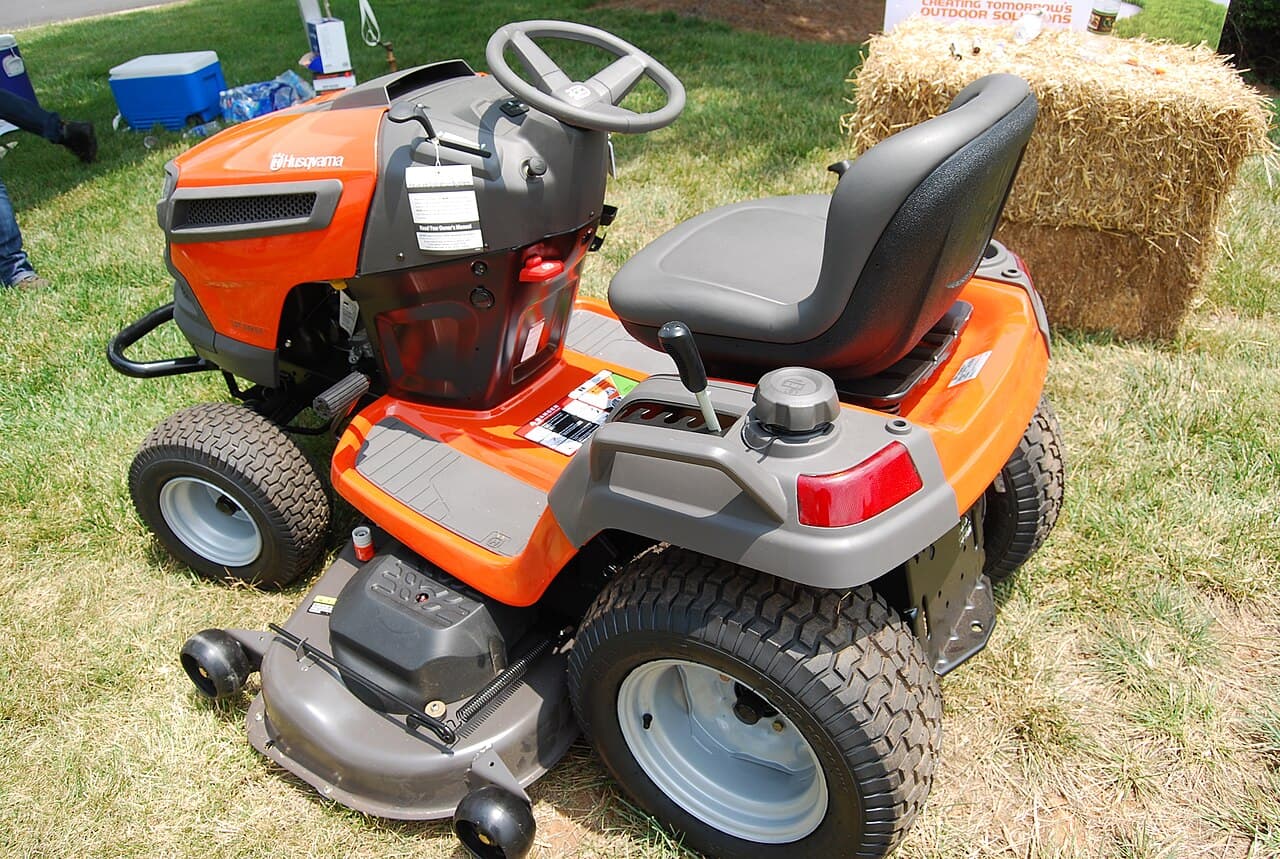
Signs it is not worth it
- The estimate is a large share of a comparable new mower. There is no fixed percentage, so your own budget and how long you want the mower to last matter most.
- More than one major system is failing. An engine that burns oil, a transmission that slips and a deck rotted by clippings add up.
- The deck has rusted through. Illinois Extension says clippings stuck to the underside of the deck hold water, rust the metal and shorten the equipment's life.[1]
- Parts are hard to find for the engine or transmission, which drives labor and wait time up.
- It has never been reliable, and you dread using it.
How to decide
Ask the shop for an itemized written estimate, and ask what condition the rest of the mower is in. A shop that works on mowers every day can usually tell you whether the repair is likely to hold. Then get a price for a comparable new mower from a dealer. Put the two next to each other, along with the cost of the repair that might come next.
Safety is also part of the picture. A repaired mower still needs working guards and safety switches, and Virginia Cooperative Extension says to never disengage any safety switches or devices.[3] Do not keep running a mower whose safety switches have been bypassed.
Stop and call a pro if
- The mower will not start after fresh fuel, a clean air filter and new spark plugs.
- There is a fuel leak, smoke or a burning smell.
- A blade is bent or loose.
- The transmission slips, will not move, or the steering is loose.
- Safety switches have been bypassed. Stop using the mower until a shop restores them.
Getting help in Virginia
For the bill itself, see how much riding mower repair costs in Virginia. Browse lawn equipment repair answers or lawn mowing services.
When you are ready, describe the mower and what it is doing and local small engine shops can quote it.
Common questions
- At what repair cost should I replace a riding mower instead?
- There is no fixed rule. Age, condition and budget matter. Get a written estimate and a dealer price and compare.
- Is it worth fixing a mower that will not start?
- Usually. Stale fuel, a dirty air filter and worn spark plugs are common causes, and Illinois Extension describes filters as often inexpensive and spark plugs as typically changed every two years.
- Will a rusted deck sink a mower?
- It can. Illinois Extension says clippings stuck under the deck hold water and rust the metal, shortening the equipment's life. A deck that has rusted through is often a reason to replace.
- How do I tell if an engine is worn out?
- Heavy smoke, steady oil loss, hard starting when warm and low power are signs. A shop can test it, so ask for an honest view in writing.
- Does an old mower have to be less safe?
- Not if its guards and safety switches work. Virginia Cooperative Extension says to never disengage any safety switches or devices, so a mower with them bypassed should be repaired or retired.
Sources
- [1] Mower Maintenance, University of Illinois Extension. Checked October 27, 2026.
- [2] Fuel Ethanol: Hero or Villain?, Penn State Extension. Checked October 27, 2026.
- [3] Lawn Care: Rotary Mower Safety (BSE-42P), Virginia Cooperative Extension, Virginia Tech. Checked October 27, 2026.
Want a pro to handle it?
Describe the job once. Licensed local businesses send quotes, and you pay only when you book one.
Get a quote for Lawn Equipment