What is a chimney liner, and do I need one?
A chimney liner is the inner pipe or tile that carries smoke and exhaust up and out while shielding the masonry and the house around it. Most chimneys should have one in sound condition. If yours is missing, cracked, or the wrong size for a new stove or insert, a professional can fit a stainless steel liner. Have the chimney inspected before deciding.
Free to ask. Local shops send quotes, and you pay only when you book one.
By Kasra Taheri, Founder, LoclisPublished
Researched and drafted with AI, then checked claim by claim against the sources listed below before it was published. Prices and rules change; the dates beside each source say when it was last checked.
This is a job for a licensed pro in Virginia
This page explains what the work involves, the permits, what a licensed pro does and what drives the cost. It does not give step-by-step instructions, because this work needs a licence, a permit or both, and doing it wrong can injure someone. Before you hire, check the licence on Virginia's DPOR record.
A chimney liner is the inner lining of the flue: the tile, metal or cast-in-place surface that carries smoke and exhaust up and out of the house. Most chimneys should have one in sound condition. If yours is missing, cracked or the wrong size for the appliance you are connecting, the usual fix is a stainless steel liner fitted by a professional.
What a liner does
The liner is what separates hot, corrosive exhaust from the masonry and from any wood framing nearby. It also sets the size of the passage the smoke travels through, which affects draft.
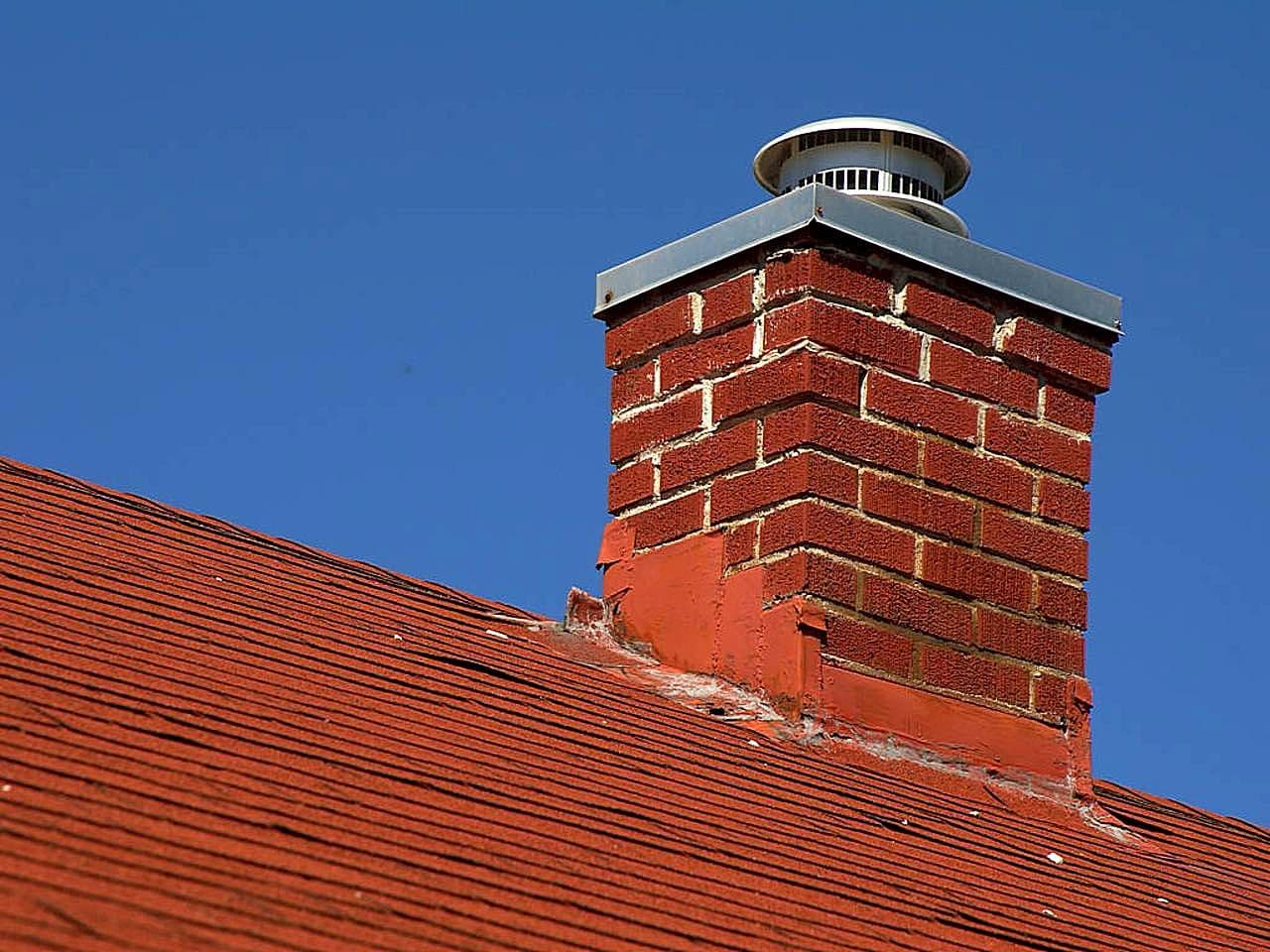
Woodstock Soapstone, a stove maker, lists what it calls the National Fire Protection code requirements for a safe masonry chimney: a fireclay flue liner 5/8 inch thick, a 1/2 inch air space between the liner and the inside face of the chimney walls, smooth mortar joints on the inside of the flue tiles, and chimney walls no less than 4 inches nominal thickness.[1] It adds that the chimney should also have a cap to keep out moisture, birds or other pests.[1]
Signs you may need a new or repaired liner
You cannot judge a liner by looking up from the fireplace. These are the situations that usually lead to one:
- an inspection finds cracked or missing tile, gaps at joints or crumbling mortar inside the flue
- the chimney was never lined, which is common in older houses
- you are adding a wood stove, insert or a new gas appliance to an existing chimney
- there has been a chimney fire, or smoke, soot or a smell of exhaust is getting into the room
- the flue is much larger than the appliance needs, so the stove is hard to start and builds creosote
Woodstock says even a chimney that has been in use for years may have flaws that make it unsafe for use now, and that all chimneys should be inspected by a professional and needed repairs made before a stove is connected.[1] EPA says an annual professional inspection includes looking for chimney cracks, which can allow smoke to enter your home or expose the chimney's components to high temperatures that may cause a fire.[2]
Do you need one?
It depends on what is wrong and what you plan to connect.
Existing liner in good shape, same appliance. You may need nothing beyond the yearly sweep and inspection.
Cracked, broken or missing liner. Repair is not optional. A damaged liner lets heat and exhaust reach the masonry and the house, so the choice is between relining and rebuilding the flue.
New stove or insert. An open-fireplace flue is generally far larger than a stove needs. Woodstock says a simple pipe from the stove into the fireplace is against the fire code, soots up the fireplace with creosote and will not give the stove the draft it needs.[1] It calls one full liner from top to bottom the best fireplace installation.[1]
New gas appliance. The appliance manufacturer's installation instructions decide what the flue must be. A sweep or installer should confirm that before the appliance goes in.
Types and how the choice is made
When a chimney does not meet the requirements above, Woodstock says it can often be re-lined, and that the most popular type for wood stove use is a flexible stainless steel liner that runs the entire length of the chimney.[1] Those liners are tested to UL Standard 1777 and should only be used in a chimney with at least 4 inches of masonry all around the liner, not in a combustible chase.[1]
If the chimney is unlined or the liner is in poor condition, Woodstock says the stainless steel liner must be wrapped in a special insulation that provides zero clearance from the chimney's masonry exterior to combustibles.[1] Insulation can also improve draft, so ask whether your quote includes it.
Size matters as much as material. In general, Woodstock says a chimney should be at least 14 feet high to give a wood stove adequate draft, and that an oversized flue lets smoke slow down and condense into water, creosote and sluggish draft.[1] The liner diameter should match the appliance's flue outlet and manufacturer instructions, not just whatever fits.
Permits and paperwork
Virginia's Uniform Statewide Building Code requires a permit before installations or alterations involving mechanical systems, fuel supply systems or any equipment regulated by the code.[3] Whether a liner for your appliance falls under that is a question for your locality's building official, so ask before work starts. DPOR advises that licensed contractors should apply for and obtain all building permits, not the consumer.[4]
When to call a licensed pro
For all of it. Fitting a liner means working on the roof and inside the flue, and a mistake shows up later as a chimney fire or exhaust in the house. Start with an inspection from a qualified chimney professional, then get written quotes for the repair.
Virginia requires that if the work is valued at $1,000 or more, a valid Virginia Contractor's License is required for the license category in which the contractor is to work.[4] Class C contractors are those working on single contracts over $1,000 but less than $30,000.[5] Check the licence before you pay a deposit.
For related reading, see how much a chimney liner costs in Virginia and who to hire to repair a chimney leak. Browse chimney and fireplace services or all chimney answers.
Describe your chimney once and licensed local businesses quote the liner or repair.
Common questions
- Can I use a fireplace chimney for a wood stove without a liner?
- Woodstock Soapstone, a stove maker, says that simply running a pipe from the stove into the fireplace is against the fire code, soots up the fireplace with creosote and will not give the draft the stove needs. A chimney that is unlined or in poor condition is a candidate for a stainless steel liner.
- What is a chimney liner made of?
- Most masonry chimneys are built with fireclay tile. A replacement liner for a wood stove is most often flexible stainless steel, which Woodstock says runs the entire length of the chimney. Other types exist, so ask the installer why they recommend the one they do.
- How do I know my liner is cracked?
- You usually cannot see it from the fireplace. A professional inspection with a camera or from the roof finds cracks, gaps and damaged joints. EPA says an inspection includes looking for cracks that can let smoke into the house or expose parts of the chimney to high temperatures.
- Does a new liner need a building permit in Virginia?
- It depends on the work and the locality. The Uniform Statewide Building Code requires a permit before installations or alterations involving mechanical systems, fuel supply systems or equipment it regulates. Ask your building official, and have a licensed contractor pull any permit in their own name.
- Does the liner affect how well a stove draws?
- Yes. Woodstock says an oversized flue lets smoke slow down and condense into water, creosote and sluggish draft, which is one reason a correctly sized liner can improve performance as well as safety.
Sources
- [1] Masonry Chimneys, Woodstock Soapstone Company (stove manufacturer). Checked October 27, 2026.
- [2] Wood-Burning Installation and Maintenance, U.S. Environmental Protection Agency, Burn Wise. Checked October 27, 2026.
- [3] 13VAC5-63-80. Section 108 Application for permit, Virginia Administrative Code (Uniform Statewide Building Code). Checked October 27, 2026.
- [4] What You Should Know Before You Hire a Contractor, Virginia Board for Contractors, DPOR. Checked October 27, 2026.
- [5] Code of Virginia § 54.1-1100. Definitions, Code of Virginia. Checked October 27, 2026.
Want a pro to handle it?
Describe the job once. Licensed local businesses send quotes, and you pay only when you book one.
Get a quote from a local pro