What needs to be done to a rental between tenants?
Inspect the empty unit against the move-in report and photograph it, test the smoke alarms, clean top to bottom, fix damage and repaint, check for pests and mold, then finish the paperwork. Virginia requires the move-out inspection within 72 hours of delivery of possession if the tenant asks in writing to attend, and the deposit notice within 45 days.
Free to ask. Local shops send quotes, and you pay only when you book one.
By Kasra Taheri, Founder, LoclisPublished
Researched and drafted with AI, then checked claim by claim against the sources listed below before it was published. Prices and rules change; the dates beside each source say when it was last checked.
Step by step
Read when to stop and call a pro, further down this page, before you start.
Step 1: Schedule the move-out inspection
If the tenant asked in writing to attend, hold the inspection within 72 hours of delivery of possession.[1]
Step 2: Compare with the move-in report
Walk each room with the move-in report and photograph new damage and clean areas alike.[2]
Step 3: Test the smoke alarms
Test every alarm, replace dead or missing ones, and note any that are 10 years past manufacture.[5]
Step 4: Clean top to bottom
Wash with detergent solution, rinse with clean water, and only then sanitize.[6]
Step 5: Check for pests and moisture
Look for the stains and dark spots the EPA lists as signs of bed bugs, and for visible mold.[8]
Step 6: Patch and paint
Fill holes, re-caulk and repaint, using a lead-safe certified firm for paid paint disturbance in a pre-1978 home.[10]
Step 7: Write the new move-in report
Itemize existing damage for the new tenant, and finish the old tenant's deposit notice within 45 days.[1]
Between tenants, a Virginia rental needs five things: a move-out inspection that records the condition of the unit, a safety check, a thorough clean, repairs and paint, and paperwork that closes out the old tenancy and documents the new one. Do them in that order, because the inspection tells you what the rest of the list contains.
Inspect first, before anyone cleans
Walk the empty unit room by room with the move-in report in hand and photograph everything, including what is fine. The tenant has a say in this. Within five days after the landlord gets notice of the tenant's intent to vacate, the landlord must tell the tenant of the right to be present at the move-out inspection, and if the tenant asks in writing to attend, the inspection must be made within 72 hours of delivery of possession.[1] Schedule it before the unit is touched.
The comparison point is the move-in report. The law has the landlord, within five days after occupancy of a dwelling unit, submit a written report to the tenant itemizing damages to the dwelling unit existing at the time of occupancy.[2] Damage already on that report is your baseline, so your repair list is what is new since then, less ordinary wear. Virginia does not require a landlord to repair damage merely because it is listed on the report, unless § 55.1-1215 or § 55.1-1220 requires it.[2] The tenant's duty at the end of the tenancy is to leave the premises in good and clean order, reasonable wear and tear excepted.[3]
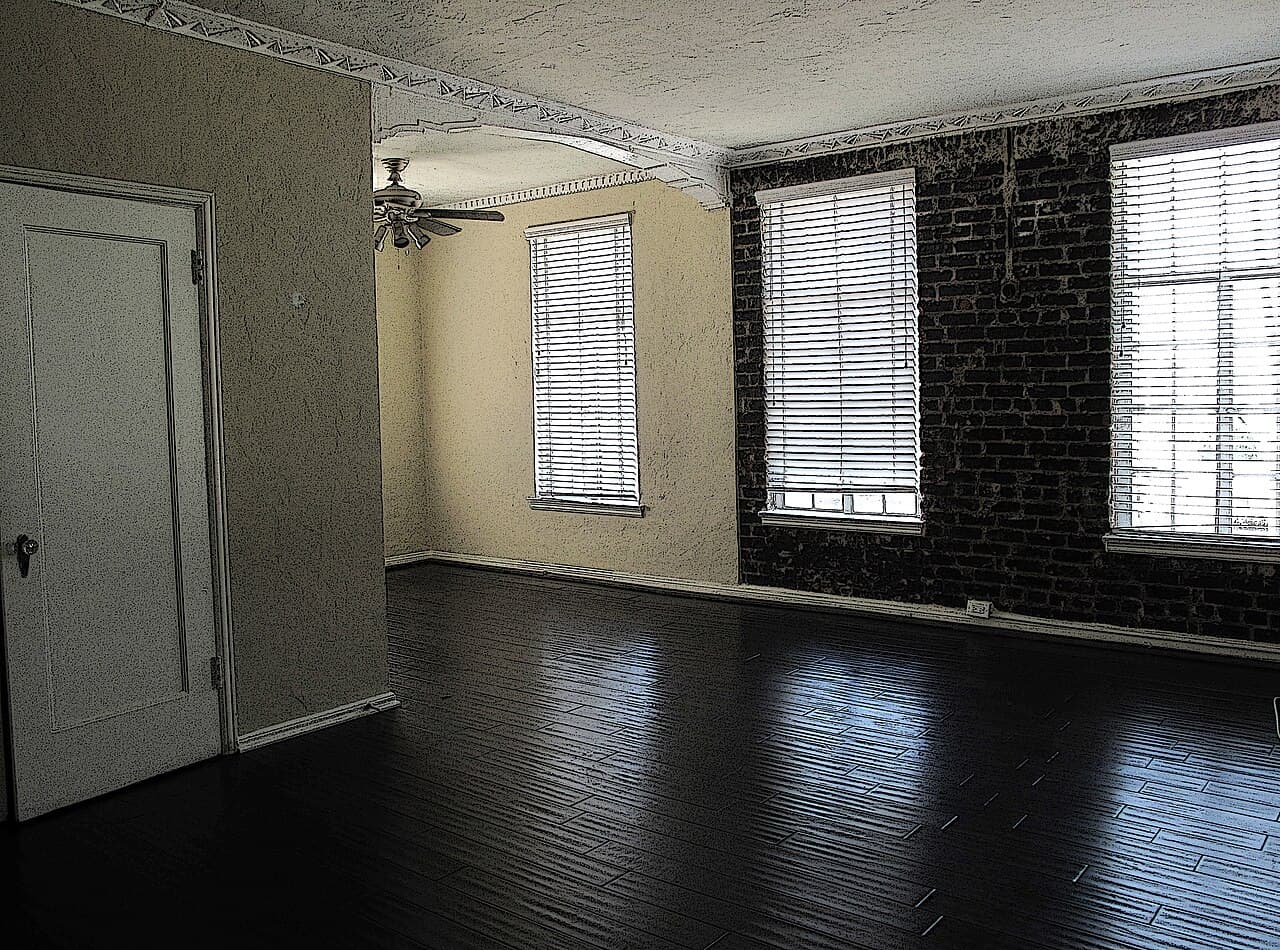
Safety checks come before cosmetics
Smoke alarms come first. Under § 55.1-1220 the landlord must provide a certificate to the tenant stating that all smoke alarms are present, have been inspected, and are in good working order.[4] A turnover is the natural moment to test every alarm and to replace the ones that are missing, dead or old. The U.S. Fire Administration says smoke alarms need to be replaced 10 years from the manufacture date,[5] and to test the alarm monthly.[5]
Also check that the water runs hot, that every appliance the lease supplies still works, that doors and windows lock, and that there is no sign of a leak under sinks or on ceilings. Anything involving gas, wiring or the heating and cooling system belongs to a licensed tradesperson, not to a make-ready checklist.
Clean in the right order
Clean from the top down: ceiling fixtures and vents, then walls, cabinets, appliances, counters, floors last. Virginia Cooperative Extension's method for any surface is the same: scrape and rinse off loose soil, wash with a soap, cleaner or detergent solution, then thoroughly rinse with clean water to remove dust, food debris and any detergent.[6] Only then is the surface ready for a sanitizer or disinfectant.[6] Do not mix different cleaning chemicals, bleach and ammonia for example, because they can cause serious harm.[6]
Pay extra attention to the places a tenant was responsible for. The tenant must keep plumbing fixtures as clean as their condition permits and remove garbage and rubbish from the unit,[7] so a bathroom or kitchen left in poor shape is a legitimate item on the report. Our guide to what landlords check at a move-out inspection lists the usual items, and cleaning charges have their own limits.
Look for pests and moisture
Check mattresses and bed frames if any were left, along with baseboards and outlet covers. The EPA lists the signs of bed bugs: rusty or reddish stains on bed sheets or mattresses caused by bed bugs being crushed, and dark spots that are bed bug excrement.[8] They hide near the piping, seams and tags of a mattress and box spring, and in cracks on a bed frame and headboard.[8]
For mold, the EPA says that if the moldy area is less than about 10 square feet, in most cases you can handle the job yourself.[9] A bigger patch, or one that keeps coming back, points to a moisture problem that needs fixing at its source first.
Repair and paint
Patch holes, replace damaged blinds and screens, re-caulk, and repaint what needs it. A fresh coat on a few walls is usually cheaper than arguing about shades of off-white, but it is a business decision, not an automatic charge to the tenant; see whether a landlord can charge for repainting.
In a home built before 1978, painted surfaces may contain lead. The EPA's rule requires anyone paid to perform work that disturbs painted surfaces in homes, childcare facilities and preschools built before 1978 to be certified.[10] EPA says it does not generally apply to homeowners working on their own pre-1978 homes, but it does apply if you rent all or part of your home.[10] Sanding, scraping or cutting out old paint in an older rental is a reason to hire a lead-safe certified firm.
Close out the paperwork
Once the unit is ready, hand the new tenant a move-in report you have already written, and keep the old tenant's file. The deposit has a clock: the landlord must itemize the security deposit and any deductions in a written notice given to the tenant within 45 days after the tenancy ends or the tenant vacates, whichever occurs last.[1] Plan the repair work to finish well inside that window.
Stop and call a pro if
- The job needs a contractor. A Class C licence covers a single contract or project over $1,000 but less than $30,000.[11] Verify the licence before you hire; see how to check if a contractor is licensed.
- There is gas, wiring, plumbing or heating trouble. Anything beyond a plug-in device or a washer swap is a licensed tradesperson's job.
- Mold covers more than about 10 square feet or comes with water damage.
- A pre-1978 home needs sanding or paint removal by someone who is paid.
- You find bed bugs. Treatment is a pest-control job.
Getting help in Virginia
A good turnover is a short, written list, done in order, by people whose licences you have checked. Browse turnover and property services, read more commercial answers, and when the list is ready, describe the work once and local businesses will quote it.
Common questions
- What is the first thing to do when a tenant moves out?
- Inspect the empty unit with the move-in report in hand and photograph everything before any cleaning or repair. If the tenant asked in writing to attend, Virginia requires the inspection within 72 hours of delivery of possession.
- How long do I have to return the security deposit in Virginia?
- The landlord must give the tenant a written itemized notice of the deposit and any deductions within 45 days after the tenancy ends or the tenant vacates, whichever is later, along with any money due.
- Do I have to repair damage listed on the move-in report?
- Not necessarily for that reason alone. Under § 55.1-1214, damage on the move-in report does not oblige the landlord to repair it unless another duty, such as keeping the unit fit and habitable, requires it.
- Do I need a certified contractor to repaint an older rental?
- If the home was built before 1978 and someone is paid to disturb painted surfaces, the EPA's lead rule requires certification, and it applies to rentals. Ordinary repainting over sound paint with no sanding or scraping is a different matter; ask a certified firm if unsure.
- Should I use a cleaning service or clean it myself?
- Either works if the result is documented. A service saves time when several units turn over at once; doing it yourself is fine for one unit. Compare quotes in writing, and see how much move-out cleaning costs in Virginia.
Sources
- [1] Va. Code § 55.1-1226, Security deposits, Code of Virginia, Virginia General Assembly. Checked October 27, 2026.
- [2] Va. Code § 55.1-1214, Inspection of dwelling unit; report, Code of Virginia, Virginia General Assembly. Checked October 27, 2026.
- [3] Va. Code § 55.1-1233, Tenant to surrender possession of dwelling unit, Code of Virginia, Virginia General Assembly. Checked October 27, 2026.
- [4] Va. Code § 55.1-1220, Landlord to maintain fit premises, Code of Virginia, Virginia General Assembly. Checked October 27, 2026.
- [5] Smoke Alarms, U.S. Fire Administration, FEMA. Checked October 27, 2026.
- [6] How to Clean, Sanitize, and Disinfect Surfaces (FST-395NP), Virginia Cooperative Extension, Virginia Tech. Checked October 27, 2026.
- [7] Va. Code § 55.1-1227, Tenant to maintain dwelling unit, Code of Virginia, Virginia General Assembly. Checked October 27, 2026.
- [8] How to Find Bed Bugs, U.S. Environmental Protection Agency. Checked October 27, 2026.
- [9] Mold Cleanup in Your Home, U.S. Environmental Protection Agency. Checked October 27, 2026.
- [10] Lead Renovation, Repair and Painting Program, U.S. Environmental Protection Agency. Checked October 27, 2026.
- [11] Va. Code § 54.1-1100, Definitions, Code of Virginia, Virginia General Assembly. Checked October 27, 2026.
Want a pro to handle it?
Describe the job once. Licensed local businesses send quotes, and you pay only when you book one.
Get a quote from a local pro