Can a Virginia landlord charge a tenant for repainting after move-out?
Only for damage, not ordinary wear. Virginia lets a landlord apply a security deposit to damage the tenant caused beyond reasonable wear and tear, and to other charges the lease allows, but the deductions must be itemized in writing within 45 days. Repainting merely because paint aged or a new tenant is moving in is the landlord's cost.
Free to ask. Local shops send quotes, and you pay only when you book one.
By Kasra Taheri, Founder, LoclisPublished
Researched and drafted with AI, then checked claim by claim against the sources listed below before it was published. Prices and rules change; the dates beside each source say when it was last checked.
Step by step
Read when to stop and call a pro, further down this page, before you start.
Step 1: Pull the move-in report
Find the written report itemizing damage existing at move-in; it is deemed correct unless the tenant objected within five days.[4]
Step 2: Offer the move-out inspection
Give written notice of the tenant's right to be present; inspect within 72 hours of delivery of possession if asked.[1]
Step 3: Photograph each damaged wall
Take dated photos that show what is damage and what is ordinary wear.
Step 4: Decide what is damage
Charge only for damage beyond reasonable wear and tear, and check the lease for other allowed charges.[1]
Step 5: Get a written quote or invoice
Keep the painter's itemized price for the damaged area.
Step 6: Send the itemized notice
Give the tenant the itemization and any money due within 45 days.[1]
Sometimes, but only for damage, not for ordinary wear. In Virginia a landlord may apply the security deposit only to unpaid rent, to damage the tenant caused by failing to keep the unit as the law requires, less reasonable wear and tear, to other charges the rental agreement allows, and to actual damages for breach.[1] Repainting because the paint has aged or a new tenant wants a fresh coat is the landlord's cost. Repainting walls the tenant marked up, painted without the approval the lease requires or stained with smoke can be charged as damage, in proportion to the damage, if it is itemized.
This is general information, not legal advice.
What the law actually says
The deposit rule is in § 55.1-1226. The deposit may be applied "solely" to four things: accrued rent, damages from the tenant's noncompliance with the tenant maintenance section, less reasonable wear and tear, other damages or charges provided in the rental agreement, and actual damages for breach of the agreement.[1] The law does not list repainting as a category of its own, so any charge has to fit one of those.
The tenant's duties are in § 55.1-1227. A tenant must not deliberately or negligently destroy, deface, damage, impair, or remove any part of the premises.[2] Defacing a wall counts. At the end of the tenancy the tenant must leave the premises in good and clean order, reasonable wear and tear excepted.[3]
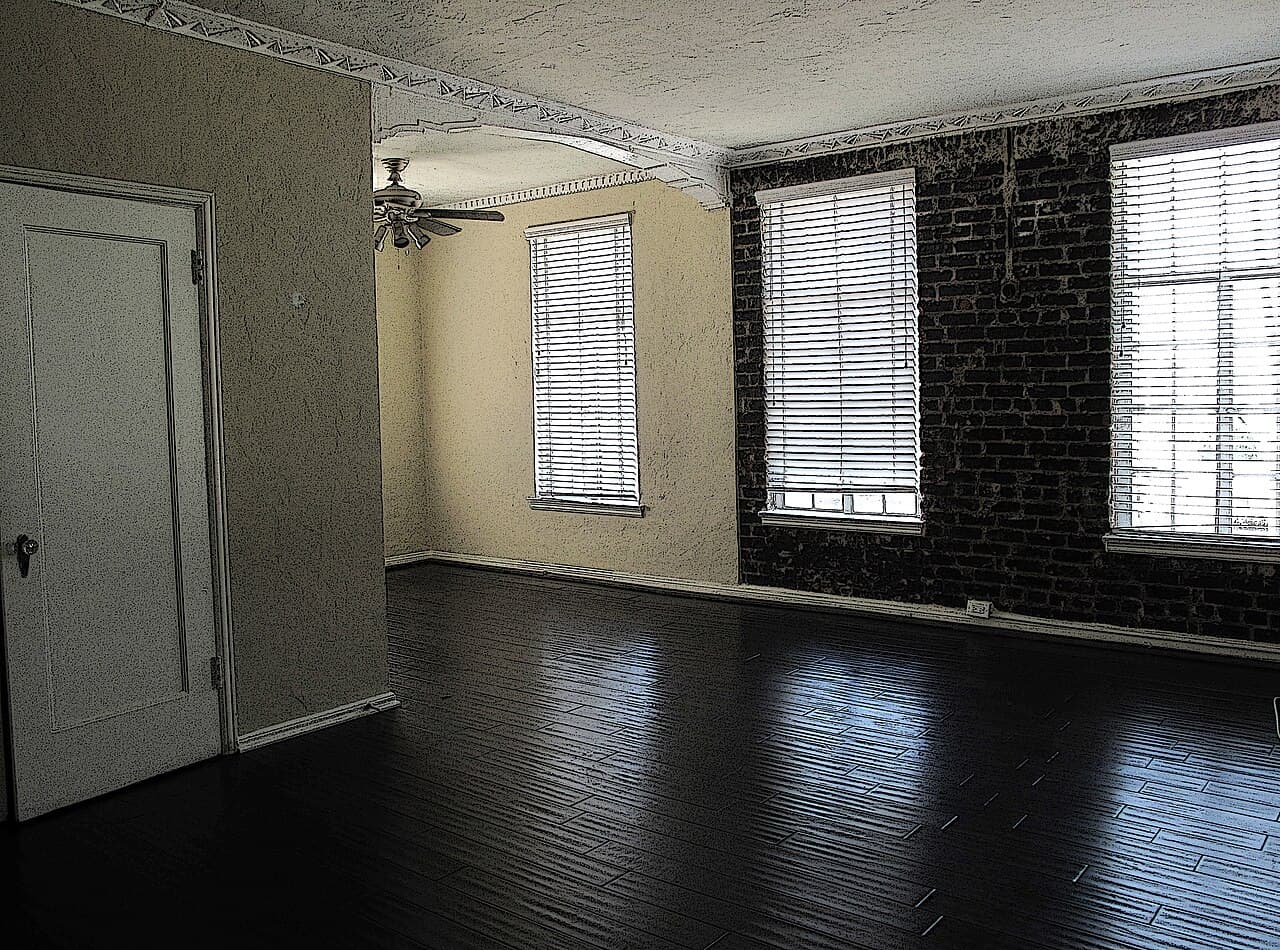
Wear and tear versus damage
The statute does not define reasonable wear and tear, so a dispute turns on facts. Fading, light scuffs and small marks from furniture after a normal tenancy are usually wear. Crayon on a wall, large gouges, tape or adhesive that stripped paint, grease and smoke staining, and a bold colour the tenant painted over without permission are more likely damage. The longer the tenancy, the more of the paint's life was used up by normal living, and the less of a repaint the tenant should bear.
If the tenant painted without approval, check the lease. The tenant may not paint or disturb painted surfaces without the landlord's prior written approval where the home was built before 1978, the landlord has given the lead-based paint disclosures and the rental agreement requires that approval.[2]
The move-in report decides a lot
The law has the landlord, within five days after occupancy of a dwelling unit, submit a written report to the tenant itemizing damages to the dwelling unit existing at the time of occupancy, and the report is deemed correct unless the tenant objects in writing within five days after receipt.[4] A scuffed wall already listed there is part of the baseline, so it is hard to call it new damage at move-out. A report that says "walls: good" is the landlord's best evidence of new damage.
How a charge must be handled
- Inspection. The landlord must give written notice of the tenant's right to be present at the inspection, and if the tenant asks in writing, the inspection must be made within 72 hours of delivery of possession.[1]
- Itemization. The deposit and any deductions must be itemized in a written notice given to the tenant within 45 days after the tenancy ends or the tenant vacates, whichever occurs last.[1] The notice should state the room, the damage and the cost.
- Third-party repair. If the damage exceeds the deposit and needs a third-party contractor, the landlord must give written notice of that within the 45 days and then has an additional 15 days to itemize the damage and the cost of repair.[1]
- Later damage. If the landlord discovers more damage after the disposition, the tenant may present a copy of the move-out report as evidence that it did not exist at the move-out inspection.[1]
- Wilful failure. If the landlord willfully fails to comply with the section, the court shall order the return of the security deposit together with actual damages and reasonable attorney fees, unless the tenant owes rent.[1]
Charging fairly
Prorate. A charge for a full repaint of a room whose paint was five years old, when the tenant damaged one wall, is hard to defend. Charge for the damaged wall, or for the damaged portion of the room's cost, and keep the contractor's invoice. Photos dated at move-in and move-out help both sides.
For what a painter will quote and when patching is a separate trade, see whether to hire a painter or a drywall contractor to patch walls, and for the other major deduction see cleaning charges.
Stop and call a pro if
- The charge is disputed and large. A tenant or landlord with a serious disagreement should talk to a Virginia attorney or a local legal aid office, or go to the general district court.
- The home was built before 1978 and the old paint is peeling or must be sanded. A paid worker must be certified under the EPA's rule, which requires anyone paid to perform work that disturbs painted surfaces in homes, childcare facilities and preschools built before 1978 to be certified.[5]
- The wall damage hides moisture. Staining, soft drywall or mold needs the cause found before anyone paints.
Getting help in Virginia
Read what needs to be done to a rental between tenants for the full sequence, and what tenant turnover costs. Browse property services or more commercial answers, and when the walls need work, describe the job and local businesses will quote it.
Common questions
- Can a landlord charge for repainting because the paint is old?
- Not as damage. The deposit may be applied only to unpaid rent, damage beyond reasonable wear and tear from the tenant's failure to meet the law's duties, other charges in the rental agreement and actual damages for breach. Ordinary ageing of paint is wear.
- What if I painted a wall without asking?
- Your lease governs. Virginia lets a lease require a tenant in a pre-1978 home to get the landlord's prior written approval before painting, once the landlord has given the lead-based paint disclosures. Painting without it can lead to a charge for restoring the wall.
- How long does the landlord have to itemize deductions?
- 45 days after the tenancy ends or the tenant vacates, whichever occurs last. If third-party repairs will exceed the deposit, the landlord must say so within that period and then has 15 more days to itemize.
- Can the landlord charge me for damage found after the deposit is returned?
- Possibly. If the landlord discovers additional damage after the disposition, it is not barred from recovering it, but the tenant may use a copy of the move-out report as evidence that the damage did not exist at the inspection.
- Do I have the right to be at the move-out inspection?
- Yes. The landlord must give written notice of that right, and if you ask in writing to attend, the inspection must be made within 72 hours of delivery of possession.
Sources
- [1] Va. Code § 55.1-1226, Security deposits, Code of Virginia, Virginia General Assembly. Checked October 27, 2026.
- [2] Va. Code § 55.1-1227, Tenant to maintain dwelling unit, Code of Virginia, Virginia General Assembly. Checked October 27, 2026.
- [3] Va. Code § 55.1-1233, Tenant to surrender possession of dwelling unit, Code of Virginia, Virginia General Assembly. Checked October 27, 2026.
- [4] Va. Code § 55.1-1214, Inspection of dwelling unit; report, Code of Virginia, Virginia General Assembly. Checked October 27, 2026.
- [5] Lead Renovation, Repair and Painting Program, U.S. Environmental Protection Agency. Checked October 27, 2026.
Want a pro to handle it?
Describe the job once. Licensed local businesses send quotes, and you pay only when you book one.
Get a quote from a local pro