Where are the biggest air leaks in a house?
In most homes the biggest air leaks are hidden in the attic floor and the basement or crawl space, not at the windows and doors where you feel drafts. Warm air escapes through holes for wiring, pipes, flues, recessed lights and the attic hatch, and outside air is pulled in where the house framing sits on the foundation.
Free to ask. Local shops send quotes, and you pay only when you book one.
By Kasra Taheri, Founder, LoclisPublished
Researched and drafted with AI, then checked claim by claim against the sources listed below before it was published. Prices and rules change; the dates beside each source say when it was last checked.
Step by step
Read when to stop and call a pro, further down this page, before you start.
Step 1: Sketch the floor plan
Mark dropped soffits over cabinets, slanted ceilings over stairs and places where walls meet the ceiling, so you know where to look from the attic.[1]
Step 2: Wait for a windy day
Leaks are easiest to find when it is cold or windy outside and the house is closed up.
Step 3: Test with smoke
Hold a lit incense stick near outlets on outside walls, baseboards, window and door trim and the attic hatch, and watch where the smoke moves.
Step 4: Look in the attic
From the hatch or on the joists, never on bare drywall or insulation, look for dirty insulation over interior walls, which shows air moving through it.[1]
Step 5: Check the wall tops
Shine a flashlight at the tops of the walls in the attic; if you can see down into a wall cavity, it is open to the house.[2]
Step 6: Check the basement edge
Look where the wood framing sits on the foundation and around pipes and wires that pass through, the most important place to check in a basement.[2]
Step 7: Note gap sizes
Record each gap and roughly how wide it is, since caulk suits gaps of 1/4 inch or less and spray foam suits gaps from 1/4 inch to about 3 inches.[1]
Step 8: Book a blower door test
For a measured answer, have an energy auditor run a blower door test, which finds most leaks and measures the house's total leakage.[2]
The biggest air leaks in most houses are the ones you never see: in most homes, the most significant air leaks are hidden in the attic and basement.[1] The drafts you feel at windows and doors are real, but they are usually the other end of a larger flow that starts in the attic floor and the basement or crawl space.
Added together, the gaps in a typical house are large. ENERGY STAR says they add up to the equivalent of having a window open every day of the year,[3] and estimates that homeowners can save an average of 15% on heating and cooling costs (or an average of 11% on total energy costs) by sealing air leaks and adding insulation in attics, floors over crawl spaces and basements.[3]
Why the attic and basement matter most
In cold weather, warm air rises in your house, just like it does in a chimney.[1] It leaks out through holes in the top of the house, and colder outside air is pulled in low down to replace it. That is why the Virginia Energy Savers Handbook says the most significant loss of heat is usually from the living space up into the attic,[2] and puts the basement or crawl space second. Leaks through walls and windows, although more conspicuous, allow less actual energy loss and should be the last priority.[2]
The usual leak points, top to bottom
ENERGY STAR's list of common household air leaks covers the attic hatch, wiring holes, the plumbing vent, open soffits, recessed lights, furnace flue and duct chaseways, the space behind kneewalls, basement rim joists, and windows and doors.[1] Here is where to look for each.
The attic floor. One particularly common site for air leakage is through wiring and plumbing holes at the top of interior walls,[2] usually buried under the insulation. Push the insulation back above interior walls and look for gaps around wires and pipes. The tell is dirty insulation, which indicates air is moving through it.[1] Moisture stains on the wood framing and dust marks on the underside of insulation batts are other tracks of air leakage.[2]
Dropped soffits and chases. The boxed-in areas over kitchen cabinets, bath vanities and stairs often open straight into the attic, as do the chases that carry ducts and flues up through the house. From the attic they look like holes or pockets in the insulation.
Open wall tops in older houses. Many older houses were built with balloon framing, where wall cavities run open to the attic. The handbook notes that heat from all over the house enters the walls and is dumped into the attic through the open tops.[2] A flashlight pointed down at the tops of the walls shows it.
The attic hatch or pull-down stairs. A loose, unweatherstripped hatch is a hole in the ceiling with a lid on it.
Recessed lights. Recessed lights that protrude into the attic create open holes into it.[1] They are hard to seal safely: older fixtures need air space to shed heat, and ENERGY STAR says it's best to consult with a professional before sealing them.[1] It also says to keep insulation 3 inches from can lights except those rated IC.[1]
The basement or crawl space edge. The most important thing to check in the basement is air leakage at the point where the house sits on its foundation.[2] That is the rim joist, the band of framing on top of the foundation wall. ENERGY STAR adds that sealing there is especially important at bump-out areas such as bay windows that hang off the foundation.[1] Check the holes where pipes, wires, the plumbing vent and the furnace flue pass up through the basement ceiling, too.
Ducts. Leaky ducts in an attic or crawl space waste conditioned air directly. Appalachian Power notes that nearly 20% of air moving through duct systems is lost to leaks,[5] and ENERGY STAR says sealing and insulating ducts can increase the efficiency of a heating and cooling system by 20%.[1] See how to seal leaky air ducts.
Windows, doors and outlets. These are where you notice drafts. The handbook says leaks are common around windows, electrical outlets, and in general at any place where a wall meets the floor or ceiling.[2] They are worth sealing for comfort, but do them after the attic and basement. For doors, see how to weatherstrip a drafty door.
Matching the fix to the gap
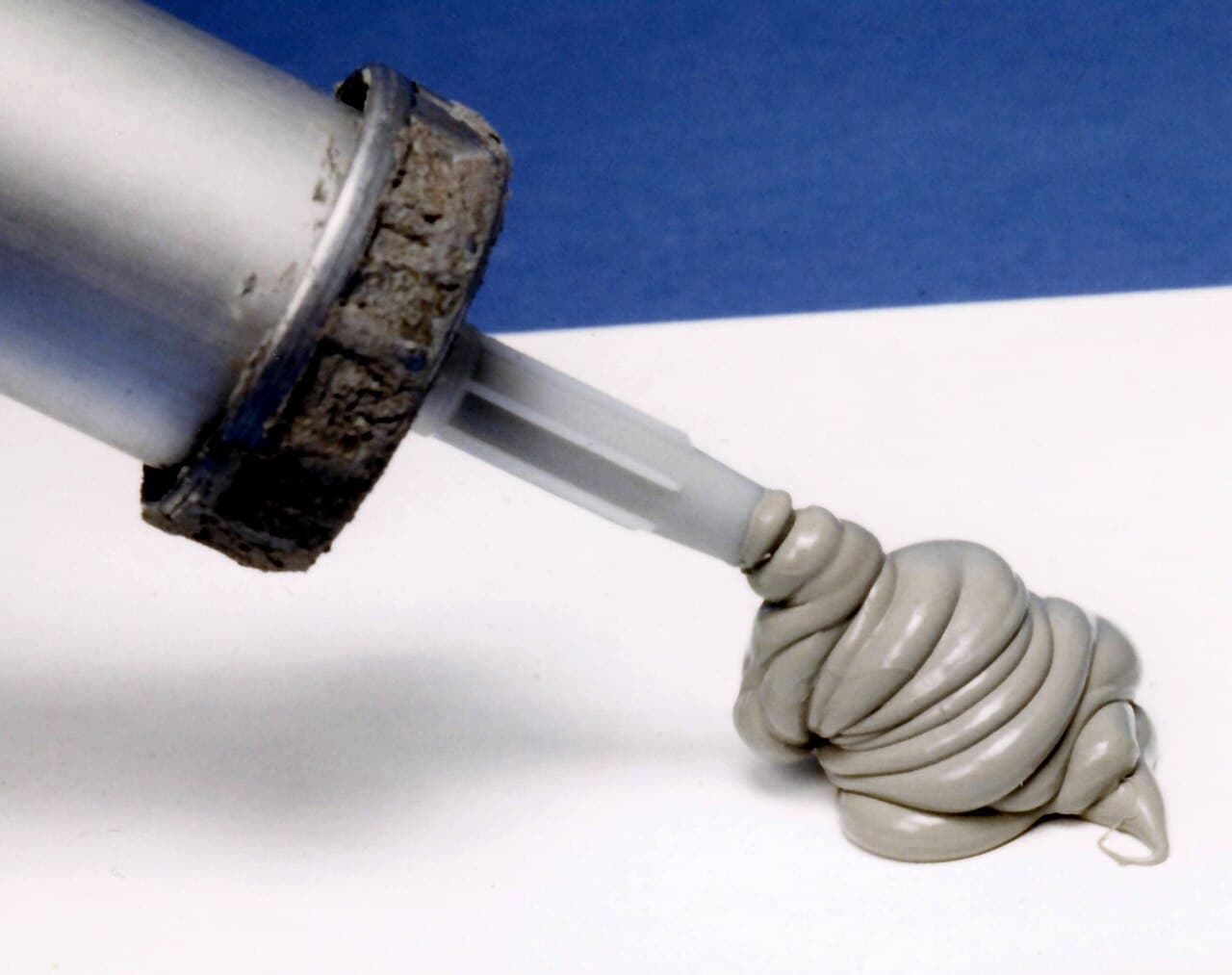
Size decides the material. ENERGY STAR says caulk is best for gaps of 1/4 inch or less, and spray foam for gaps from 1/4 inch to about 3 inches.[1] Bigger openings, such as an open soffit or wall top, are covered with rigid board or foil insulation and sealed at the edges. Flues and chimneys need special high-temperature caulk, not ordinary foam or caulk.[1]
Before you seal: combustion safety
A tighter house changes how air moves, and that matters if you burn fuel. ENERGY STAR warns that sealing your home or ductwork can cause combustion appliances like water heaters to backdraft,[4] and advises that you have your heating and cooling technician check gas- or oil-fired furnaces, water heaters and dryers for proper venting.[1] The handbook recommends a professional draft test before air sealing starts and again after it is finished.[2]
Stop and call a pro if
ENERGY STAR lists conditions that call for a contractor before you work in the attic, including wet insulation, moldy or rotted framing, bath or dryer vents that exhaust into the attic, a history of ice dams, and knob and tube wiring (pre-1930), which can be a fire hazard when in contact with insulation.[1] Call a pro as well if:
- The house has natural-draft gas or oil appliances and nobody has tested them for safe venting.
- You find recessed lights that are not IC-rated, or old wiring, under the insulation.
- The attic or crawl space has insulation you think may contain asbestos, or signs of animals.
- The attic is hard to move around in safely.
A professional energy audit with a blower door test is the surest way to find the leaks. You can also browse handyman services, handymen around Blacksburg and the other handyman answers. To have the sealing done, describe the job once and local businesses quote it.
Common questions
- Why do I feel drafts at the windows if the big leaks are in the attic?
- Because the leaks work as a pair. Warm air escaping through the attic floor pulls cold outside air in low in the house, through gaps at windows, doors, outlets and the basement. You feel the incoming air at the windows, but sealing the attic and basement leaks slows the whole flow.
- Are electrical outlets a big source of air leaks?
- Outlets and switches on outside walls often leak, and you can feel or see it with incense on a windy day. Foam gaskets behind the cover plates help, but the air usually comes from a bigger path behind the wall, such as an open wall top in the attic or a gap at the rim joist, so seal those too.
- Can I find air leaks without a blower door?
- Yes, roughly. Feel for drafts and watch incense smoke on a cold, windy day, look for dirty insulation in the attic and gaps at the top of the basement wall. A blower door test is more thorough: it depressurizes the house so leaks show clearly, and it measures how leaky the house is before and after sealing.
- Is it safe to seal up a house too tightly?
- It can cause problems if the house has fuel-burning appliances that rely on natural draft, or if moisture and indoor pollutants have nowhere to go. ENERGY STAR advises inspection and testing by a home energy professional to catch combustion safety issues before air sealing, and a very tight house may need mechanical ventilation.
- Where should I start sealing first?
- Start in the attic with the large openings: open wall tops, dropped soffits, the attic hatch and holes around flues, pipes and wires. Then move to the basement or crawl space rim joist and the pipes and wires that pass through the floor. Windows, doors and trim come last.
Sources
- [1] A Do-It-Yourself Guide to Sealing and Insulating with ENERGY STAR (July 2016), ENERGY STAR, U.S. Environmental Protection Agency. Checked October 26, 2026.
- [2] Virginia Energy Savers Handbook, third edition (2006), Virginia Tech and the Virginia Department of Mines, Minerals and Energy. Checked October 26, 2026.
- [3] Why Seal and Insulate?, ENERGY STAR, U.S. Environmental Protection Agency. Checked October 26, 2026.
- [4] Identify the Problems You Want to Fix, ENERGY STAR, U.S. Environmental Protection Agency. Checked October 26, 2026.
- [5] Heating & Cooling energy-saving tips, Appalachian Power. Checked October 26, 2026.
Want a pro to handle it?
Describe the job once. Licensed local businesses send quotes, and you pay only when you book one.
Get a quote from a local pro