How much does weatherproofing a house cost in Virginia?
It ranges from the price of a few tubes of caulk and rolls of weatherstripping for a do-it-yourself door and window job, to a contractor's quote for whole-house air sealing that depends on attic access, the age of the house and how much leakage the audit finds. Eligible Virginia households can get it free, and Dominion offers rebates after an audit.
Free to ask. Local shops send quotes, and you pay only when you book one.
By Kasra Taheri, Founder, LoclisUpdated
Researched and drafted with AI, then checked claim by claim against the sources listed below before it was published. Prices and rules change; the dates beside each source say when it was last checked.
Step by step
Read when to stop and call a pro, further down this page, before you start.
Step 1: Check free programs
Ask your local weatherization provider whether your household qualifies for no-cost air sealing through the state program.[2]
Step 2: Check utility rebates
If Dominion Energy is your utility, ask about Home Energy Evaluation rebates before any work starts, since the audit has to come first.[4]
Step 3: Get an energy audit
Book an audit with a blower door test so the quote is based on measured leakage, not guesses.[7]
Step 4: Split the job
Do the doors, window trim and sweeps yourself, and price out the attic, basement and anything around flues or recessed lights.
Step 5: Ask for three written bids
Get at least three written bids on the same scope of work so the prices can be compared line by line.[11]
Step 6: Read each quote's scope
Check that each quote lists the locations, the materials, the blower door readings before and after, and combustion safety testing.
Step 8: Keep the deposit small
Pay no more than 10% of the total or $1,000 up front, whichever is less, under DPOR's rule of thumb.[11]
There is no single price, because "weatherproofing" covers everything from a tube of caulk to a full day of attic and basement air sealing. Doing the doors and windows yourself costs little more than materials. Whole-house air sealing by a contractor is priced from the audit, and in Virginia it can cost nothing at all for eligible households, or come with a utility rebate.
Savings are the reason to spend anything. ENERGY STAR estimates that sealing air leaks and adding insulation in attics, floors over crawl spaces and basements saves homeowners an average of 15% on heating and cooling costs.[6]
Do-it-yourself: materials and a weekend
The cheap end is weatherstripping, door sweeps and caulk. For scale, the 2006 edition of the Virginia Energy Savers Handbook put the materials for weatherstripping a door at $8 to $15, a door sweep at $2 to $10 and a new threshold at $10 to $20.[7] Those are 2006 prices, so check current shelf prices, but the point holds: the materials for a door or window are a small cost next to labor.
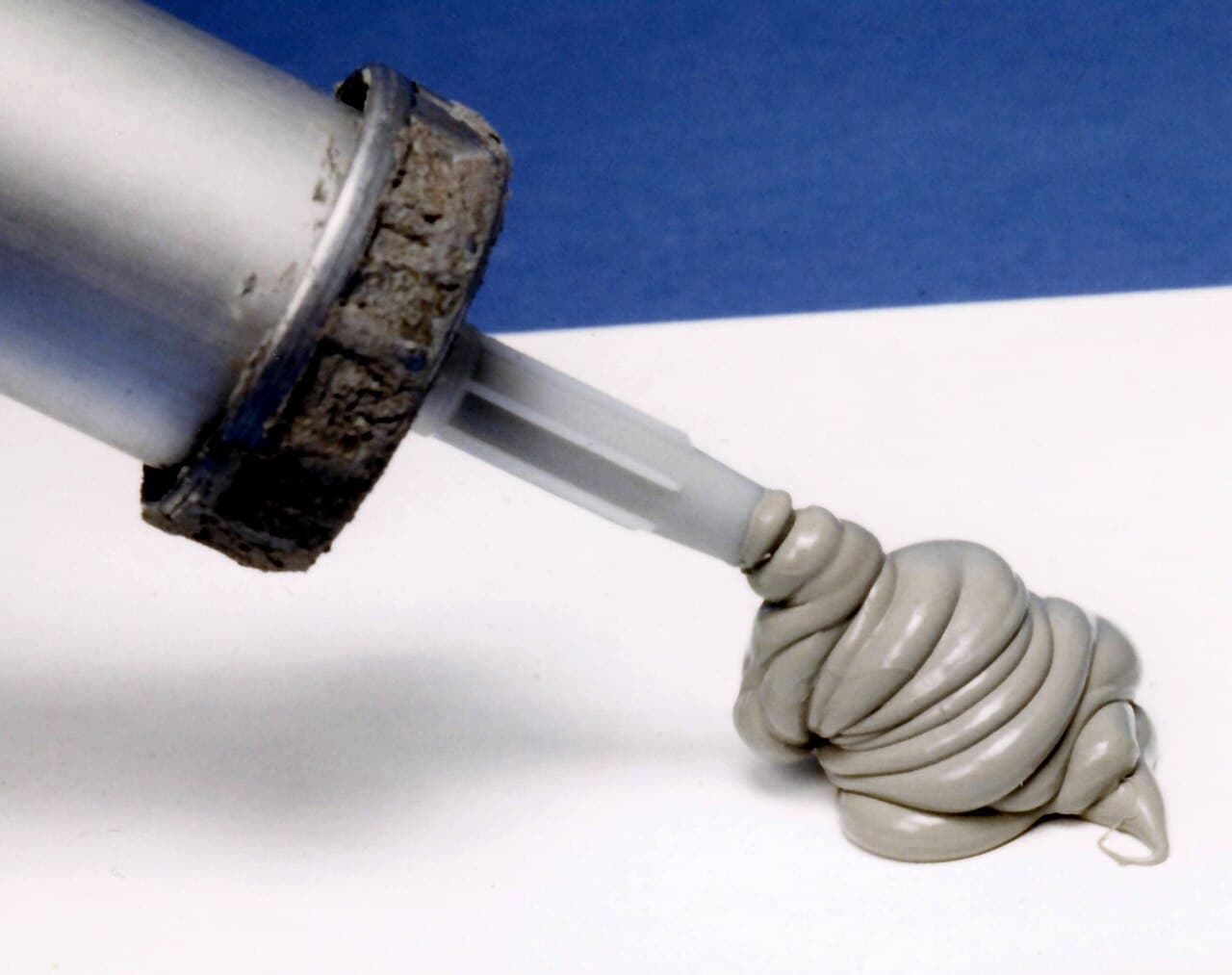
Caulk varies more: Virginia Cooperative Extension's March 2020 fact sheet found tubes priced from two to fifteen dollars or more,[1] and noted that cheaper products may last only a few years, while premium-priced caulks are normally designed to last 20 years or more.[1] Add a caulk gun, a utility knife and, for gaps too wide for caulk, a can or two of spray foam. See how to weatherstrip a drafty door for the door job.
Hiring it out: what drives the price
A contractor's price for whole-house air sealing comes down to how much leakage there is, where it is, and how hard it is to reach. The main cost drivers:
- Where the leaks are. The big ones are usually in the attic floor, dropped soffits and knee walls, the basement rim joist, and pipe, wire and flue penetrations.[7] A roomy attic is quicker to work in than a low one packed with insulation that has to be moved and replaced.
- The age of the house. Older homes with balloon framing, where wall cavities run open to the attic,[7] need more blocking and sealing than newer ones.
- Special materials. Gaps around flues and chimneys need high-temperature caulk or metal flashing,[7] and recessed lights may need covers or replacement.
- Lead-safe work. Anyone paid to do work that disturbs paint in a home built before 1978 must be certified in lead-safe work practices,[12] which adds time when old caulk and trim come off.
- Testing and ventilation. A blower door test, combustion safety testing of gas or oil appliances, and sometimes a ventilation fan if the house ends up tight. The handbook advises having the technician measure the leakage again after the work[7] to prove the result.
Price comparisons only work on the same scope. Ask each contractor to put the locations, the materials, the before and after blower door readings, and the safety testing in the written quote.
Free weatherization for eligible households
The state's Weatherization Assistance Program, run by DHCD through local nonprofit providers, includes sealing air leaks with insulation, caulking, or weather-stripping.[2] DHCD says the work is provided at no cost to an approved income eligible household,[2] for homeowners and renters alike, though there may be a waiting list[2] in your area. Apply through the provider for the county where the home is.
Dominion Energy customers can also ask about the Income and Age Qualifying Energy Savings Program, which offers no-cost in-home energy assessments and installation of measures including air sealing and duct sealing.[3] When we checked on October 26, 2026, its income limit at 60% of state median income was $86,109 for a household of four,[3] with a higher limit for customers 60 and older.
Appalachian Power customers have a similar option. When we checked on October 27, 2026, its Low Income Weatherization Program provides no-cost weatherization products and services to residential customers in need, to supplement the state and federal income qualified weatherization programs.[10] To qualify, Appalachian Power must supply the home, the electric bill is in your name, and the household total annual income is at or below 60% of the state median income.[10]
Dominion rebates after an audit
Dominion's Home Energy Evaluation program pays rebates through participating contractors for the measures on its chart. That measures chart, version v0826 as of October 26, 2026, pays air sealing rebates tiered by how much the measured leakage drops: under 20% or 2,000 CFM, 20 to 30% or 2,000 to 3,000 CFM, and more than 30% or 3,000 CFM.[4] Air sealing and insulation rebates require a comprehensive audit by a participating BPI Building Analyst before installation,[4] and the chart notes that rebate amounts are subject to modification without notice.[4] Confirm the current amount with the contractor before you sign.
The federal tax credit is not a factor for new work: the IRS says the credit can be claimed for improvements made through December 31, 2025.[5]
Licence, contract and deposit
Weatherproofing is often handyman work, but the contractor licensing law can still apply. The Code of Virginia says "No person shall engage in, or offer to engage in, contracting work in the Commonwealth unless he has been licensed" under the contractors' chapter,[8] and its smallest class, Class C, covers work where the total value of a single contract or project is over $1,000 but less than $30,000.[9] For bigger jobs, DPOR's consumer guide recommends written bids from several contractors on the same specifications, a written contract, and an initial deposit of no more than 10% of the total price or $1,000, whichever is less.[11] See how much deposit a contractor can ask for.
Stop and call a pro if
- You have gas or oil appliances and plan to seal more than a few doors and windows; get them tested for safe venting first.
- The attic has wet insulation, mold, old wiring or recessed lights not rated for insulation contact.
- You want a Dominion rebate, which needs a participating contractor's audit before the work.
- The leaks are around a chimney or flue.
To decide what to hand off, read whether hiring someone to weatherproof is worth it and where the biggest air leaks are. You can browse energy audits, handymen around Blacksburg and the other handyman answers. For a written price, describe the job once and licensed local businesses quote it.
Common questions
- Is weatherproofing worth the money?
- Usually, when it targets the right leaks. ENERGY STAR estimates that air sealing plus insulation in attics, crawl space floors and basements saves an average of 15% on heating and cooling costs. The biggest returns come from the attic and basement leaks, not from caulking around every window.
- Can I still get a federal tax credit for air sealing?
- The IRS page for the Energy Efficient Home Improvement Credit says it can be claimed for improvements made through December 31, 2025, so it does not cover work done after that date. For anything about your own return, ask a tax professional.
- Does Appalachian Power offer weatherization rebates?
- For income-qualified customers, yes. When we checked on October 27, 2026, Appalachian Power's Low Income Weatherization Program offered no-cost weatherization to customers whose electric bill is in their name and whose household income is at or below 60% of the state median income. It adds to the state program, which also serves eligible households at no cost through a local nonprofit provider.
- What makes a weatherproofing quote expensive?
- Hard-to-reach attics, older houses with open wall cavities, many recessed lights, work around flues and chimneys, lead-safe practices on pre-1978 painted trim, and added ventilation when the house ends up tight all add labor or materials. A quote based on a blower door test shows where the money goes.
- How much does an energy audit cost in Virginia?
- Prices vary by contractor and by how detailed the audit is, so ask for the fee in writing. Dominion's air sealing and insulation rebates need a comprehensive audit by a participating contractor before the work, and the state weatherization program includes the audit at no cost for eligible households.
Sources
- [1] ENERGY SERIES: What about Caulking and Weather-Stripping? (2908-9017), Virginia Cooperative Extension, Virginia Tech. Checked October 26, 2026.
- [2] Weatherization Assistance Program FAQ, Virginia Department of Housing and Community Development. Checked October 26, 2026.
- [3] Save Energy: Income and Age Qualifying Energy Savings Program, Dominion Energy Virginia. Checked October 26, 2026.
- [4] Home Energy Evaluation Program measures chart (v0826), Dominion Energy Virginia. Checked October 26, 2026.
- [5] Energy Efficient Home Improvement Credit, Internal Revenue Service. Checked October 26, 2026.
- [6] Why Seal and Insulate?, ENERGY STAR, U.S. Environmental Protection Agency. Checked October 26, 2026.
- [7] Virginia Energy Savers Handbook, third edition (2006), Virginia Tech and the Virginia Department of Mines, Minerals and Energy. Checked October 26, 2026.
- [8] Va. Code § 54.1-1103, Necessity for license, Code of Virginia, Virginia General Assembly. Checked October 27, 2026.
- [9] Va. Code § 54.1-1100, Definitions, Code of Virginia, Virginia General Assembly. Checked October 26, 2026.
- [10] TakeCharge VA: Low Income Weatherization Program, Appalachian Power. Checked October 27, 2026.
- [11] What You Should Know Before You Hire a Contractor, Virginia Board for Contractors, DPOR. Checked October 26, 2026.
- [12] Lead Renovation, Repair and Painting Program, U.S. Environmental Protection Agency. Checked October 26, 2026.
Want a pro to handle it?
Describe the job once. Licensed local businesses send quotes, and you pay only when you book one.
Get a quote from a local pro