Why is my carpet rippling?
Wall-to-wall carpet ripples when it has gone slack on its tack strips. High heat and humidity may cause it. If the ripples stay through normal humidity, the carpet needs a professional restretch with a power stretcher, not a knee-kicker. A new carpet that ripples after installation is a call to the installer.
Free to ask. Local shops send quotes, and you pay only when you book one.
By Kasra Taheri, Founder, LoclisPublished
Researched and drafted with AI, then checked claim by claim against the sources listed below before it was published. Prices and rules change; the dates beside each source say when it was last checked.
Step by step
Read when to stop and call a pro, further down this page, before you start.
Step 1: Note when the ripples appear
Watch whether they show up in muggy weather and ease in dry weather, or stay all year. High heat and humidity can cause rippling, so a seasonal pattern may point to the air.[1]
Step 2: Photograph the ripples
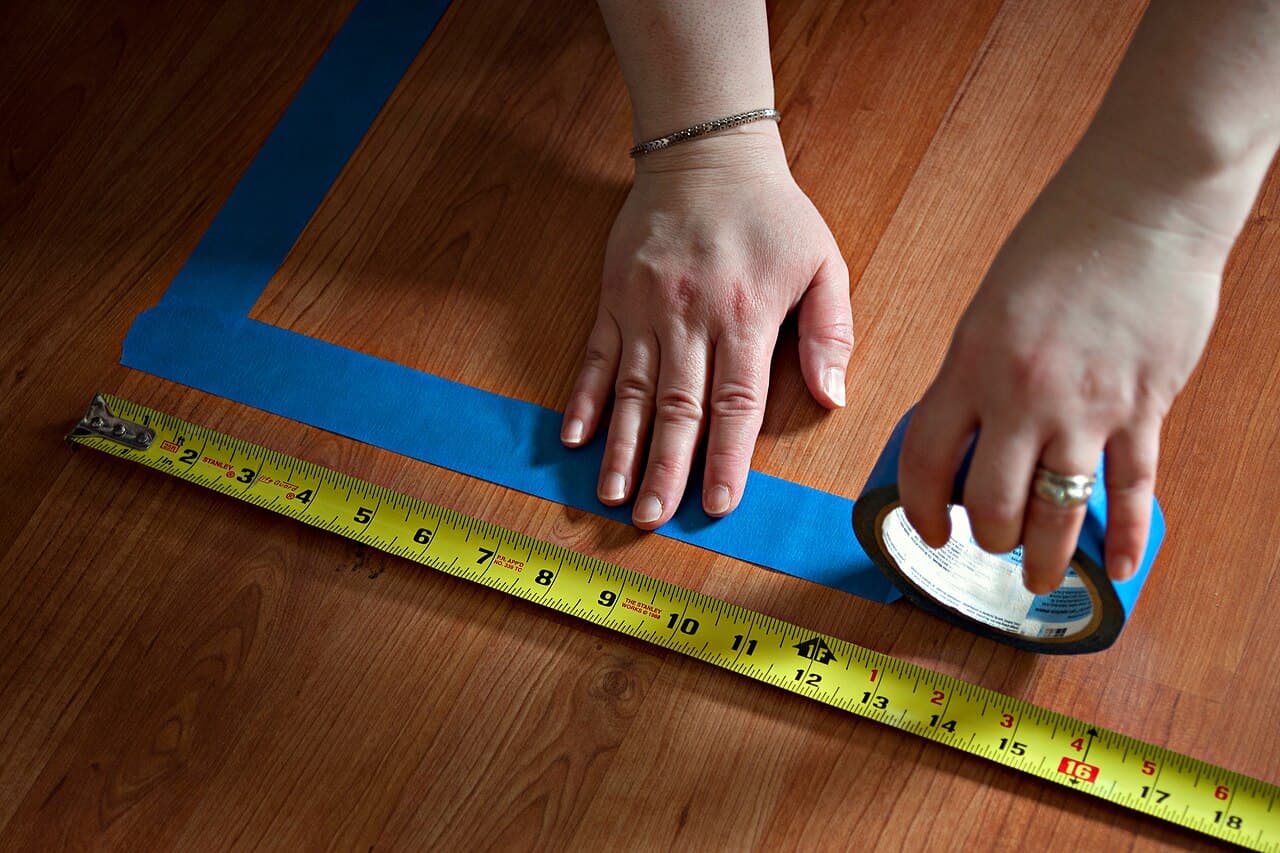
Take dated photos of each rippled area, with a tape measure beside the worst one, so you can show the installer or retailer exactly what you see and when.
Step 3: Lower the humidity
Run the air conditioning, or a plug-in dehumidifier, in the room for a few days and see whether the ripples flatten. Humidity is only a possible cause, so do not expect it to fix every case.
Step 4: Check the edges and thresholds
Look along the walls, doorways and any seams for carpet that has pulled loose or for a gap where the edge should be held down. Note it for the installer, and do not try to refasten it yourself.
Step 5: Leave the stretching to a pro
If the carpet is still rippled in normal humidity, have a professional restretch it with a power stretcher, not a knee-kicker.[1]
Step 6: Call the installer first on new carpet
If the carpet is recently installed, contact the installer or retailer and ask for the work to be corrected before paying anyone else, since proper power-stretching is part of the installation.[2]
It usually means the carpet has gone slack
Ripples are waves in wall-to-wall carpet that appear when it is no longer held tight. In wall-to-wall carpeting, high heat and humidity may cause rippling.[1] That is the first thing to rule out, especially if the waves showed up in summer or after a damp spell.
The second cause is the original stretch. Installers join the seams, and the carpet is stretched and secured to the tack strips around the perimeter of the room.[2] Proper power-stretching is critical to ensure optimal performance of your carpet and to maintain warranty coverage.[2] If ripples or wrinkling occur after installation be sure to call your retailer/installer; they may need to re-stretch the carpet which will require that the furniture be removed from the room.[2]
Work out which one you have
Start with timing. Ripples that appear in muggy weather and ease in dry weather suggest humidity. Ripples that arrived soon after installation, or that never move, are a reason to call the installer.
Look at where they are. Waves running across a whole room from one wall to the other point to a carpet that was not pulled tight enough. A single bump near a doorway can be a loose edge or a threshold strip that has shifted. Ripples under a window or over a spot that is damp to the touch are a different problem: check for a leak or condensation before anything else.
What you can do yourself
You can do the cheap things safely:
- Note the pattern and take dated photos.
- Bring the room's humidity down with the air conditioning or a plug-in dehumidifier for a few days and see whether the carpet relaxes.
- Make a note of any loose edge or seam.
That is the limit of the do-it-yourself route. If the carpet remains rippled during normal humidity, have a professional restretch the carpet with a power stretcher, not with a knee-kicker.[1] Fixing it properly means pulling the carpet tight again and re-securing it, which takes a power stretcher and the know-how to use it without pulling a seam apart.
If the carpet is new
Call the installer or retailer first. Part of the job is to inspect the subfloor and make necessary repairs and to install the tack strip,[2] then to stretch the carpet. If the work is not holding, you want the original contractor to come back and correct it before you pay anyone else.
Have your written quote or contract, the installation date and your photos ready. Ask them to restretch the whole room, not only the worst patch, and to tell you in writing what they will do if the ripples return. Our guide to what a carpet installation quote should include lists the items worth having in writing, and how to measure a room for carpet explains the layout and seam decisions that affect how well a carpet holds.
If the carpet is old
An old carpet can be restretched too, if the backing is sound. A restretch brings back the flat surface, but it does not renew worn pile or a failing pad. If the carpet is also matted or the cushion has compressed, ask the installer whether a restretch is worth the money or whether replacement is the better use of it, and compare with how much carpet installation costs in Virginia.
Stop and call a pro if
- The carpet is damp, smells musty or ripples near a leak. Find and fix the water first; stretching wet carpet only hides the problem.
- The ripples return within weeks of a restretch. Something else is wrong, such as a poorly fastened tack strip or an uneven subfloor, and the installer should look at it.
- A seam has opened or an edge has pulled off the tack strip. Do not refasten it yourself; that needs the stretching tools.
- The carpet is on stairs. Stair carpet is wrapped tightly over each tread and is for the installer.
- You feel a soft or spongy floor under the ripple. That is a subfloor problem, not a carpet one.
Getting help in Virginia
Loclis lists licensed flooring contractors you can compare. Browse flooring pros, read more flooring answers, and when you are ready, describe your carpet problem once and local installers quote it.
Common questions
- Will rippled carpet flatten on its own?
- Possibly. High heat and humidity may cause rippling in wall-to-wall carpet, so ripples that appear in a muggy spell are worth watching as the air dries. If they are still there in normal humidity, the carpet needs a professional restretch.
- Can I stretch the carpet myself with a knee-kicker?
- The manufacturer's care booklet says a professional should restretch it with a power stretcher, not with a knee-kicker. Hire someone with a power stretcher.
- Does a restretch cost a lot?
- Pricing varies with the number of rooms, the access and the installer's minimum call-out fee, and a source we can date for Virginia is not available, so ask for a written quote that names the rooms, the equipment and what happens if the ripples return. Our guide to what a carpet quote should include covers the wording.
- My carpet rippled a few weeks after it was installed. Who pays?
- Start with the installer or retailer. The manufacturer describes proper power-stretching as critical to the carpet's performance and to maintaining warranty coverage, so a new carpet that goes slack soon after installation is a workmanship question to raise first, with your dated photos and the written quote or contract.
- Is rippling a sign of water damage?
- It can be if the carpet is also damp, smells musty or the ripples sit under a leak. The manufacturer lists high heat and humidity as a possible cause, but wet carpet is a separate problem and the cause of the water needs finding before anyone restretches anything.
Sources
- [1] Limited Warranties: STAINMASTER Carpet (warranty and carpet care booklet), INVISTA, STAINMASTER. Checked October 27, 2026.
- [2] Carpet Installation Planning, Shaw Floors. Checked October 27, 2026.
Want a pro to handle it?
Describe the job once. Licensed local businesses send quotes, and you pay only when you book one.
Get a quote from a local pro