Do I need a chimney inspection when buying a house?
Virginia does not require one, but you should get one if the house has a fireplace, stove or chimney-vented appliance. The seller's disclosure statement makes no promise about the property's condition and tells buyers to do their own due diligence before settlement. Order a chimney inspection that includes the roof, attic and a camera scan of every flue.
Free to ask. Local shops send quotes, and you pay only when you book one.
By Kasra Taheri, Founder, LoclisPublished
Researched and drafted with AI, then checked claim by claim against the sources listed below before it was published. Prices and rules change; the dates beside each source say when it was last checked.
This is a job for a licensed pro in Virginia
This page explains what the work involves, the permits, what a licensed pro does and what drives the cost. It does not give step-by-step instructions, because this work needs a licence, a permit or both, and doing it wrong can injure someone. Before you hire, check the licence on Virginia's DPOR record.
Yes, if the house has a fireplace, a wood stove or any appliance that vents through a chimney, a chimney inspection is worth ordering before you close. Virginia does not make you buy one, but the seller is not promising the chimney is sound, and a chimney is hard to judge without getting up on the roof and into the flue.
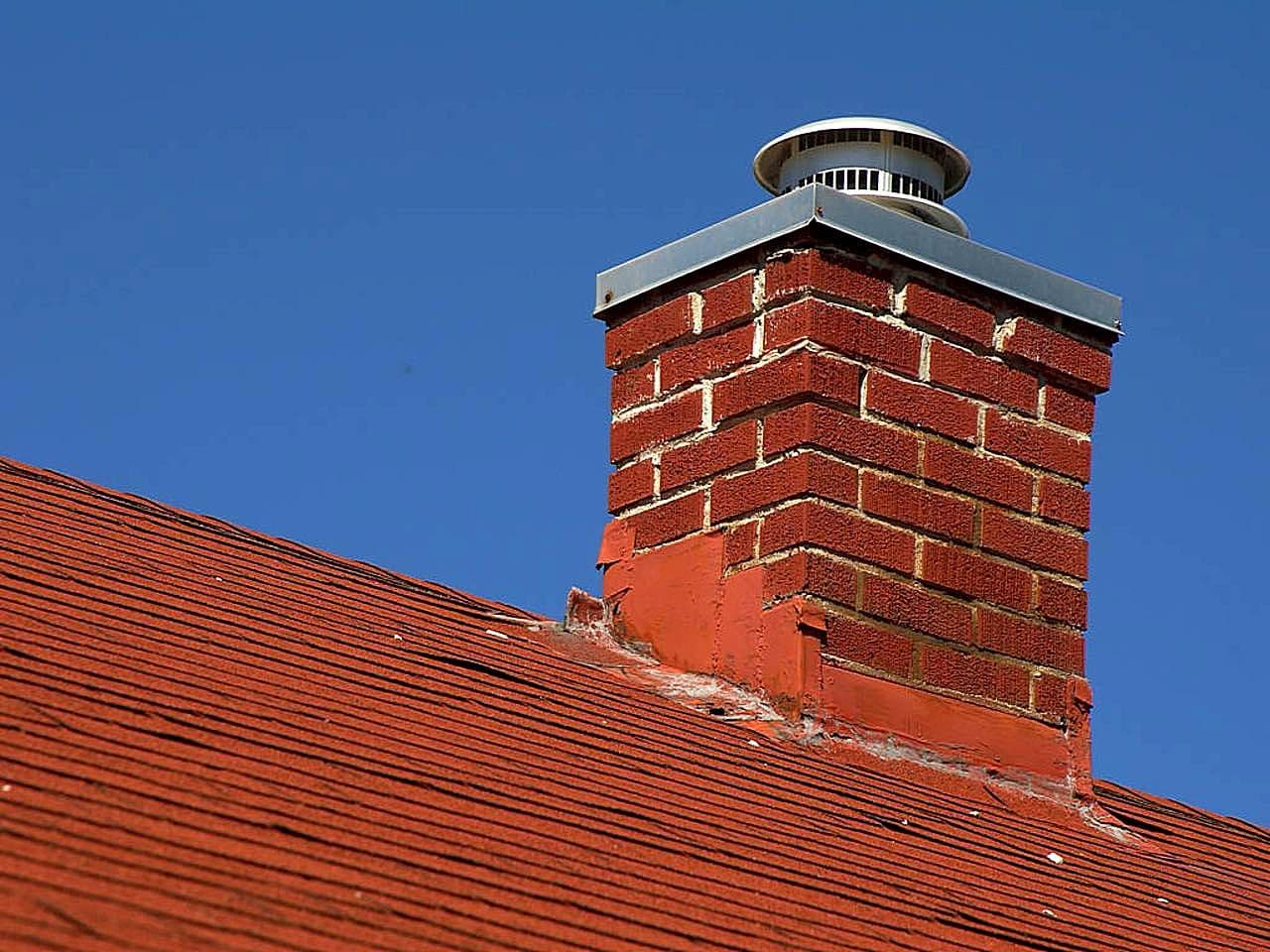
Why the seller's word is not enough
In Virginia the buyer does the checking. The state's Residential Property Disclosure Act has the seller hand you a disclosure statement that says "The owner makes no representations or warranties as to the condition of the real property or any improvements thereon".[3] The same statement tells buyers they are "advised to exercise whatever due diligence a particular purchaser deems necessary, including obtaining a home inspection", and to do it in accordance with the terms of the purchase contract, but in any event prior to settlement.[3]
A chimney is exactly the kind of component that hides its problems. Cracked flue liners, missing firestopping, buildup inside the flue and water damage around the crown or flashing cannot be judged from the living room. Fixing them after you own the house is your cost.
What to ask for
A thorough pre-purchase chimney inspection goes further than a look from the fireplace:
- the inspector goes on the roof and checks the chimney from the top
- the chimney is checked where it passes through attics, basements and crawl spaces
- a camera scan covers the inside of every flue, with each connected appliance checked
A general home inspection may mention the fireplace, but it is a separate service from a chimney inspection. Ask your home inspector exactly what the report covers. If it does not include a camera look up the flue and an inspection from the roof, order a full inspection from a chimney company. What a chimney inspection costs in Virginia explains how to compare quotes.
When to schedule it
Put the inspection into your contract timeline. The disclosure statement points buyers to do their due diligence in accordance with the terms of the purchase contract and before settlement,[3] so ask your agent how your contract handles inspection and repair requests, and book the chimney visit early enough to use the result. Chimney companies get busy in the fall.
If you can, ask the sellers for any sweeping and inspection reports. A written report from the last visit tells you what was found and what was recommended.
What to do with the results
- Clean report. Sweep it if the report recommends it and enjoy your first fire.
- Repairs needed. Get written quotes and ask the seller for a repair, a credit or a price reduction through your agent, according to your contract.
- Serious defects. A damaged liner or other problem means the fireplace should not be used until it is fixed. The U.S. Fire Administration's advice is to have heating equipment and chimneys cleaned and inspected each year by a professional,[2] so plan on a yearly visit once you move in.
Do not light the first fire in a house you have just bought until you know the chimney has been checked.
When to call a licensed pro
Inspecting a chimney means roof access, disconnecting appliances and reading camera images, so hire a qualified chimney professional rather than checking it yourself; what certifications a chimney sweep should have explains what to look for. If the inspection leads to repairs, the Board for Contractors' consumer guide says "a valid Virginia Contractor’s License is required for the license category in which the contractor is to work".[1] Check the licence before you sign, and see what a chimney sweep does for what a routine visit includes.
Loclis lists DPOR-licensed businesses with their licence number and class. Browse chimney services, read more chimney and fireplace answers, or describe your chimney once and local chimney businesses quote the inspection.
Common questions
- Is a chimney inspection required when buying a house in Virginia?
- No law we found requires one. Virginia's disclosure statement says the owner makes no representations or warranties as to the condition of the property and advises buyers to do their own due diligence before settlement, which is why buyers order inspections.
- What should a buyer's chimney inspection include?
- Ask for roof access, a look at the chimney in the attic, basement and crawl space, and a camera scan of every flue, along with each connected appliance. Have the company say in writing what it did and did not reach.
- Does a regular home inspection cover the chimney?
- Not necessarily in depth. Ask your home inspector what the report includes for the fireplace and chimney. If it does not cover a camera look up the flue and an inspection from the roof, book a chimney professional for a full inspection.
- Who pays for the chimney inspection, the buyer or the seller?
- Usually whoever orders it. Buyers typically order and pay for their own inspections. Repairs the inspection turns up can be negotiated with the seller through your agent under the terms of your contract.
- Can I skip the inspection if the house has a gas fireplace?
- Not safely. A gas flue is still a chimney, and it can be blocked or damaged. Ask for the inspection to include every flue and connected appliance.
- What if the inspection finds problems after I have closed?
- Then the repair is yours, which is the reason to inspect before settlement. Get written quotes from licensed contractors and avoid using the fireplace until the problem is fixed.
Sources
- [1] What You Should Know Before You Hire a Contractor, Virginia Board for Contractors, DPOR. Checked October 27, 2026.
- [2] Heating fire safety outreach materials, U.S. Fire Administration (FEMA). Checked October 27, 2026.
- [3] Code of Virginia § 55.1-703. Required disclosures for buyer to beware; buyer to exercise necessary due diligence, Code of Virginia. Checked October 27, 2026.
Want a pro to handle it?
Describe the job once. Licensed local businesses send quotes, and you pay only when you book one.
Get a quote from a local pro