Do interior designers need a license in Virginia?
No. Virginia does not require a licence to do interior design work, but only someone the state Board has certified may call themselves a "certified interior designer". Certification takes an accredited four-year degree, two years of monitored experience and an exam. Anyone who manages construction, repair or improvement work for a fee needs a contractor's licence.
Free to ask. Local shops send quotes, and you pay only when you book one.
By Kasra Taheri, Founder, LoclisPublished
Researched and drafted with AI, then checked claim by claim against the sources listed below before it was published. Prices and rules change; the dates beside each source say when it was last checked.
Step by step
Read when to stop and call a pro, further down this page, before you start.
Step 1: Decide what you are hiring for
Separate choosing furniture, colours and layouts from any building work such as moving walls, plumbing or wiring.
Step 2: Ask about certification
If a designer uses the title certified interior designer, ask for their Board certificate details and check them with the Board.
Step 3: Ask who does the construction
If any building work is involved, ask which licensed contractor will do it and what their licence number is.[6]
Step 4: Check each licence with DPOR
Confirm every licence number on the DPOR website or by calling the Board for Contractors, because a number on a business card does not prove a valid licence.[6]
Step 5: Compare written bids
Get at least three written bids based on the same plans and specifications.[6]
Step 6: Get it in writing
Sign only a written agreement that states the scope, price, payment schedule and start and finish dates.[6]
The short version
Virginia does not require interior designers to hold a licence. The Code of Virginia says its interior design chapter does not restrict an uncertified interior designer, architect, engineer or any other person from rendering the services that make up the practice of interior design.[1] Anyone can offer to pick your colours, plan your furniture layout or choose lighting.
What the state does protect is a title. No person may hold himself out as, or use the title of, "certified interior designer" unless he has been so certified.[1] And the moment the work becomes construction, a different licence applies.
What "certified interior designer" means
Certification is run by the Board for Architects, Professional Engineers, Land Surveyors, Certified Interior Designers and Landscape Architects.[3] For certified interior designers, the Code defines interior design as services that apply the principles and methodology of interior design to problems of the function and quality of the interior environment, including preparing documents for nonload-bearing interior construction, furnishings, fixtures and equipment.[3]
To earn the title, the Board must certify a person who graduated from a minimum four-year professional degree program accredited by the Foundation for Interior Design Education Research, an equivalent accrediting organization or a professional program the Board approves, who has two years of monitored experience in interior design services, and who has passed the examination for certification.[2]
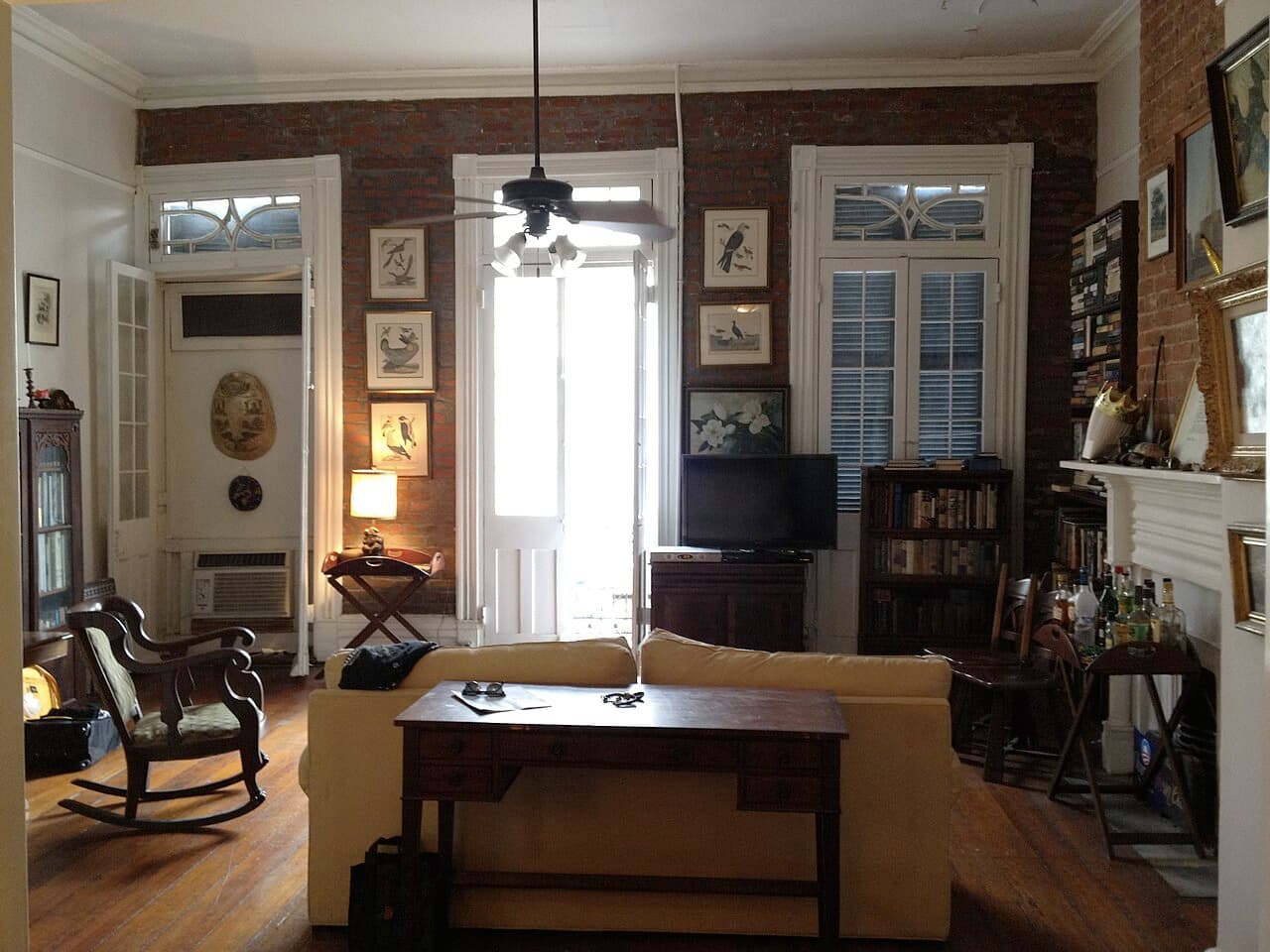
Certification tells you a designer has met those education and experience standards. It does not tell you the designer is a good fit. A designer without the title can be excellent, and a certified one can be wrong for your taste, so look at portfolios and talk to past clients either way.
When a licence is required: the building work
Design advice is unlicensed. Building work is not. No person shall engage in, or offer to engage in, contracting work in the Commonwealth unless he has been licensed.[4] The Code defines a contractor as a person who, for a fixed price, commission, fee or percentage, bids on, accepts or offers to accept contracts for performing, managing or superintending the construction, removal, repair or improvement of a building or structure.[5]
So a designer who only specifies finishes and furniture needs no contractor's licence. A designer, or a design-build firm, that takes your money to manage a kitchen gut, move a wall or run the trades is acting as a contractor. Contractor licensing has dollar thresholds: Class C contractor licensing covers single contracts over $1,000 but less than $30,000.[5] The Code also says the Board requires a master tradesmen license as a condition of Class C licensure for electrical, plumbing, and heating, ventilation, and air conditioning contractors.[5]
DPOR's guide says unlicensed contracting is against the law and that, if you contract with someone who does not hold a license, the Board for Contractors may not be able to help you resolve a complaint.[6]
How to check before you sign
Ask for licence numbers, and verify them. A license number in an advertisement or on a business card does not necessarily mean the contractor's license is valid.[6] You can check on the DPOR website or call the Board.
Get the paperwork in order. DPOR advises getting at least three written bids or estimates using identical plans and specifications.[6] For building work, Virginia law requires all licensed contractors to provide a written contract for residential work.[6] Use the same habit for a design agreement alone: write down the scope, what you will receive, the fee structure and what happens if you change your mind.
Stop and call a pro if
- The designer wants to move a wall, a plumbing fixture or wiring. If the designer is arranging or managing it for a fee, that is contracting work.[5] Ask who the licensed contractor is and check the number.
- Someone offers to manage the whole project but has no contractor licence number to give. That is a reason to stop, not to negotiate.
- The plan changes the structure of the house. Ask your local building office what plans and permit it requires before anyone starts, and do not leave it to a decorator.
Getting help in Virginia
To see what you might spend, read how much an interior designer costs in Virginia. If you want to try the changes yourself first, see how to make a small room look bigger. Browse interior design pros on Loclis or more interiors answers.
When you are ready, describe your project and licensed local pros can quote it.
Common questions
- Can someone call themselves an interior designer without a license in Virginia?
- Yes. The Code of Virginia says its interior design chapter does not restrict an uncertified interior designer, architect, engineer or any other person from rendering the services that make up the practice of interior design. What is protected is the title "certified interior designer", which only someone certified by the Board may use.
- What does it take to become a certified interior designer in Virginia?
- A minimum four-year professional degree from an accredited program (the Code names the Foundation for Interior Design Education Research, an equivalent accreditor or a program the Board approves), two years of monitored experience in interior design services, and a pass on the certification examination. The Board may also accept satisfactory evidence of certification from another state if the qualifications are equal.
- Does my designer need a contractor's license?
- Not for choosing finishes and furniture. But a person who, for a fee, accepts or offers to accept a contract for performing, managing or superintending the construction, removal, repair or improvement of a building is a contractor under the Code, and no person may engage in or offer contracting work in Virginia without a license. If your designer also runs the building work, ask for their contractor licence number, or ask who the licensed contractor is.
- Can a designer draw up plans for moving walls?
- The Code describes a certified interior designer's documents as covering nonload-bearing interior construction, furnishings, fixtures and equipment. The building work itself is for a licensed contractor. For anything structural, ask your local building office what plans a permit application needs and who must prepare them.
- What can I do if a designer's work goes wrong?
- It depends who did what. For licensed work, DPOR's guide says information on past complaints and disciplinary actions is available from the Board, and that the Board for Contractors may not be able to help with a complaint about an unlicensed contractor. So the written agreement matters: it is your record of what was promised.
Sources
- [1] Va. Code § 54.1-412. Applicability (interior designers), Code of Virginia, Virginia General Assembly. Checked October 27, 2026.
- [2] Va. Code § 54.1-414. Issuance of certification; waiver of examination, Code of Virginia, Virginia General Assembly. Checked October 27, 2026.
- [3] Va. Code § 54.1-400. Definitions, Code of Virginia, Virginia General Assembly. Checked October 27, 2026.
- [4] Va. Code § 54.1-1103. Necessity for license, Code of Virginia, Virginia General Assembly. Checked October 27, 2026.
- [5] Va. Code § 54.1-1100. Definitions (contractors), Code of Virginia, Virginia General Assembly. Checked October 27, 2026.
- [6] What You Should Know Before You Hire a Contractor, Virginia Board for Contractors, DPOR. Checked October 27, 2026.
Want a pro to handle it?
Describe the job once. Licensed local businesses send quotes, and you pay only when you book one.
Get a quote from a local pro