How often should I update my home's decor?
There is no fixed schedule. Refresh by wear and by how the room works for you: repaint when walls are scuffed or stained, swap small things such as pillows, throws, art and lamp shades every season or two, and replace big pieces only when they fail or no longer fit. Seasonal, low-cost changes keep a home current without a full redo.
Free to ask. Local shops send quotes, and you pay only when you book one.
By Kasra Taheri, Founder, LoclisPublished
Researched and drafted with AI, then checked claim by claim against the sources listed below before it was published. Prices and rules change; the dates beside each source say when it was last checked.
Step by step
Read when to stop and call a pro, further down this page, before you start.
Step 1: Walk each room once a year
Look for scuffed walls, faded fabric, worn rugs and anything you no longer use.
Step 2: Fix wear first
Repaint stained or scuffed walls in a finish that suits the room's traffic.[1] Clean or replace what is worn out.
Step 3: Refresh small items seasonally
Swap cushion covers, throws, art, candles and plants to change the feel without spending much.
Step 4: Check the lighting
Replace mismatched or failing bulbs with the same colour range.[2]
Step 5: Edit before you buy
Remove what you do not use, then see what the room still needs.
Step 6: Plan big pieces by need
Replace sofas, rugs and large furniture when they wear out or stop fitting your life, not on a calendar.
Update on need, not on a calendar
There is no right interval. A home does not expire. The practical rule is to fix what is worn out as it wears, refresh small things once or twice a year, and replace large pieces only when they stop working for you. A room that is clean, well lit and uncluttered looks current for a long time, whatever the trend.
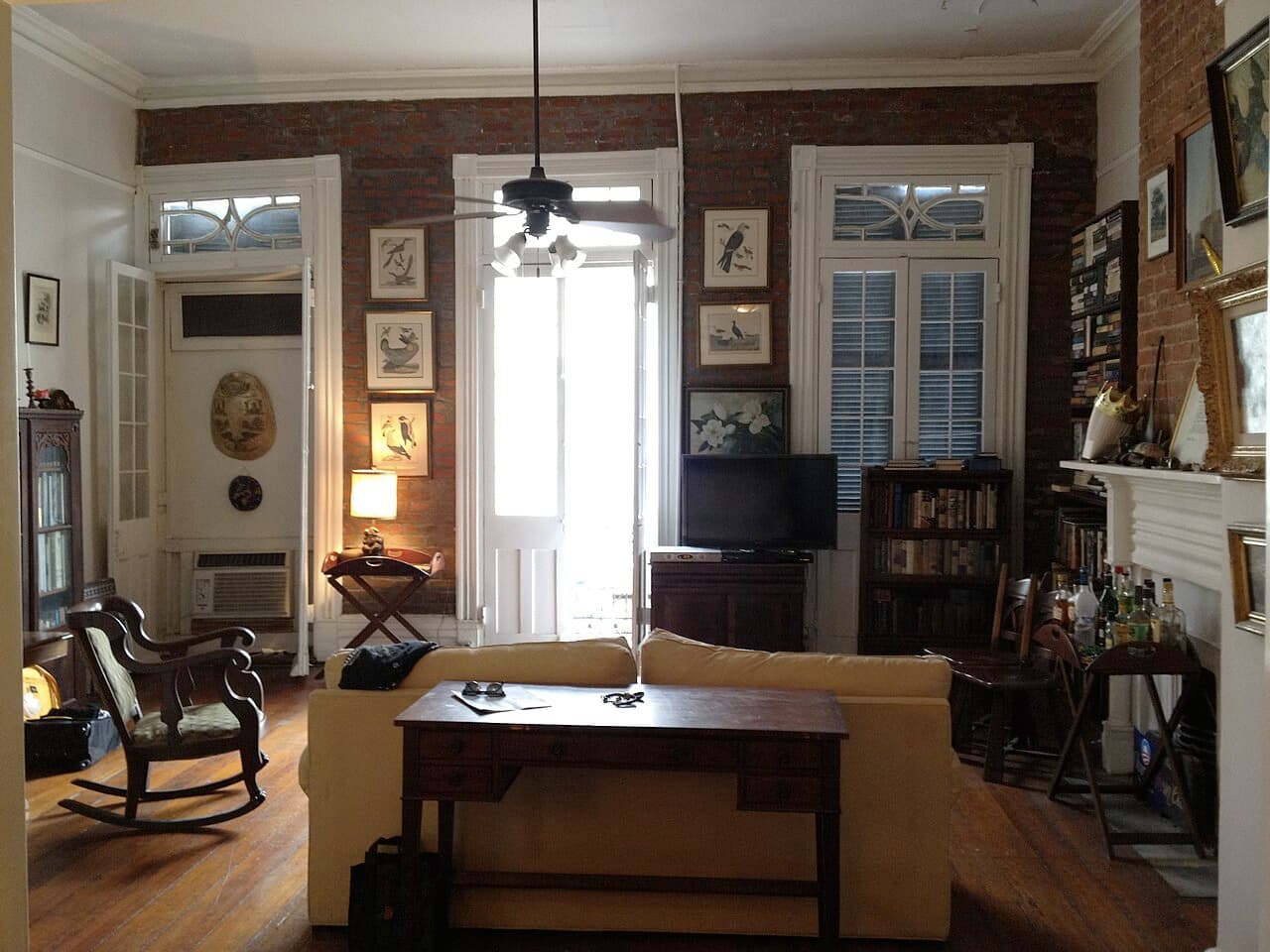
A rough rhythm that works
Each season or two: small things. Swap cushion covers and throws, rotate art and books, bring in plants, change the candles. These cost little and are easy to reverse if you tire of them.
Once a year: a walk-through. Go room by room and note scuffed walls, faded curtains, worn rug edges, lamps with mismatched bulbs and anything you stopped using. Donate or store what you no longer use before you buy more.
When something fails: the bigger pieces. Sofas, rugs, mattresses and tables are worth replacing when they sag, stain or stop fitting how you live, not because a year has passed. If a piece is sound but dated, new cushions or a slipcover can change it first.
Paint is the update with the most effect
Walls show wear first. Pick the finish for the traffic. Flat paint does not reflect light and is more forgiving of flaws, but stains are harder to remove from low-sheen paint.[1] Eggshell is a low-sheen finish that is easy to clean and suits most areas of a home, including family rooms and hallways.[1] Satin delivers a higher gloss than eggshell, with better stain resistance and durability than lower sheens.[1] Choosing a more durable finish for hallways and kids' rooms means you repaint because you want to, not because you have to.
Before sanding or scraping an older home, check its age: any renovation, repair or painting project in a pre-1978 home that has lead-based paint can easily create dangerous lead dust.[3]
Keep the lighting up to date
Bulbs are the cheapest update. Lower Kelvin numbers mean the light appears more yellow or "warmer", and higher numbers mean it appears whiter or bluer.[2] When one bulb fails and you replace it with a different colour, the room looks patchy, so match the range across a room. For layering lamps and the overall look, see why a living room can feel off.
Seasonal habits
Heavy curtains and dark throws for winter, lighter fabrics for summer. If you have a ceiling fan, change its direction with the season: in the summer, use the ceiling fan in the counterclockwise direction,[4] and in the winter, reverse the motor and operate the ceiling fan at low speed in the clockwise direction.[4] Use the fan's own reversing switch and do not open the housing.
When to update more than the small things
- You are selling and the rooms look tired or cluttered.
- A room no longer works: a child's room becoming a study, a home office added.
- Furniture is worn beyond cleaning.
- The room is cramped. See how to make a small room look bigger.
Stop and call a pro if
- A refresh turns into structural or electrical work. New fixtures with no existing wiring, moving walls or doorways need an electrician or contractor.
- You plan to sand or scrape paint in a pre-1978 home. Lead dust is the reason to use a lead-safe certified contractor.[3]
- You want a whole-home scheme. A designer can set the plan. See how much an interior designer costs in Virginia and whether interior designers need a licence in Virginia.
Getting help in Virginia
Browse more interiors answers or see interiors services. When you are ready, describe your project and local businesses can send written quotes.
Common questions
- Is there a rule such as redoing a room every five years?
- No. There is no standard interval. Wear and how you use the room are better guides: update a room when it looks tired, works badly or no longer suits you.
- How often should I repaint interior walls?
- When they are scuffed, stained or you want a change. How long that takes depends on traffic and finish. Eggshell is a low-sheen finish that is easy to clean and suits family rooms and hallways,[^bm] while higher sheens such as satin resist stains better.[^bm]
- What is the cheapest way to freshen a room?
- Small, removable things: cushion covers, throws, art, plants and lamp shades. Moving furniture and clearing surfaces costs nothing and often changes a room more than new purchases.
- Do I need to update my decor before selling?
- Not necessarily. Neutral paint, matching bulbs, clean surfaces and less clutter matter more than new furniture. See the staging answers in the interiors category for the selling case.
- When is a designer worth hiring for a refresh?
- When changes are large, such as a whole-house palette, new built-ins or a layout that is not working. See how much an interior designer costs in Virginia before you ask for quotes.
Sources
- [1] How to Choose a Paint Finish, Benjamin Moore. Checked October 27, 2026.
- [2] Light Fixtures (Downlights), ENERGY STAR, U.S. Environmental Protection Agency. Checked October 27, 2026.
- [3] Renovation, Repair and Painting Program: Do-It-Yourselfers, U.S. Environmental Protection Agency. Checked October 27, 2026.
- [4] Ceiling Fan Installation and Usage Tips, ENERGY STAR, U.S. Environmental Protection Agency. Checked October 27, 2026.
Want a pro to handle it?
Describe the job once. Licensed local businesses send quotes, and you pay only when you book one.
Get a quote from a local pro