How much does it cost to fix a dead outlet in Virginia?
We found no dated Virginia price list for dead outlet repair from a primary source, so we give no figure. The bill depends on the cause: a worn receptacle or tripped GFCI is a small job, while a loose connection upstream or a damaged circuit takes time to trace and may need a permit. Get a written quote that separates diagnosis from repair.
Free to ask. Local shops send quotes, and you pay only when you book one.
By Kasra Taheri, Founder, LoclisPublished
Researched and drafted with AI, then checked claim by claim against the sources listed below before it was published. Prices and rules change; the dates beside each source say when it was last checked.
This is a job for a licensed pro in Virginia
This page explains what the work involves, the permits, what a licensed pro does and what drives the cost. It does not give step-by-step instructions, because this work needs a licence, a permit or both, and doing it wrong can injure someone. Before you hire, check the licence on Virginia's DPOR record.
There is no standard Virginia price for fixing a dead outlet, and we did not find a dated, primary-source price list for it, so we give no number. The range runs from a quick visit that resets or replaces one device to a longer job tracing a fault along a circuit. What you pay is set by the cause, the time to find it, parts, and the electrician's minimum and hourly charges.
The sections below explain what moves the price and how to compare two quotes fairly. To find out what you can safely check first, read what to check before calling an electrician about a dead outlet.
What drives the price
The cause. An outlet can be dead because a GFCI elsewhere tripped, because the receptacle has worn out, or because a connection has failed. The CPSC says outlets that do not work properly may indicate an unsafe wiring condition, and that a loose screw holding a wire or a worn out switch can lead to electrical arcing, overheating, or a fire.[4] A single worn receptacle is the cheap end. A loose connection inside a box upstream, or a damaged cable inside a wall, is the expensive end.
A GFCI that needs replacing. For a GFCI, the CPSC's test is to plug in a light, press test and then reset; if the light does not come back on when you press reset, the CPSC says to replace the GFCI.[4] Ask the electrician to itemise the part and the visit separately.
Diagnosis time. Most of the cost in a hard repair is the search. If several outlets are out, the electrician has to work out which device or connection sits upstream of the rest. Ask whether the first visit carries a minimum charge and whether it comes off the repair price.
How many outlets and how reachable. One dead outlet in an open room is quicker than a run of them behind finished walls, a crawlspace or a ceiling. If a cable has to be reached, patching and painting the wall may be extra, so ask who does it.
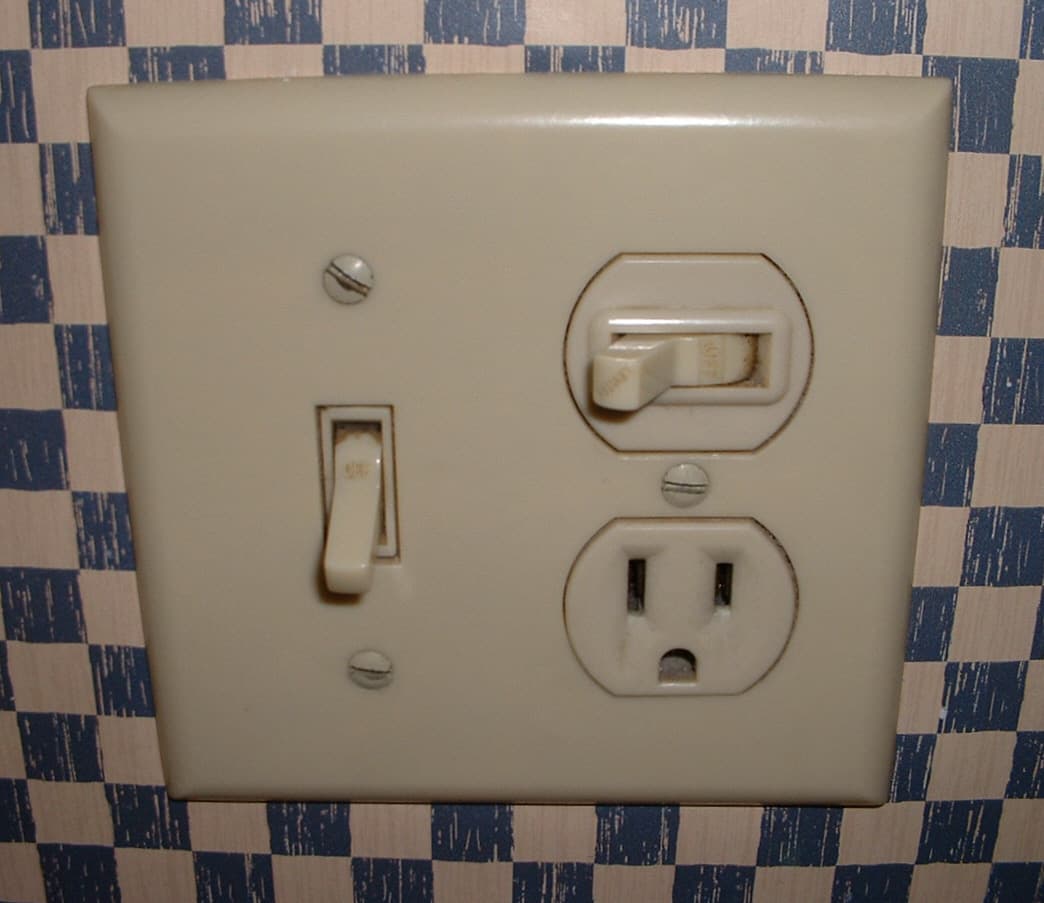
Whether the wiring itself is in question. Replacing a worn receptacle is one job. If the electrician finds scorched or overheated wiring or other damage, the quote changes. Ask for the finding in writing, with photos, before you agree to the larger work.
Permit. Virginia's building code lists replacement of 125 volt, 15 or 20 ampere receptacles in a single dwelling unit among the work that needs no permit,[1] and the exemption does not exempt the work from other applicable requirements of the code.[1] A new or changed circuit is a different matter. Roanoke County lists addition or modification of electric circuits, including new or replacement wiring and over-current devices, among the work that needs a trade permit,[2] and it encourages homeowners to have a licensed electrical, mechanical, plumbing or gas contractor apply for the permits.[2] Other localities have their own fees and rules, so ask the electrician whether a permit applies and who pulls it.
Getting a quote you can compare
Ask each electrician for a written quote that states the diagnosis charge, what the repair covers, parts and labor, any wall repair, whether a permit is needed and who pulls it, and the warranty on the work. Virginia law requires licensed contractors to provide a written contract for residential work,[3] and DPOR says the contract should include the total price, when payments will be made, and whether there is a cancellation penalty.[3] DPOR also suggests an initial deposit of no more than 10% of the total price or $1,000, whichever is less.[3] A small repair often needs no deposit.
If the electrician cannot say what is wrong until walls are opened, ask for a not-to-exceed figure for the search before work starts.
When to call a licensed pro
Hire a licensed electrician for anything beyond plugging a lamp in. DPOR says a valid Virginia Contractor's License is required when the work is valued at $1,000 or more.[3] It also warns that if you contract with someone who does not hold a license, the Board for Contractors may not be able to help you resolve a complaint.[3] Look up the licence before you pay a deposit, using how to check if a contractor is licensed in Virginia.
If an outlet is warm, marked or buzzing, do not wait on a quote: read when to call an electrician for a dead outlet. Compare with what an electrician charges to add an outlet in Virginia, browse electrical services or read more electrical repair answers.
To get a real price for your own outlet, describe the problem once and licensed local electricians quote the repair.
Common questions
- Is there a standard price for fixing a dead outlet?
- Not one we could find from a primary source, so we do not quote a figure. The cause sets the price, from a tripped GFCI to a damaged circuit. Ask for a written quote that separates the diagnosis from the repair.
- Does replacing an outlet need a permit in Virginia?
- Virginia's building code lists replacement of 125 volt, 15 or 20 ampere receptacles in a single dwelling unit among the work that needs no permit. Adding or changing a circuit is different: Roanoke County, for example, lists addition or modification of electric circuits among the work that needs a trade permit.
- Why can finding the problem cost more than fixing it?
- A dead outlet can be caused at the outlet, at another outlet earlier on the circuit, or at a GFCI elsewhere. Tracing which one takes time, and that time is usually what the quote is for.
- How much deposit is reasonable?
- DPOR's guide suggests an initial deposit of no more than 10% of the total price or $1,000, whichever is less. A small repair often needs none.
- Should I hire an unlicensed handyman to save money?
- DPOR warns that if you contract with someone who does not hold a license, the Board for Contractors may not be able to help you resolve a complaint. Electrical work for the public requires a licensed electrician.
Sources
- [1] 13VAC5-63-80, Virginia Uniform Statewide Building Code, Section 108 Application for permit, Virginia Administrative Code, Legislative Information System. Checked October 27, 2026.
- [2] Residential: Electric, Plumbing and Mechanical, Roanoke County, Virginia, Building Safety. Checked October 27, 2026.
- [3] What You Should Know Before You Hire a Contractor, Virginia Board for Contractors, DPOR. Checked October 27, 2026.
- [4] Home Electrical Safety Checklist (Publication 513), U.S. Consumer Product Safety Commission. Checked October 27, 2026.
Want a pro to handle it?
Describe the job once. Licensed local businesses send quotes, and you pay only when you book one.
Get a quote for Electrical Repair